How Iraq’s customs overhaul is reshaping trade and revenue dynamics


Shafaq News
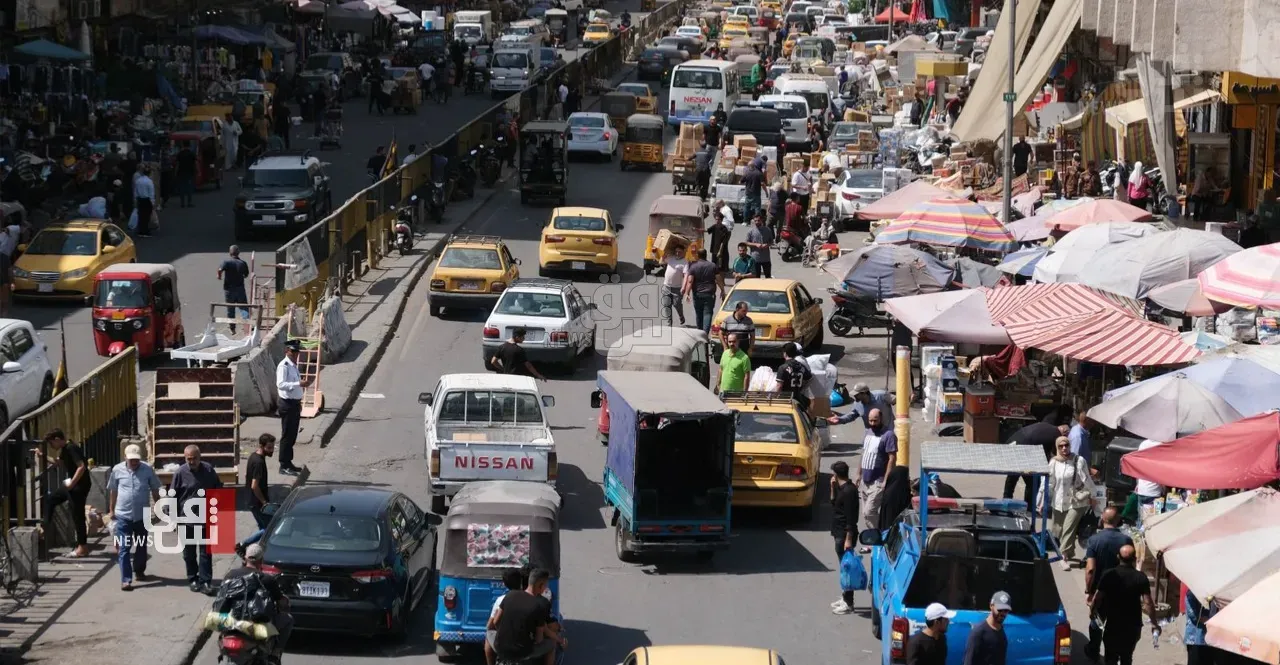
What began with cargo piling up at Iraq’s ports and border crossings is set to escalate into a nationwide confrontation on Sunday, February 8, as traders prepare to shut markets and stage coordinated protests against the government’s newly enforced customs tariffs. The move marks the most serious challenge yet to the tax measures, following weeks of clearance delays, provincial demonstrations, and mounting losses across the import sector, as merchants seek to pressure authorities into suspending or reversing the decision.
Organizers of the protests say traders and importers across several provinces plan to close wholesale and retail markets, halt clearance work at customs outlets, and suspend transport operations for the day. The actions are expected to affect major commercial hubs and border crossings, signaling a shift from localized objections to a coordinated, nationwide escalation.
The planned shutdown follows a gradual buildup of tension over recent weeks. Goods have remained stockpiled at ports and land crossings as clearance slowed sharply, while smaller protests and work stoppages have already taken place in multiple Iraqi provinces. Traders note the decision to escalate was driven by a lack of response to earlier warnings about mounting losses and supply disruptions.
Even before Sunday’s protests, trade flows had begun to falter, with importers reporting that containers have remained uncleared for extended periods, either because traders refused to proceed under sharply higher costs or because administrative bottlenecks clogged customs channels. The resulting congestion has driven up storage fees, transport charges, and delivery times, compounding financial pressure across the sector.
Customs authorities have defended their role in the process, stressing that they are implementing government policy rather than setting it. Thamer Qasim, Director-General of Iraq’s General Authority of Customs, told Shafaq News that the authority is “an executive body” with no mandate to suspend or delay decisions issued by the cabinet. He rejected claims of an unprecedented tariff hike, saying the core change lies in abandoning the long-standing flat-fee clearance system in favor of item-based assessment.
Read more: Explainer: Iraq’s updated customs tariffs, legal dispute, and market impact
According to Qasim, essential commodities remain exempt, while higher rates apply to selected categories such as vehicles, plastics, cleaning products, and electronics, with duties ranging between 10% and 65%. He cited customs revenues of 137 billion dinars (about $104.5M) in January as evidence that activity has continued despite disruptions and trader resistance.
Economists, however, argue that headline revenue figures mask deeper weaknesses. Speaking to Shafaq News, Ali Dadoosh estimated that total customs revenues in 2025 reached roughly 2.5 trillion dinars (around $1.9B), averaging more than 208 billion dinars ($159M) per month. By that measure, January’s intake reflects a shortfall of about 71 billion dinars ($54M), more than 50% below last year’s average.
The gap highlights a disconnect between policy intent and market reality, Dadoosh remarked, warning that higher tariffs combined with slower clearance are reducing throughput, weakening collections, and widening the gap between projected and realized revenues. To limit damage, he urged transitional measures such as capped fees for previously shipped containers, a short pause in enforcement, and a phased rollout.
Similar concerns were raised by economist Nabil Al-Marsoumi, who said in a post on Facebook that the sudden enforcement of new procedures has weighed heavily on commercial activity. Citing official data, he cautioned that the changes have contributed to a sharp decline in Iraq’s trade transactions with the outside world. Al-Marsoumi called for structured dialogue with chambers of commerce, arguing that a sector encompassing more than 350,000 businesses and over one million traders cannot absorb rapid cost escalation without knock-on effects on jobs and supply chains.
Read more: Delayed reform or fiscal shock? Iraq’s tax measures test state capacity
At the center of the dispute is the full rollout of the ASYCUDA customs management system, developed by the United Nations Conference on Trade and Development and used widely around the world. In Iraq, its adoption replaced a flat-fee clearance regime with item-by-item valuation across roughly 16,400 tariff lines, reducing discretion but dramatically increasing procedural demands. Traders say the timing and speed of enforcement, rather than the system itself, triggered the shock.
On the ground, traders describe a steep cost shock. Saeed Bassam, an importer, told our agency that container clearance costs have surged from about 3 million dinars (roughly $2,290) to more than 25 million dinars (around $19,100), describing the conditions at ports and border posts as unsustainable, with trucks stranded for weeks and backlogs expanding daily.
Traders also warn that the losses will not stop at their balance sheets. They note that higher clearance costs, storage fees, and transport delays will inevitably be passed on to consumers, particularly as supply bottlenecks tighten availability. With many goods delayed at entry points, they argue that price increases are already being built into market expectations.
Politically, the tariff enforcement has drawn criticism from lawmakers who view it as a short-term revenue fix with long-term risks. MP Mohammed Al-Khafaji said in a Facebook post that container backlogs are costing Iraq billions of dinars and cautioned that while traders absorb losses initially, the burden ultimately shifts to consumers through higher prices.
As traders prepare for Saturday’s shutdown, their demands remain focused on suspension or revision of the tariff measures and the introduction of transitional arrangements. So far, the government has not announced any rollback or pause, leaving February 8 as a critical test of whether dialogue or disruption will define the next phase of Iraq’s customs overhaul.
Written and edited by Shafaq News staff.