Baghdad markets close as tariff hike fuels trader strike


Shafaq News- Baghdad
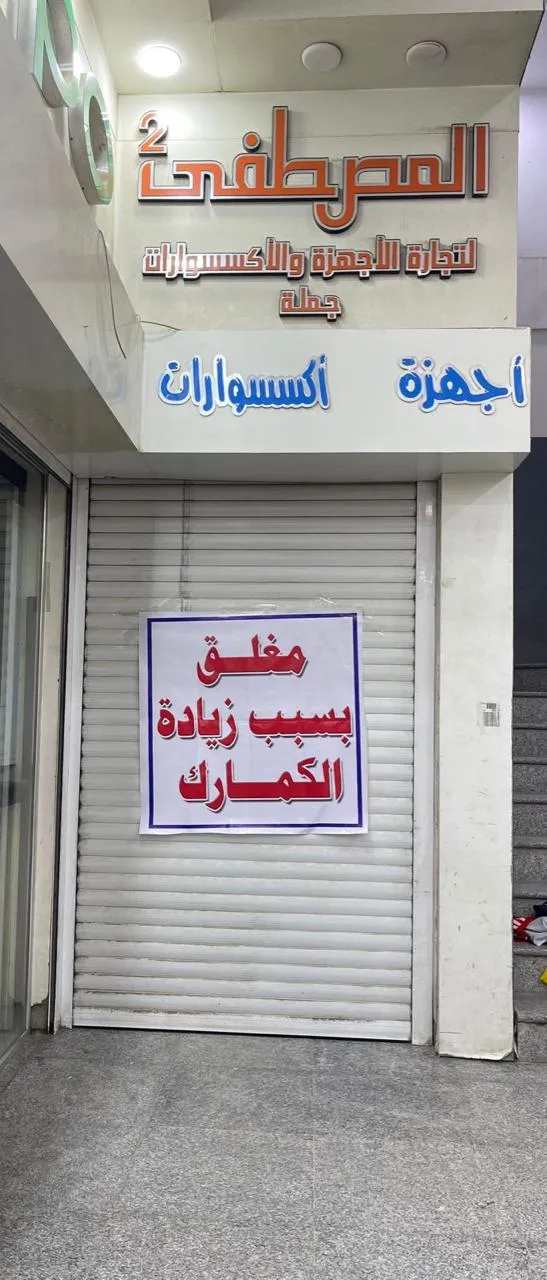
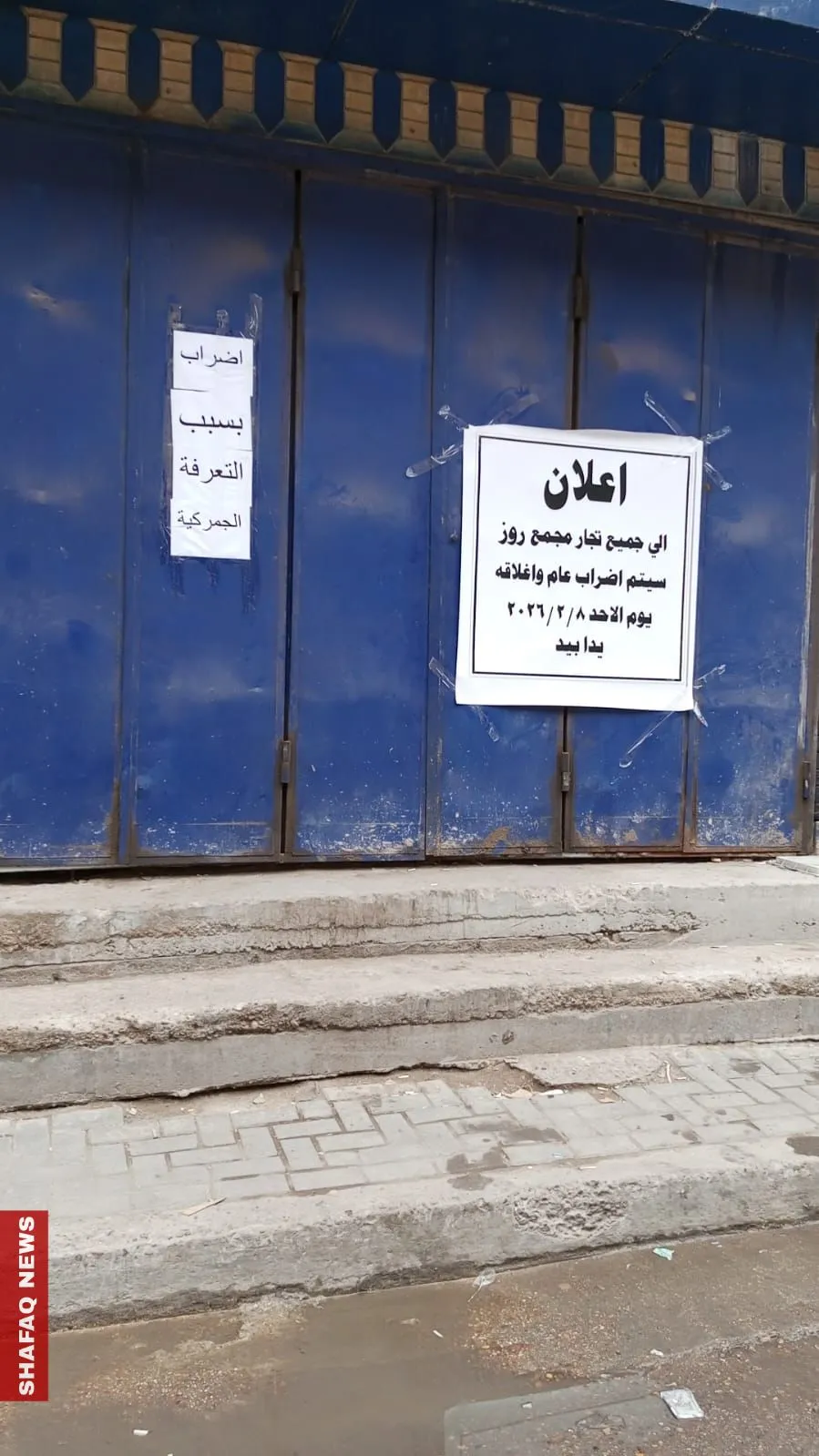
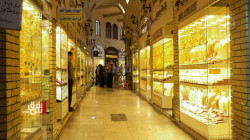
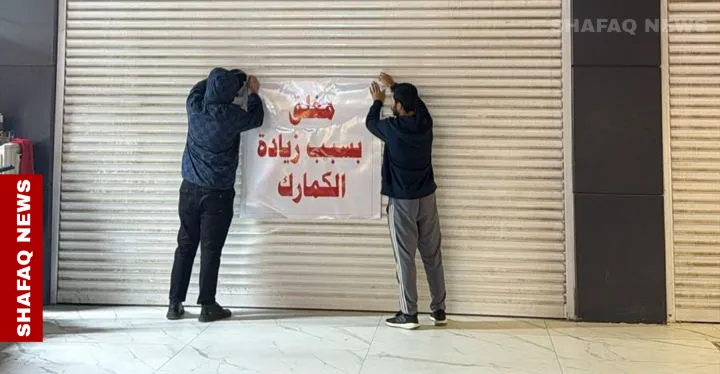
Baghdad’s commercial districts saw widespread closures on Saturday as traders and shop owners launched a general strike to protest a government decision to raise customs tariffs.
Speaking to Shafaq News, traders said the strike is intended to pressure authorities into revisiting the decision and adopting “fair mechanisms” that take into account current economic conditions. They warned the protest would continue until the government responds, urging officials to open dialogue and act quickly to prevent a deeper market crisis.
Earlier today, Baghdad’s markets witnessed unusually heavy shopping as residents rushed to stock up on basic food and consumer goods, fearing imminent price hikes.
The decision to raise customs duties, particularly on non-essential goods, has triggered growing resistance from Iraqi traders, leading to congestion at border crossings and the accumulation of import containers, disrupting trade flows. Economists say the disruption has also weighed on public revenues and may have contributed to delays in paying state salaries for January.
Read more: How Iraq’s customs overhaul is reshaping trade and revenue dynamics
While the General Commission for Taxes says it recorded strong revenues last month, hundreds of traders announced plans to close their shops starting Sunday, with calls circulating for a nationwide market shutdown until the government either postpones the tariff hike or reduces the new rates.
Separately, Iraq’s Ministry of Oil sought to downplay reports of fuel shortages, attributing pressure on petrol stations to higher demand during the holiday period rather than supply problems. Ministry spokesperson Abdul-Sahib Al-Hassnawi told Shafaq News that “there is no fuel crisis,” saying daily gasoline production stands at about 30 million liters, while consumption has temporarily risen to 33.5 million liters due to increased vehicle use during the holiday.
He noted that supplies would stabilize in the coming days as output from Basra refineries increases, adding that production of premium, high-octane gasoline is expected to rise to four million liters this month.
The developments come as Eco Iraq Observatory warned of a government push to raise fuel prices to boost state revenues, cautioning that such steps could have direct economic consequences for households and markets. The observatory noted, however, that Iraq still ranks 17th globally among the countries with the cheapest gasoline prices.
Read more: Explainer: Iraq’s updated customs tariffs, legal dispute, and market impact