Minority leaders warn of growing risks to coexistence in Iraq
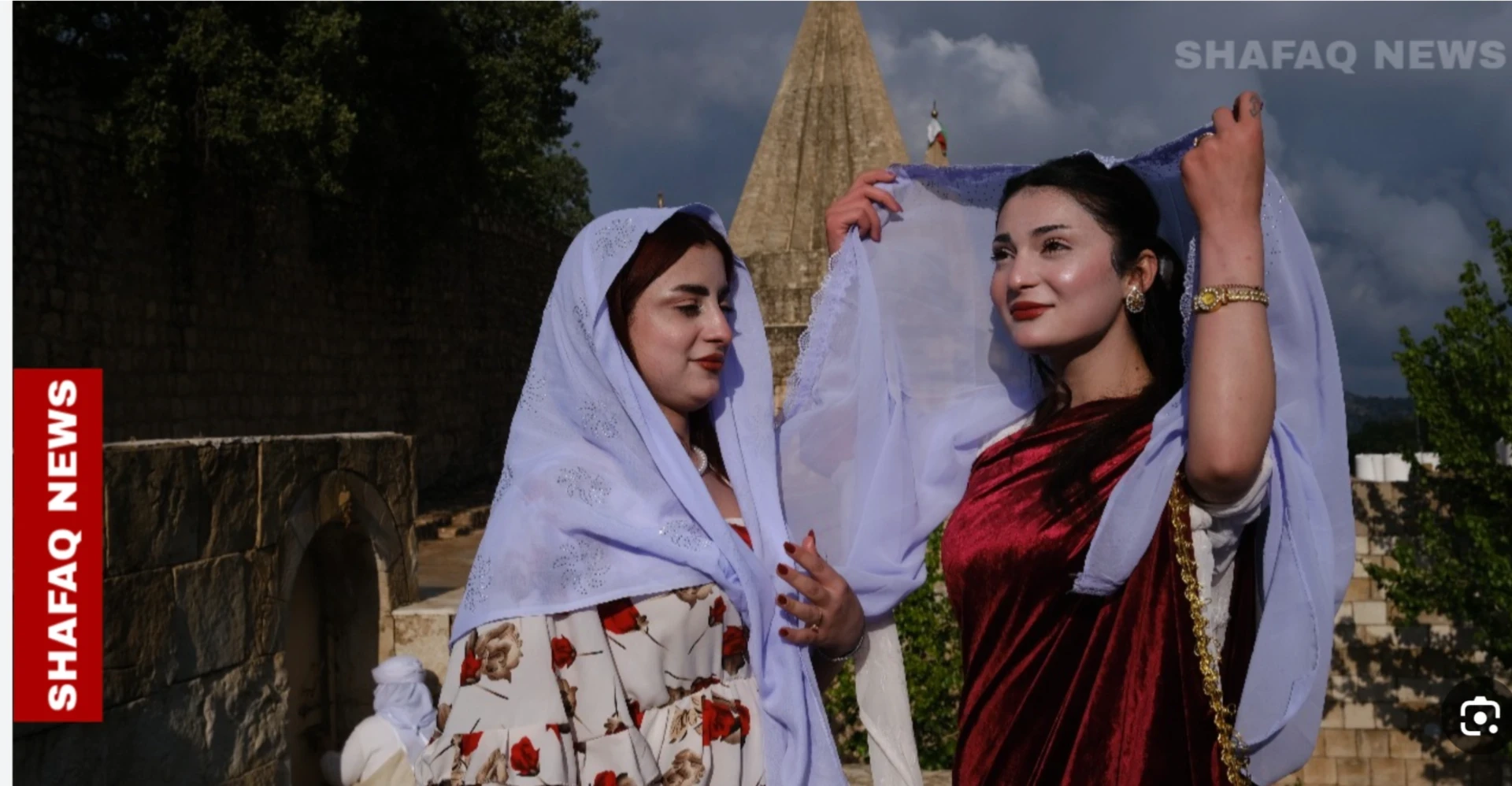


Shafaq News- Baghdad
Representatives of Iraq’s minority communities and civil society organizations warned on Tuesday that hate speech, migration, and weak legal protections continue to threaten coexistence and the country’s religious and ethnic diversity.
On the occasion of the International Day of Living Together in Peace, Ram Asaad Al-Othmani, spokesperson for Iraq’s Mandaean community, told Shafaq News that conditions for minorities are better than during the 2014–2017 war against ISIS, citing relative progress in political representation and reconstruction efforts in areas such as Nineveh Plains and Sinjar. However, Al-Othmani pointed out that the improvements “have not sufficiently translated into daily life” due to the absence of sustainable security protection, weak law enforcement, rising migration rates, and a persistent marginalization.
Read more: Yazidis struggle to return home a decade after ISIS atrocities: report
Coexistence in Iraq operates on two levels: one based on long-standing social acceptance in mixed cities such as Baghdad, Basra, Dhi Qar, and Kirkuk, and another more fragile model in disputed areas and regions witnessing the return of displaced people, where stability depends largely on temporary security arrangements, he said.
According to Al-Othmani, migration poses a “direct threat” to Iraq’s pluralism, arguing that the loss of communities such as Christians, Mandaeans, Yazidis, Kakais, and Shabak would mean losing part of the country’s historical identity.
Saad Salloum, the head of the Masarat Foundation for Cultural and Media Development, told Shafaq News that hate speech had transformed social fabric from a source of civilizational richness into a driver of tension and conflict.
He pointed to the 2014 genocide against the Yazidis and the displacement of Christians from historic cities as examples of the consequences of extremist rhetoric, warning that continued incitement undermines reconciliation efforts and threatens the foundations of equal citizenship.
Yazidi writer and activist Mirza Dinani also argued that “Iraq’s democratic experience is incomplete and vulnerable to interference by influential political forces,” adding that the misuse of religion in political competition and “the use of hate speech for electoral purposes” have contributed to the rise of extremist movements threatening social peace.
Meanwhile, Shabak representative Mohsen Ali Al-Shabaki described coexistence in the Nineveh Plains as a “living example” reflected in daily life, markets, and social occasions, indicating that despite external attacks, the region has not witnessed internal fighting among its communities.
Ibrahim Zarari, a follower of the Zoroastrian faith, argued that protecting diversity requires equal laws for all citizens, inclusive education, and balanced political representation, noting that “a just state is one that prevents differences from becoming tools of injustice.”
Read more: Iraq’s 2025 Elections: Minority quota under spotlight
Minorities Under Pressure
Iraq is home to a wide range of religious and ethnic minorities whose populations have sharply declined over the past two decades due to war, displacement, sectarian violence, and migration. The Mandaean community, one of the world’s oldest Gnostic faiths, has fallen from an estimated 70,000 members before 2003 to only a few thousand today, mainly concentrated in Basra, Dhi Qar, and Maysan, with diaspora communities spread across Europe, Australia, and the United States.
Read more: Five days to eternity: inside the Mandaeans' sacred Brunaya
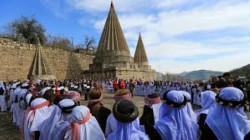
Yazidis, largely based in Sinjar and Shekhan in Nineveh province, continue to face the consequences of the 2014 ISIS genocide, with more than 200,000 still displaced across camps in the Kurdistan Region and disputed territories. The Shabak community, historically concentrated in the Nineveh Plains east of Mosul, has also seen its population decline due to displacement and migration after years of violence and instability.
Meanwhile, Iraq’s Kakai population is estimated at between 110,000 and 200,000, mostly living in Kirkuk, Diyala, Erbil, and Al-Sulaymaniyah provinces. A small but active Zoroastrian community also remains in the Kurdistan Region. Minority representation has faced additional political challenges after Iraq’s Federal Supreme Court abolished the 11 minority quota seats in the Kurdistan parliament ahead of the 2024 regional elections.