Geymar and Kahi keep Eid al-Fitr mornings alive in Baghdad


Shafaq News
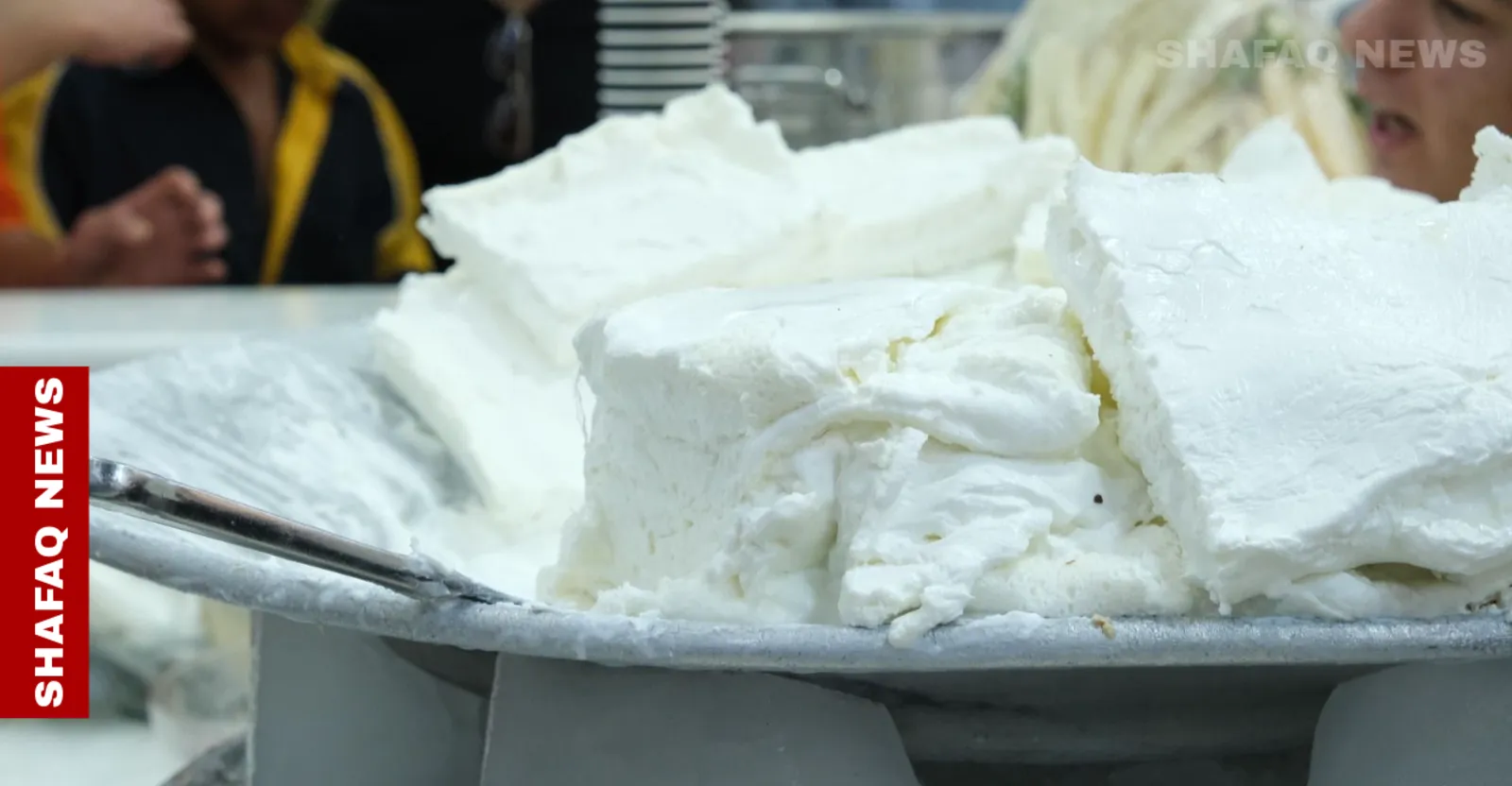
For many Iraqi families, especially in Baghdad, Eid al-Fitr begins with a familiar breakfast: Geymar and Kahi served with tea, a tradition that has long marked the first morning after the end of Ramadan.
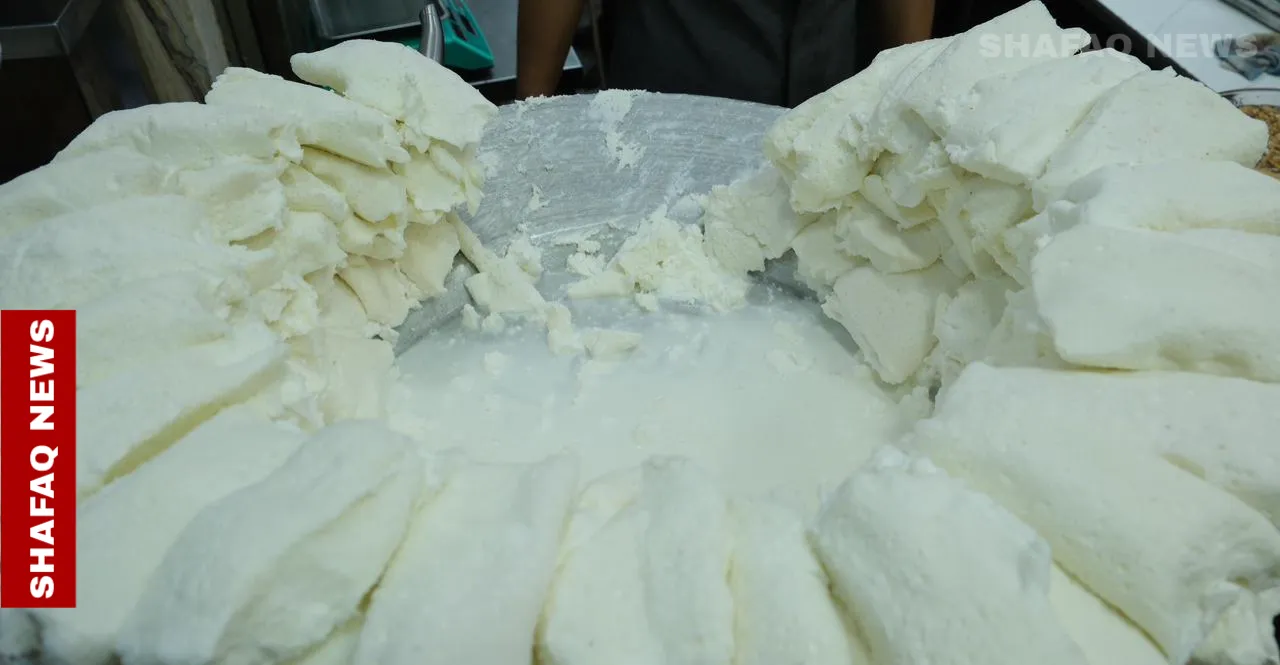
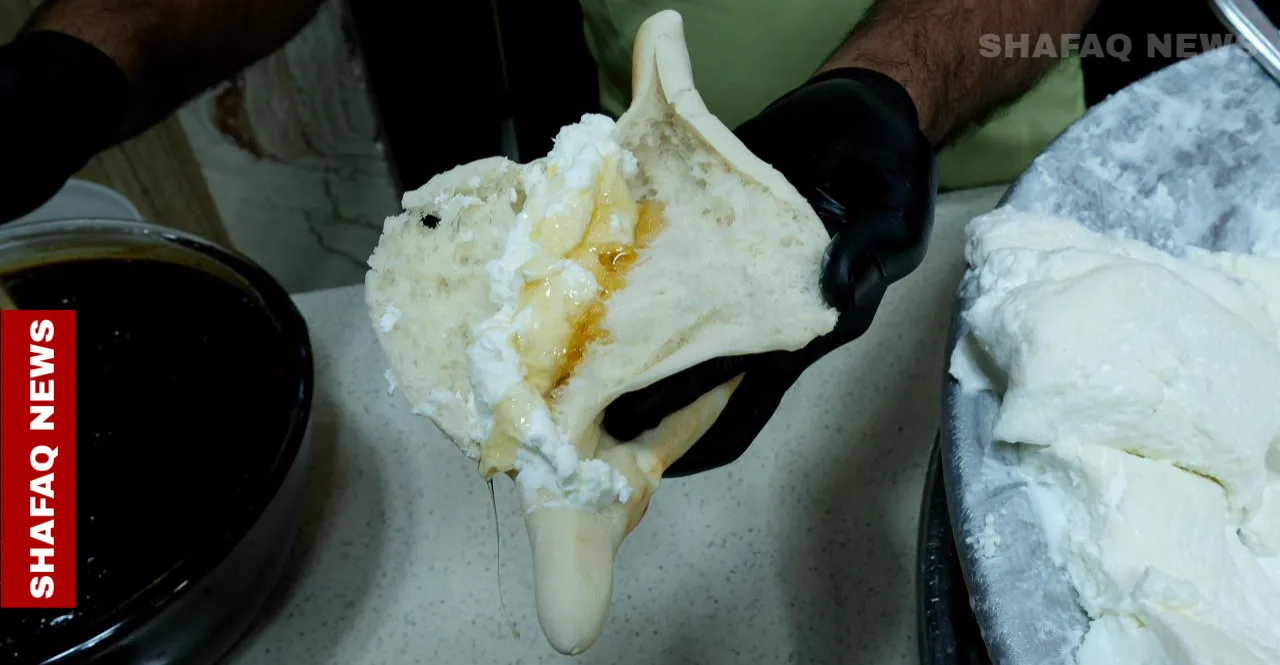
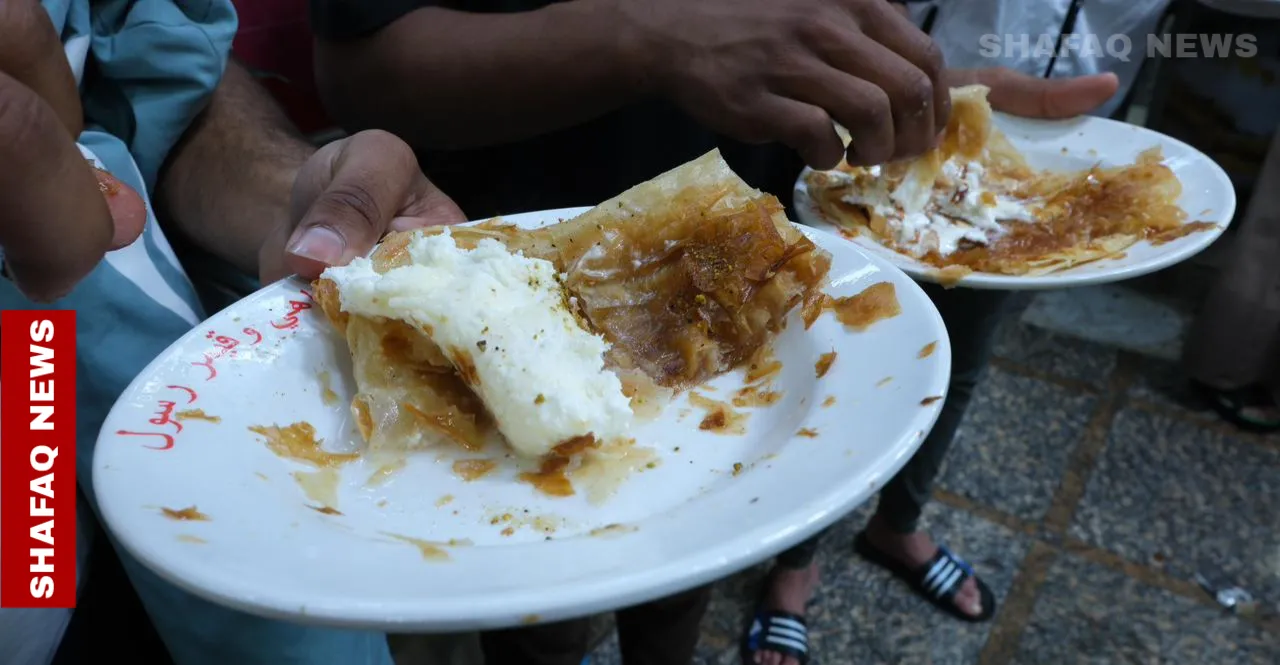
Kahi, widely seen as a defining Iraqi breakfast treat, is made of layers of light, flaky pastry often drizzled with syrup and paired with Geymar, a thick clotted cream, creating a rich and indulgent meal.
After 30 days of fasting and abstaining from breakfast, families gather around a tray of Geymar and Kahi in a ritual that signals both the end of the fasting month and the start of the holiday.
Beyond the meal itself, the tradition carries a strong social meaning. The morning gathering, paired with Eid greetings, kisses on the forehead, and shared tea, turns the breakfast table into a space for family reunion and celebration.
Ali al-Ward, a historian and researcher in Iraqi folklore, told Shafaq News that Iraqis have long held on to customs that symbolize Eid and serve important social purposes.
“There is nothing more beautiful than a family gathering around the table, exchanging morning greetings, Eid wishes, and kisses on the foreheads of fathers, mothers, wives, and children,” he said. “That helps break the monotony of daily routine and brings family members closer together.”
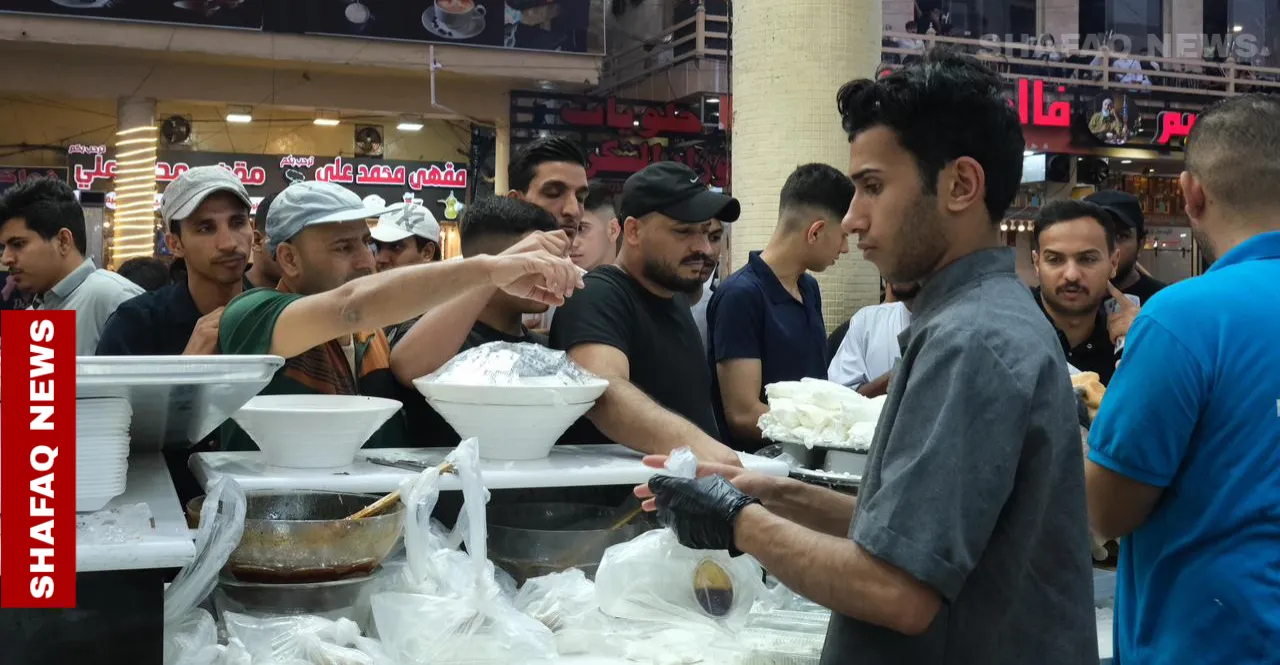
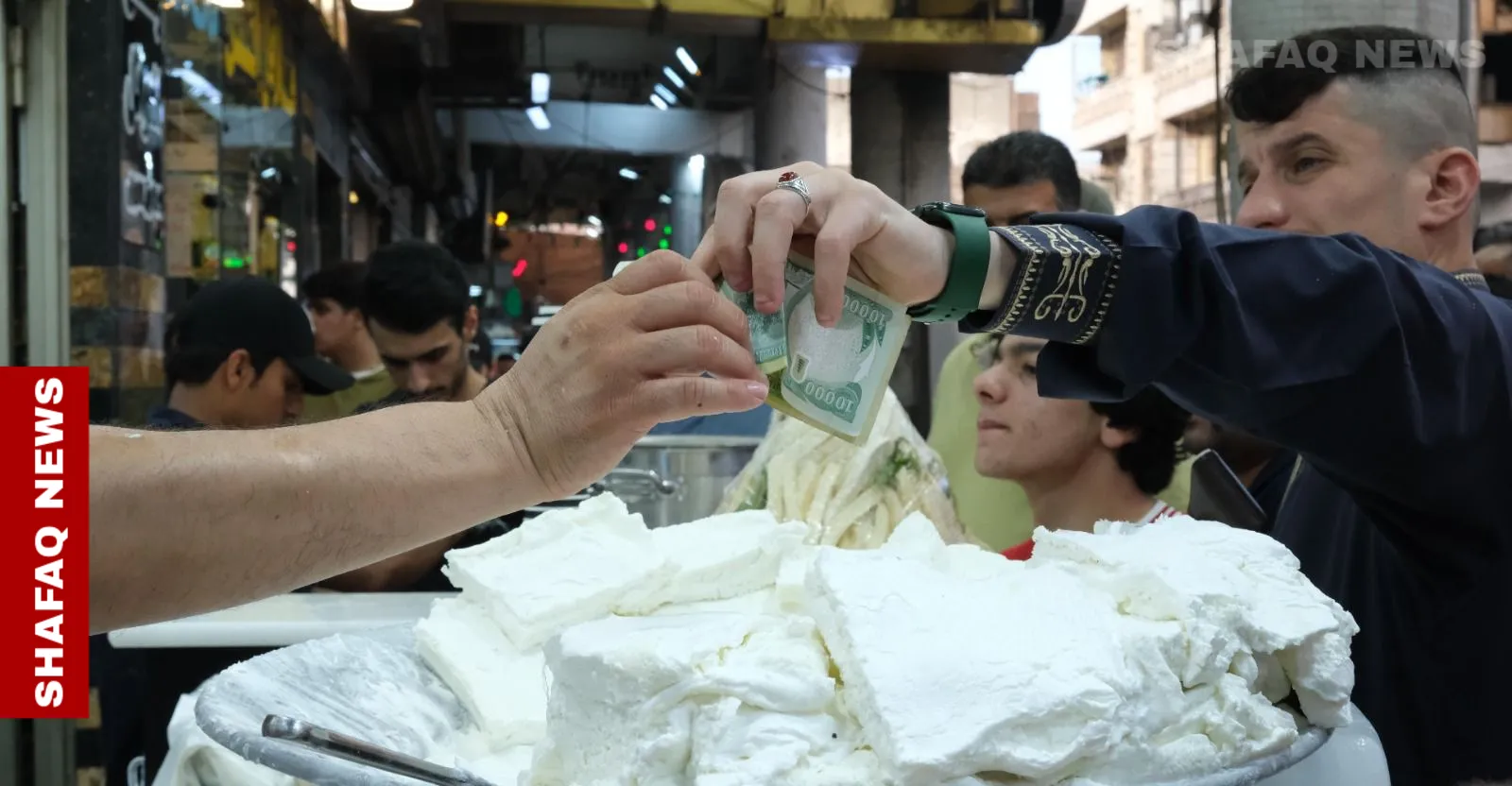
Al-Ward said Baghdad still sees heavy demand for Geymar and Kahi on the first day of Eid, with some residents traveling long distances to buy them. He noted that areas such as al-Sadriya, al-Kadhimiya, and Bab al-Muadham were once especially known for their geymar sellers, attracting customers from across the capital.
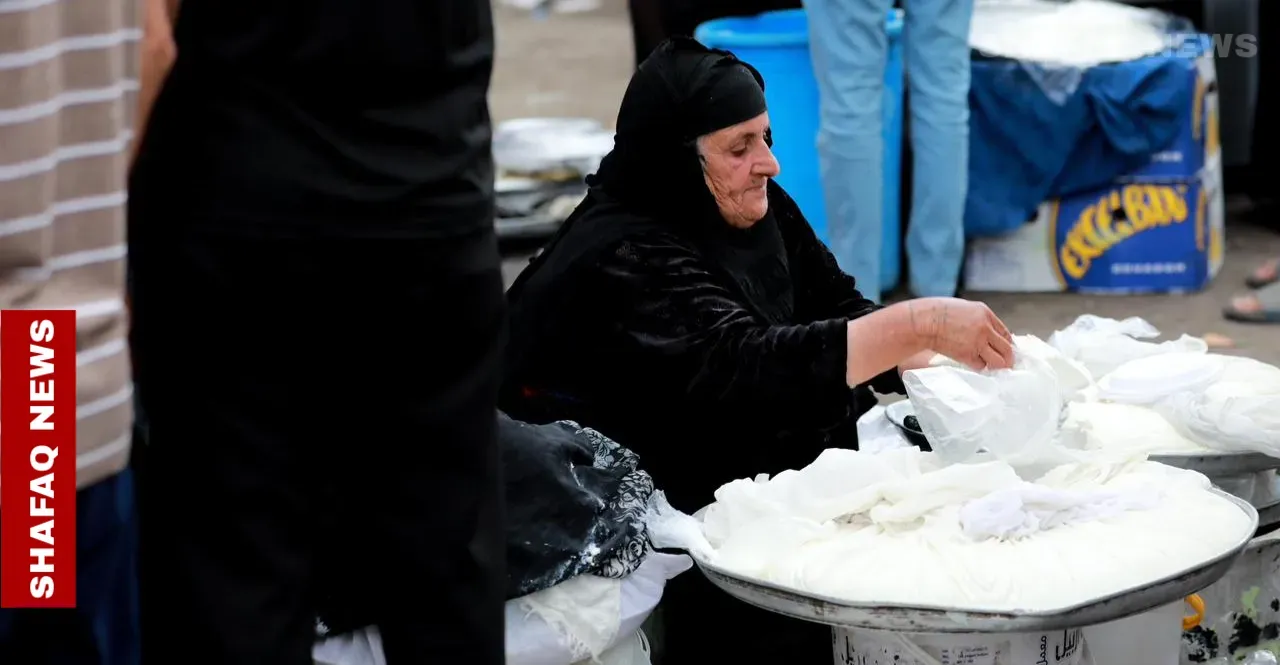
He also recalled how the trade used to look different. Before Geymar and Kahi became staples of restaurants and specialty shops, women selling Geymar would sit on the ground with large trays in front of them, replacing each empty tray with a new one as soon as it sold out.
“Today’s shops no longer offer the same flavor or
cleanliness people remember from earlier decades, despite displaying the food
behind glass,” he recalled, suggesting that part of what has been lost is the
spontaneity and warmth that once shaped the relationship between sellers and
customers.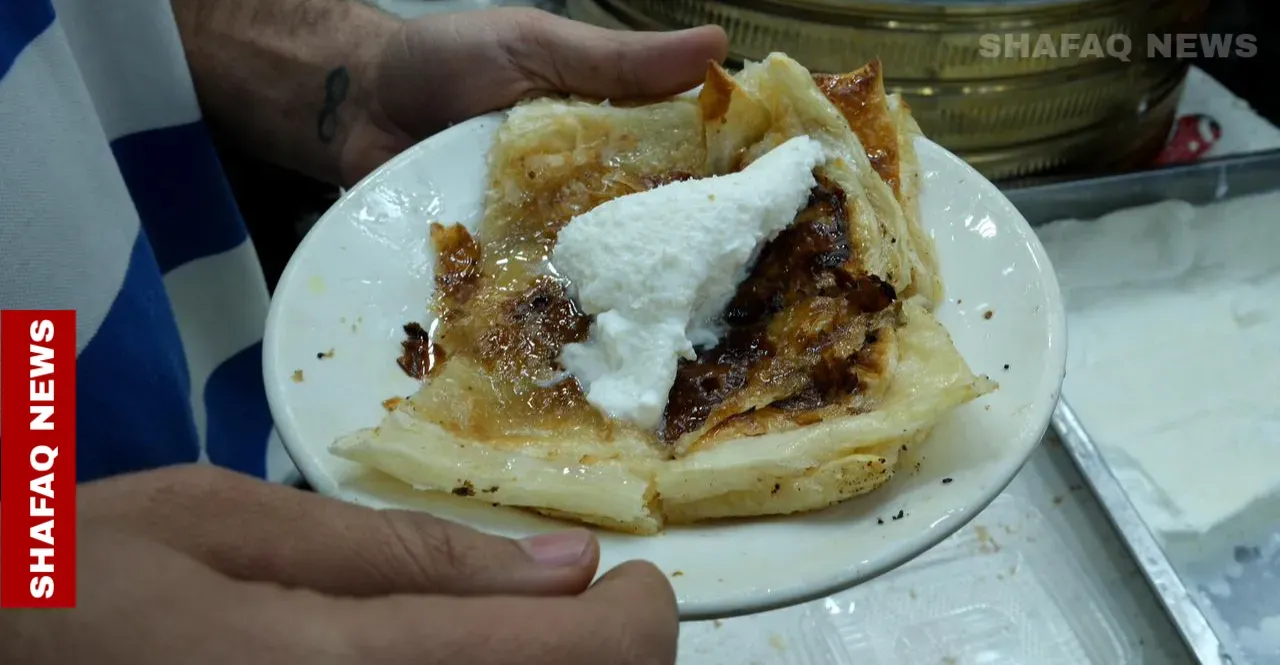
Large demand
The strong demand for Geymar at dawn on the first day of Eid pushes sellers to sharply increase their production.
Umm Hassan, a seller in al-Kadhimiya, told Shafaq News that on ordinary days she prepares two trays for sale and sets up at around 6:00 a.m. each morning. “But the first day of Eid is different…People rush to buy Geymar very early. Some come as early as 4:00 a.m., so I prepare as many trays as I can and head out at 3:00 a.m. to sell.”
For many families, the meal is inseparable from the feeling of Eid itself.
Hayfaa Ali said the holiday does not feel complete without the family gathering around a tray of Geymar and Kahi. She said her husband has long made a habit of waking early, leaving the family asleep, and heading out to buy Geymar from a woman named Hayat, who sells it beside a bakery making fresh Kahi and hot Samoon bread.
“The first breakfast after Ramadan has a special taste,” Ali said. “Geymar and Kahi is a rich and delicious meal that brings the family together as part of the Eid rituals we know every year.”
Another Baghdad resident, Abdul Ghani al-Saadi, said his family especially enjoys eating Geymar and Kahi during Eid, which he buys from al-Sadriya. “Geymar from al-Sadda and al-Saydiya has the best taste, while the Kahi made by Abu Hamziya stands apart from all others.”
Despite changes in time, place, and lifestyle, Geymar and Kahi remain part of Baghdad’s Eid identity, preserving a tradition that continues to connect celebration with memory, family, and the city’s older rhythms.
Written and edited by Shafaq News staff.