Oman's FM holds separate talks with Iranian and US delegations


Shafaq News- Muscat
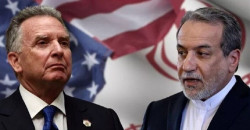
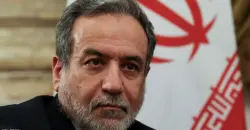
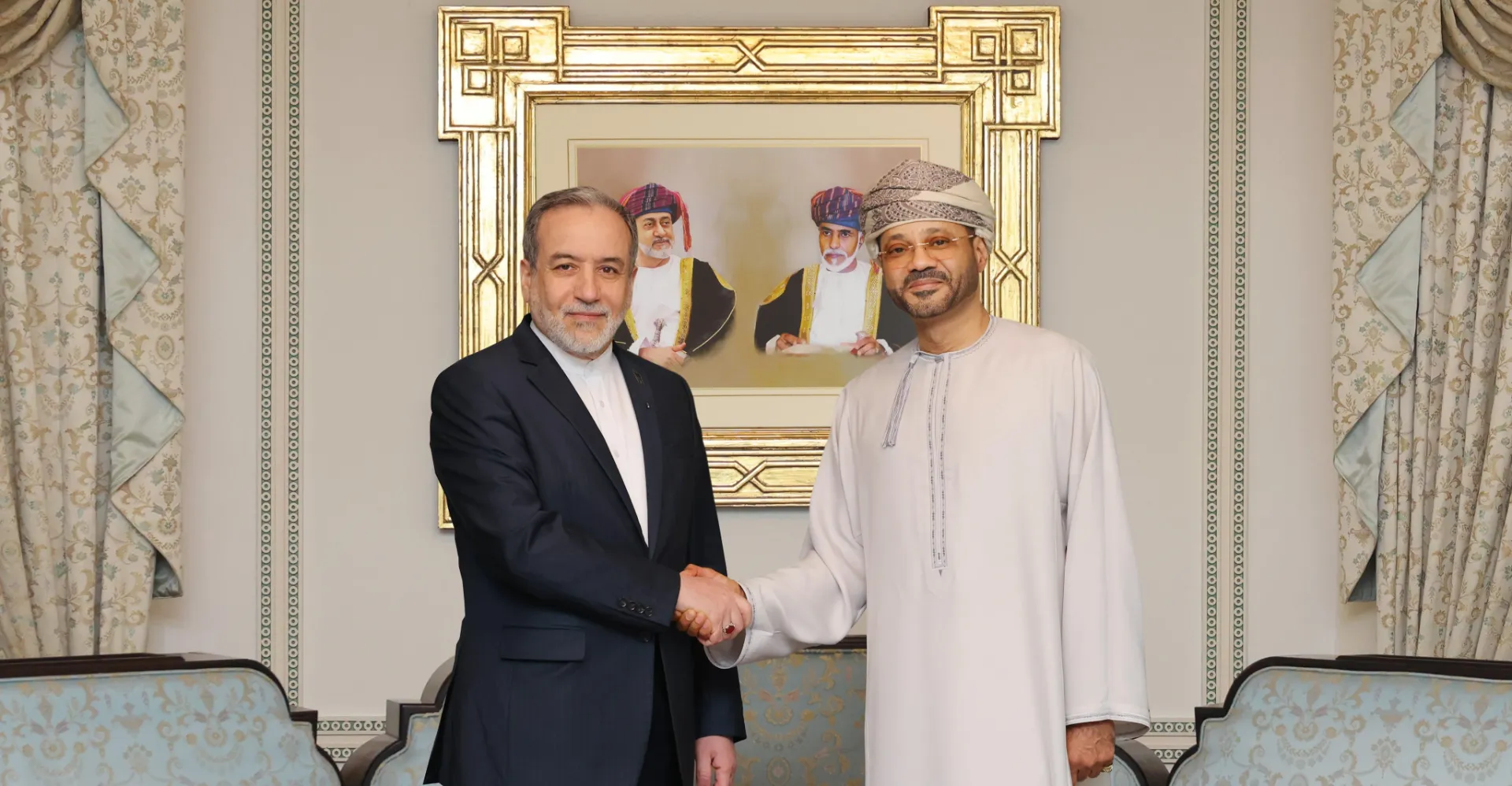
Omani Foreign Minister Badr Al-Busaidi held separate consultations with Iranian Foreign Minister Abbas Araghchi and US Envoy Steve Witkoff, Oman’s Foreign Ministry announced on Friday, adding that the consultations focused on creating suitable conditions to sustain dialogue.
In a statement, the ministry reaffirmed its commitment to supporting steps that help narrow differences between the two sides.
“Muscat remains committed to backing dialogue between the United States and Iran, a lasting understanding that contributes to strengthening regional and international stability,” the statement added, noting that Al-Busaidi highlighted “the value of coordinated regional backing in advancing the dialogue between Washington and Tehran.”
📸 | في إطار استضافة سلطنة عُمان لمفاوضات الملف النووي الإيراني، أجرى معالي السيد بدر بن حمد البوسعيدي @badralbusaidi وزير الخارجية، صباح اليوم مشاورات منفصلة مع كلٍّ من الوفد الإيراني برئاسة معالي الدكتور سيد عباس عراقجي، ومع الوفد الأمريكي برئاسة ستيف ويتكوف، المبعوث الخاص… pic.twitter.com/FxvS8C9TkV
— وزارة الخارجية (@FMofOman) February 6, 2026
Oman has long served as a mediator between Iran and the United States, hosting previous rounds of indirect discussions aimed at easing tensions between the two countries.
The first round of US-Iran negotiations began in Muscat under Omani sponsorship, marking the first talks between the two sides since the United States launched strikes in June on key sites linked to Iran’s nuclear program during the 12-day conflict between Israel and Iran.
Iranian Foreign Minister Abbas Araghchi called on the United States to show “mutual respect” ahead of the start of talks between the two sides in Oman, stressing that Iran’s stands firm on its rights. In a post on X, he stated that Iran enters diplomacy with open eyes and a steady memory of the past year. “commitments need to honored,” he wrote, adding that “Equal standing, mutual respect and mutual interest are not rhetoric—they are a must and the pillars of a durable agreement.”
Earlier, US Secretary of State Marco Rubio stressed that engaging Iran in talks does not amount to a concession. He said Washington is willing to enter talks to assess whether progress is possible, while remaining skeptical of the outcome. Any dialogue, he added, must address Iran’s ballistic missile program and would proceed only if Tehran demonstrates seriousness.
The talks come amid heightened regional tensions and renewed diplomatic efforts to address long-standing disputes between Washington and Tehran. US President Donald Trump conveyed broader demands to Tehran, including dismantling nuclear and missile capabilities and ending support for regional allies such as Lebanon’s Hezbollah, Yemen’s Houthis (Ansarallah), and armed groups in Iraq. Iran has repeatedly rejected those conditions. Ali Bagheri, deputy for international affairs at Iran’s Supreme National Security Council, on Monday said Tehran has no plans to transfer enriched uranium abroad and that the issue will not be discussed in any negotiations with the US.