Outsiders challenge World Cup’s old guard


Shafaq News
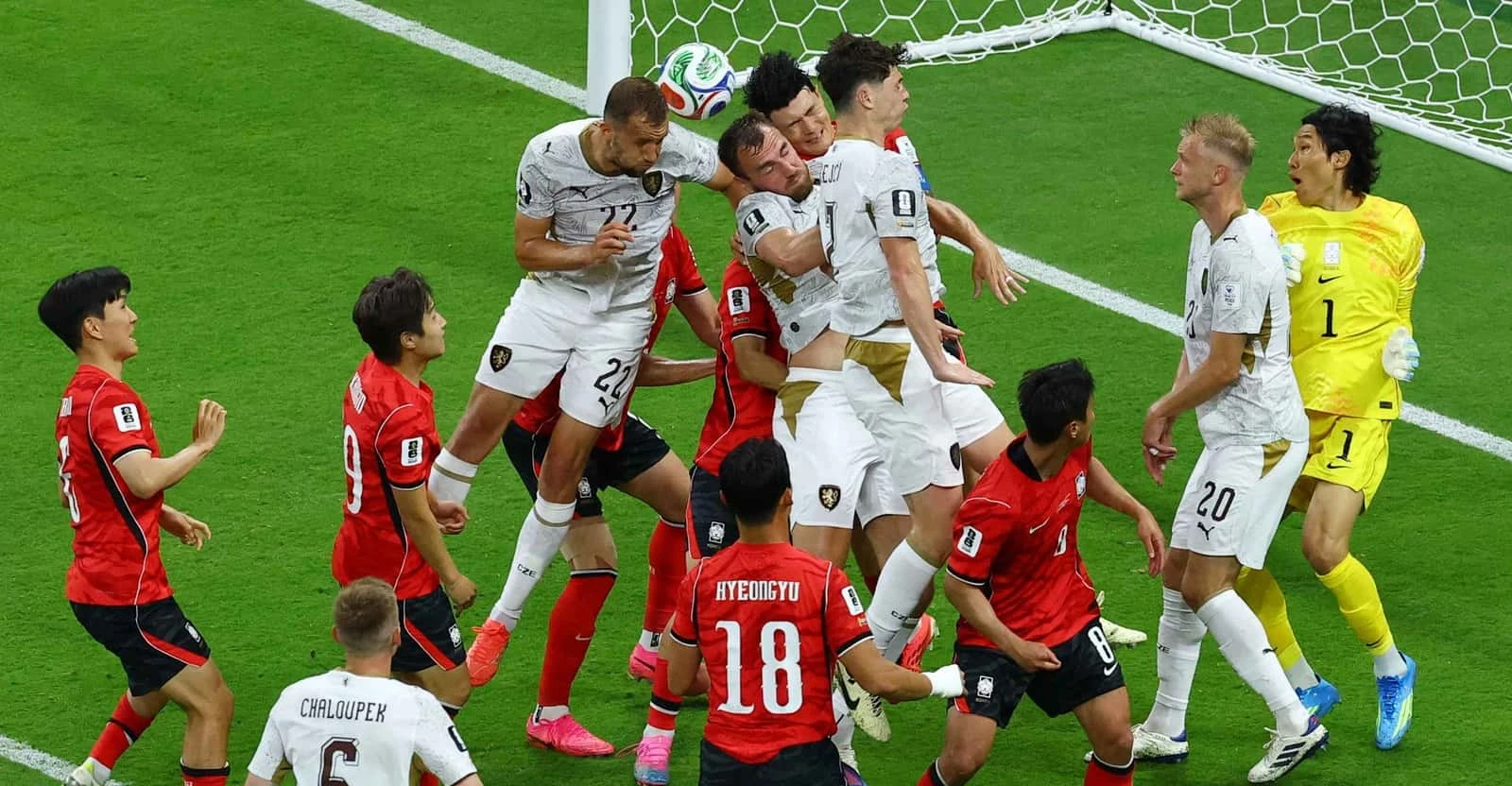
The first week of World Cup 2026 has produced an unusual trend: in three matches against European opposition, Asian teams collected seven points from a possible nine, with South Korea coming from behind to beat Czechia 2-1, Qatar earning a late 1-1 draw against Switzerland, and Australia defeating Turkiye 2-0.
South Korea overturned a deficit through Hwang In-beom and Oh Hyeon-gyu, while Qatar spent much of the match under pressure before finding a late equalizer for the first World Cup point in the country's history. Australia absorbed long spells of Turkish possession and still left Vancouver with a two-goal victory.
Taken individually, none of the results would be enough to define a tournament, but together they arrive at a moment when Asian football is represented more strongly than ever. Nine Asian nations qualified for World Cup 2026, the highest total in the competition's history, while Jordan and Uzbekistan are making their tournament debuts. Before the tournament, AFC President Shaikh Salman bin Ebrahim Al Khalifa described 2026 as Asia's strongest-ever World Cup representation, while FIFA President Gianni Infantino called the expanded format a “game changer for Asia.”
The early pattern has not been limited to Asia, with Morocco, Africa’s 2022 semifinalists, holding Brazil 1-1 after Ismael Saibari scored first and Vinicius Junior rescued a point for the five-time champions. North America also started strongly, with Mexico beating South Africa 2-0 in the opener, the United States defeating Paraguay 4-1, and Canada drawing 1-1 with Bosnia and Herzegovina.
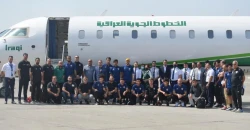
The timing is notable for Iraq, who return to the World Cup for the first time since 1986 and open against Norway on Wednesday in a group that also includes France and Senegal. Elsewhere, Jordan are preparing for their World Cup debut against Austria, Japan face the Netherlands, while Saudi Arabia still have Uruguay and Spain ahead.
None of those matches become easier because of what happened during the opening days or in 2022 –Norway still have Erling Haaland and Martin Odegaard, Spain remain among the favorites for the title, and the Netherlands have reached three World Cup finals. Iraq assistant coach René Meulensteen has described the assignment as a “David-vs-Goliath task.” But what has changed is the backdrop.
For decades, World Cup discussions around teams outside Europe and South America often centered on participation, respectable defeats, and the possibility of an upset, but the early matches of 2026 have instead centered on points, results, and missed opportunities to take even more.
The tournament is still young, and a handful of matches will not settle any debate about the balance of power in world football. But the opening days have already produced a question that will follow the competition through the group stage: are these isolated results, or another sign that the gap between football's traditional powers and the rest of the field is becoming harder to see?