Iraq opens Aqar Quf archaeological park with Italian support


Shafaq News- Baghdad
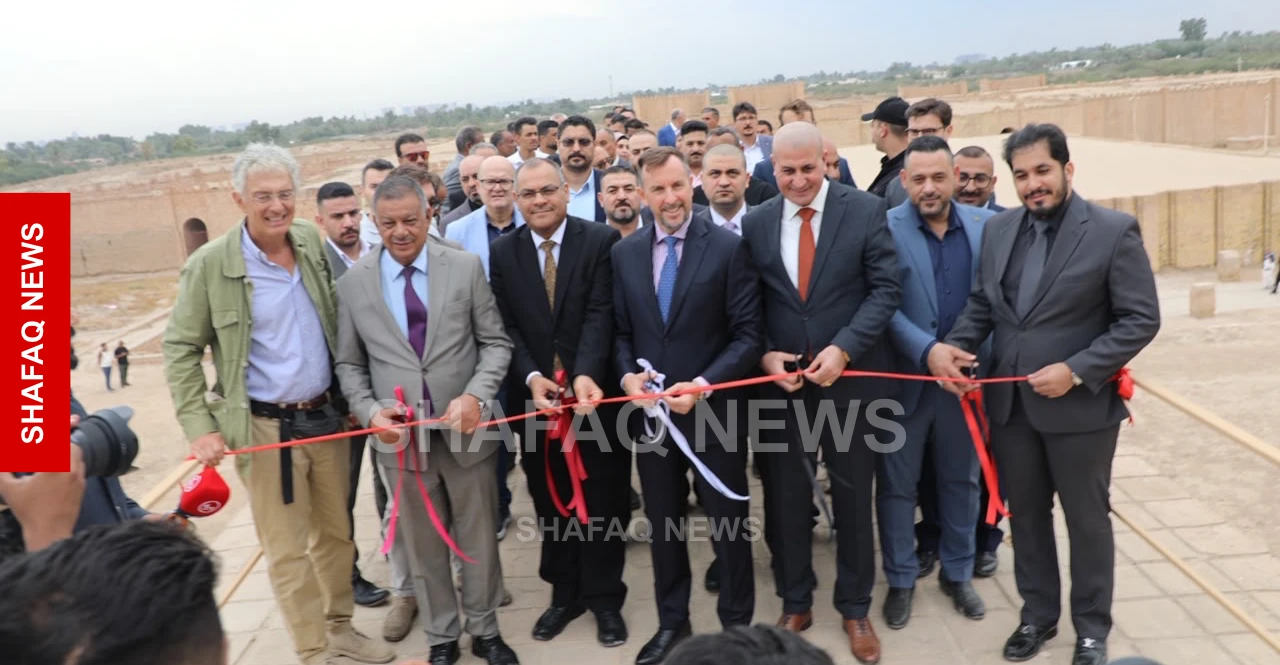
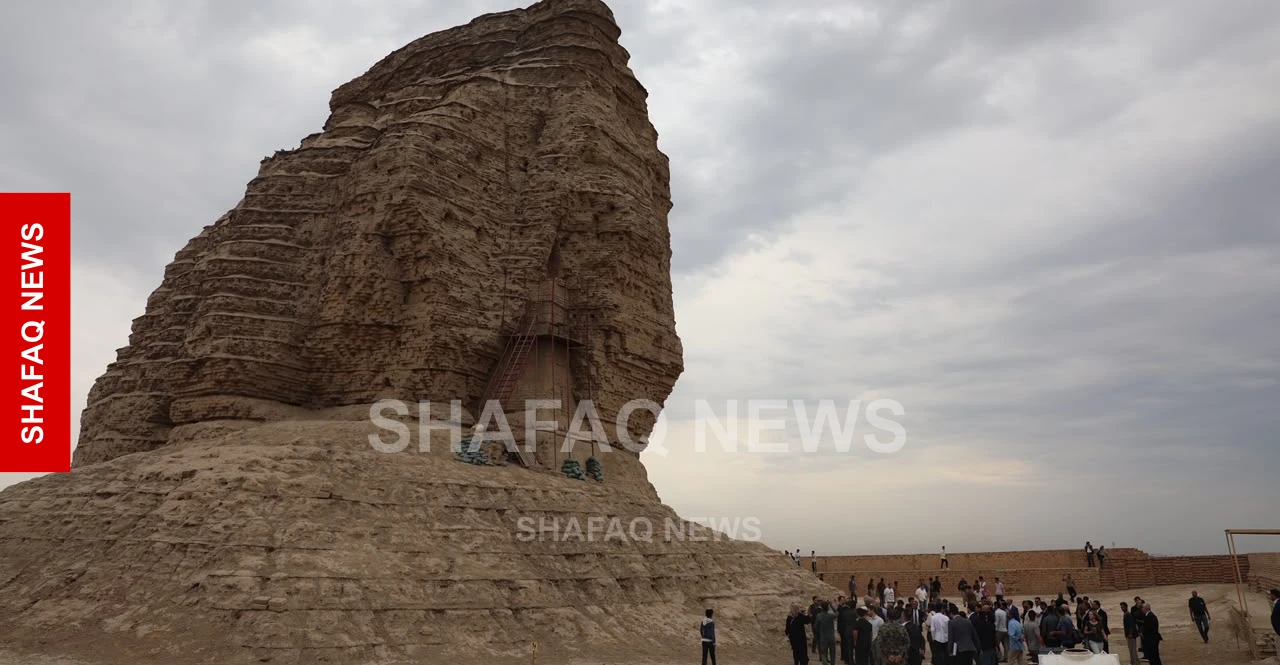
Iraq on Tuesday opened the first section of an archaeological park at Aqar Quf, a 3,400-year-old city on the western edge of Baghdad, launching an Iraqi-Italian effort to restore the site and turn it into a destination for cultural tourism.
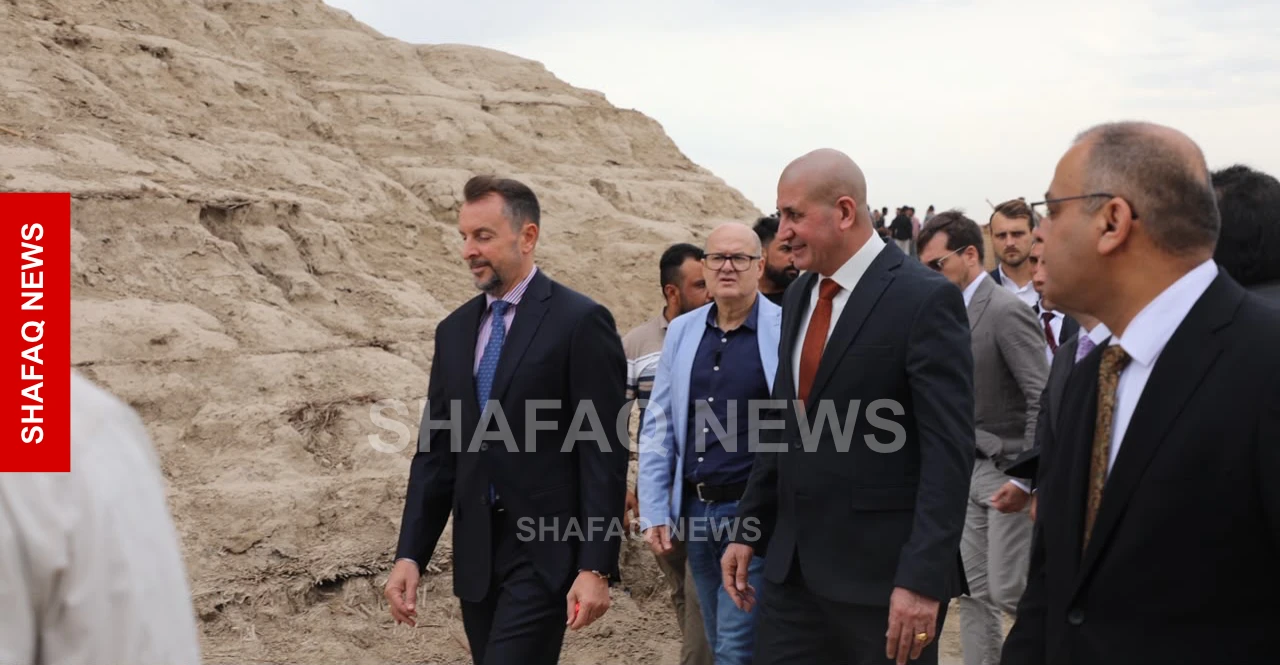
The section was opened by Iraq's Ministry of Culture, Tourism and Antiquities and its State Board of Antiquities and Heritage, in the presence of Italy's ambassador to Iraq, Niccolò Fontana. It is only the first stage, and work will continue in the coming years, Fontana told Shafaq News, adding that developing Iraq's ancient sites could turn them into major tourist attractions.
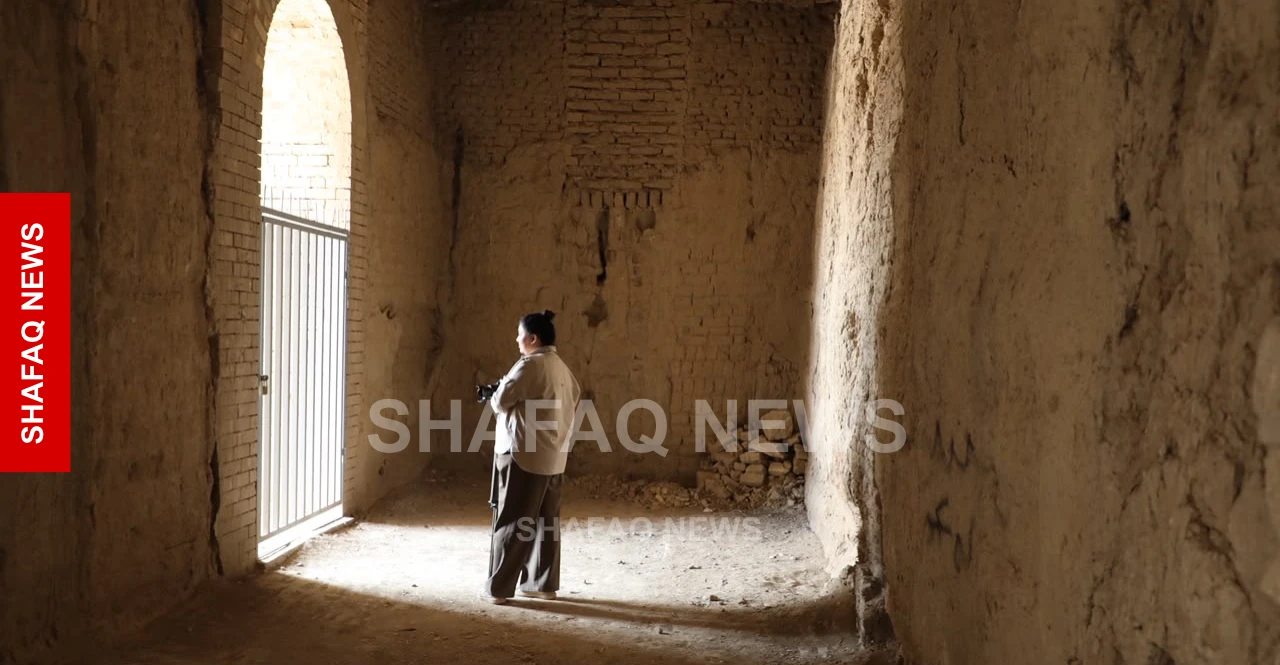
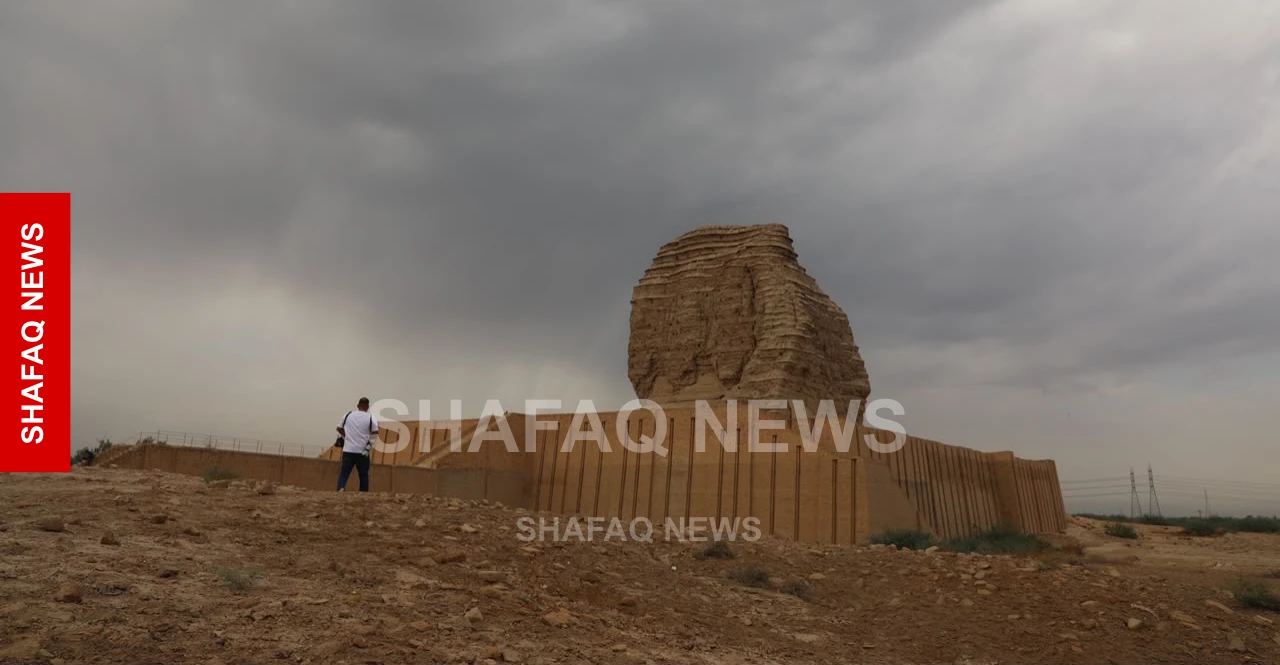
Known in antiquity as Dur-Kurigalzu, Aqar Quf dates to around 1400 BC, when the Kassite dynasty ruled Babylonia and built temples, palaces and religious and administrative buildings there. Its most striking feature is a ziggurat, a stepped temple tower that still rises about 50 meters above the plain in Abu Ghraib district.
Read more: Aqar Quf Ziggurat: A fading legacy of Mesopotamia
Digging Into Kassite History
The project is a partnership between Iraq's antiquities board and Italy's University of Bologna, said Ahmed Salah Saheb, an archaeologist with the board and a member of the joint team. Surveying began in 2023, and excavation began in 2025. The work is due to run until 2028, he told Shafaq News, covering six main areas, including the temple complex, palaces, houses, administrative buildings and the city's outer gates.
It forms part of ArTourBagh, a three-year, €3 million project funded by Italy through its Agency for Development Cooperation (AICS) to promote sustainable cultural tourism in Baghdad. The University of Bologna leads the work, alongside the University of Catania, the Turin-based excavation center CRAST and the Italian NGO AVSI, according to Italy's Foreign Ministry.
Professor Nicolò Marchetti, who heads the Bologna team, told Italy's LaPresse news agency that the dig had uncovered fragments of statues in the temple and written documents in the palace area, revealing "a new page of Kassite history."
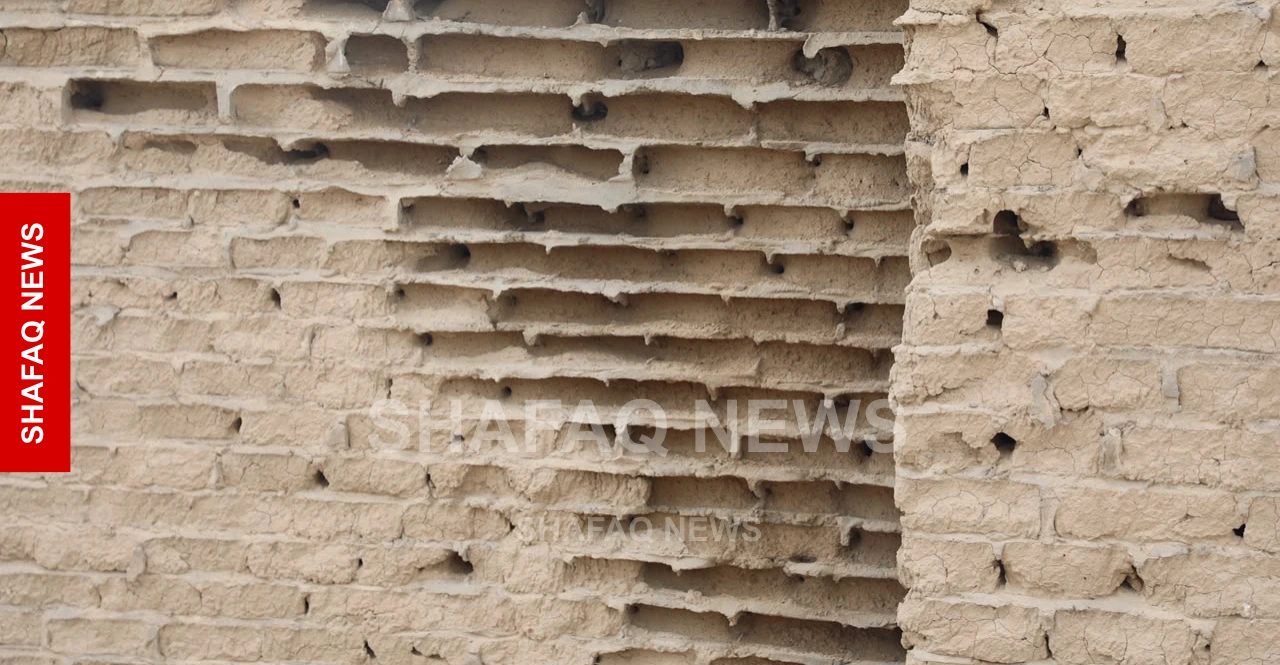
Much of the city was built of mud brick, which erodes easily and needs regular care. Each season, the team repairs damaged sections using original materials and designs as far as possible, to preserve the site's character, Saheb said.
Read more: A race against time: Restoring Iraq's lost history
From Ruins To A Park
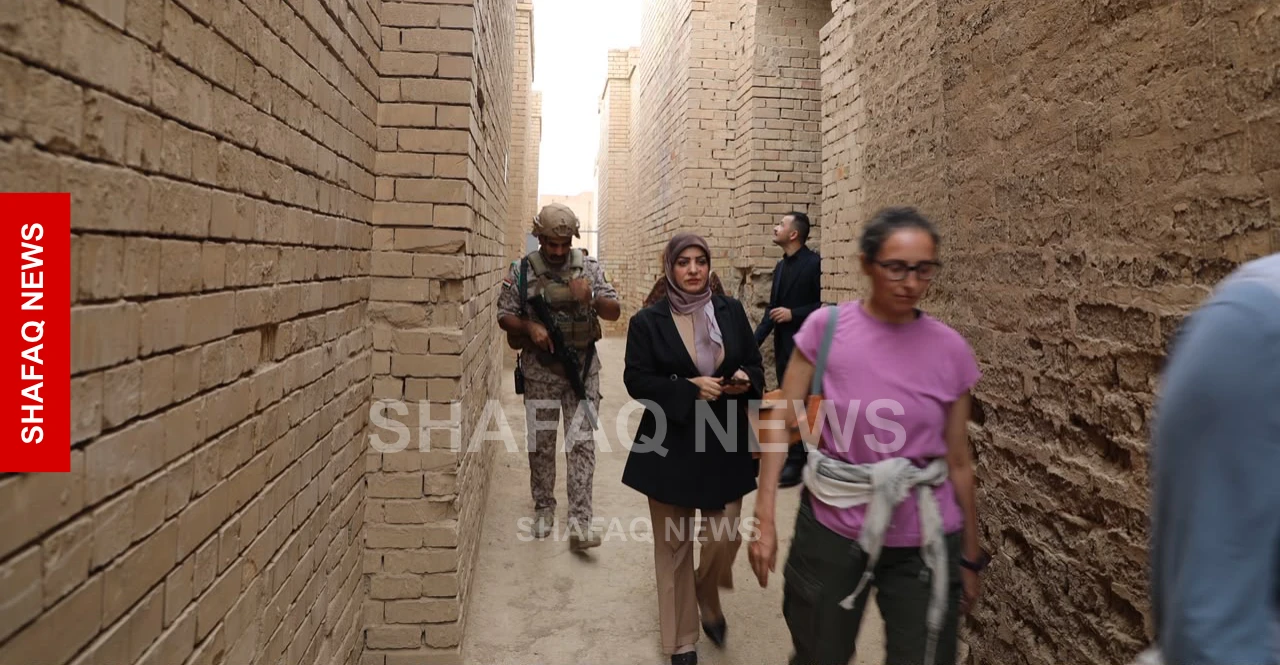
The park is planned to stretch about 5 kilometers, taking in the ziggurat, temples, palaces and administrative buildings. Next steps include restoring the administrative area, linking parts of the site with roads, and adding signs and wooden walkways so visitors can explore the city, according to Saheb.
Ali Obeid Shalgham, head of the State Board of Antiquities and Heritage, said the plans also include reinforcing parts of the temples and the ziggurat. The site will open to visitors in morning and evening sessions, he told Shafaq News. Cooperation with Italian universities has also led to excavations at other Iraqi sites, including Seleucia and Tell Muhammad, he added.
Aqar Quf was added to UNESCO's Tentative List in January 2025, a first step toward possible World Heritage status, which will require Iraq to meet standards for the site's protection, management, and documentation, Saheb said.