Iraq food prices surge as import disruptions and structural weaknesses compound


Shafaq News- Baghdad
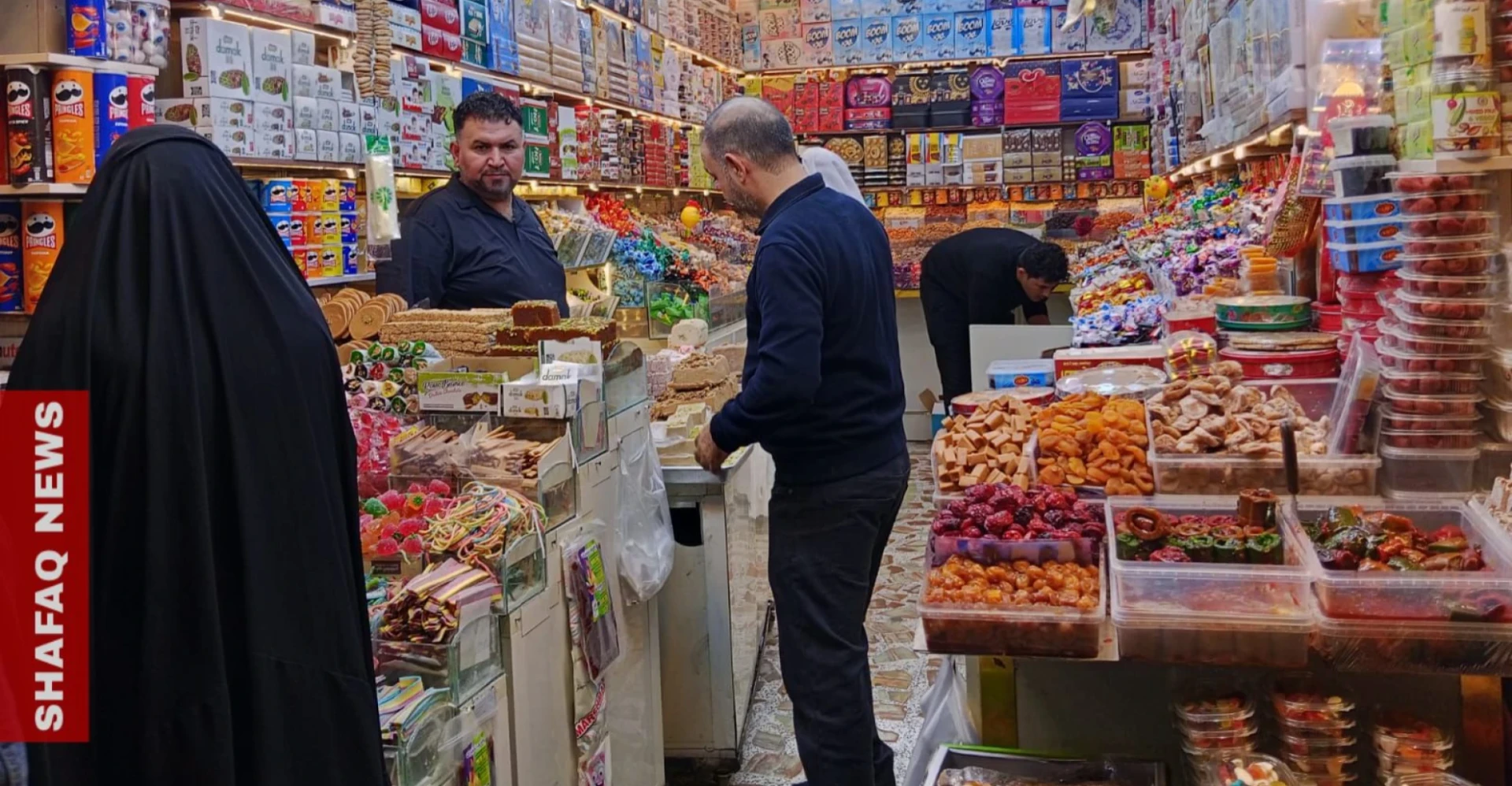
Food prices across Iraq have risen sharply in recent weeks, with staple vegetables recording increases of up to 300 percent, according to market data and statements gathered by Shafaq News.
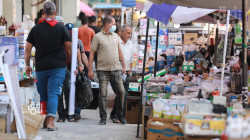
Ali Ahmed, a shop owner in Baghdad, said tomato prices climbed to approximately 3,000 Iraqi dinars ($2.29) per kilogram from a previous range of 750 to 1,000 dinars ($0.57–$0.76), while onions rose to around 1,000 dinars ($0.76) per kilogram from roughly 250 dinars ($0.19). Okra reached nearly 10,000 dinars ($7.63) per kilogram in some areas.
Deputy Agriculture Minister Mehdi Sahar al-Jubouri attributed the surge to weak domestic production, limited supply from neighboring export markets, and elevated shipping costs. He told Shafaq News that the end of the autumn greenhouse farming cycle has created a production gap, and open-field harvests are expected to begin by late April, which he indicated could gradually ease prices. Al-Jubouri called for tighter oversight of wholesale markets to curb hoarding and price manipulation.
Read more: War fears drive panic buying across Iraqi markets
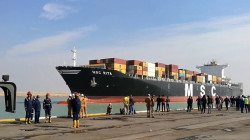
Analyst Diaa al-Muhsin told Shafaq News the spike reflects broader structural pressures, including currency volatility, geopolitical tensions, and political uncertainty, noting that traders have been rerouting shipments through Jordan and Turkiye due to higher shipping and insurance costs, pushing consumer prices higher in a country heavily dependent on imports for basic goods.
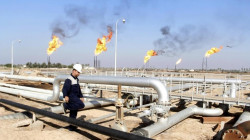
The pressure extends beyond food markets. Cooking gas shortages have produced long queues at filling stations in several cities, and declining oil revenues have raised questions about the government's capacity to sustain public sector salaries and operating costs.
Economist Ahmed Abed Rabbo told Shafaq News that stabilizing the economy requires coordinated monetary and fiscal policy, tighter liquidity controls, exchange rate stability, and a reorientation of government spending toward productive sectors.
The Agriculture Ministry has not announced a timeline for additional import or price stabilization measures.