Gas distribution challenges emerge in Iraq


Shafaq News- Baghdad
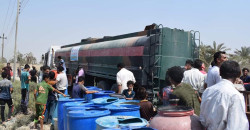
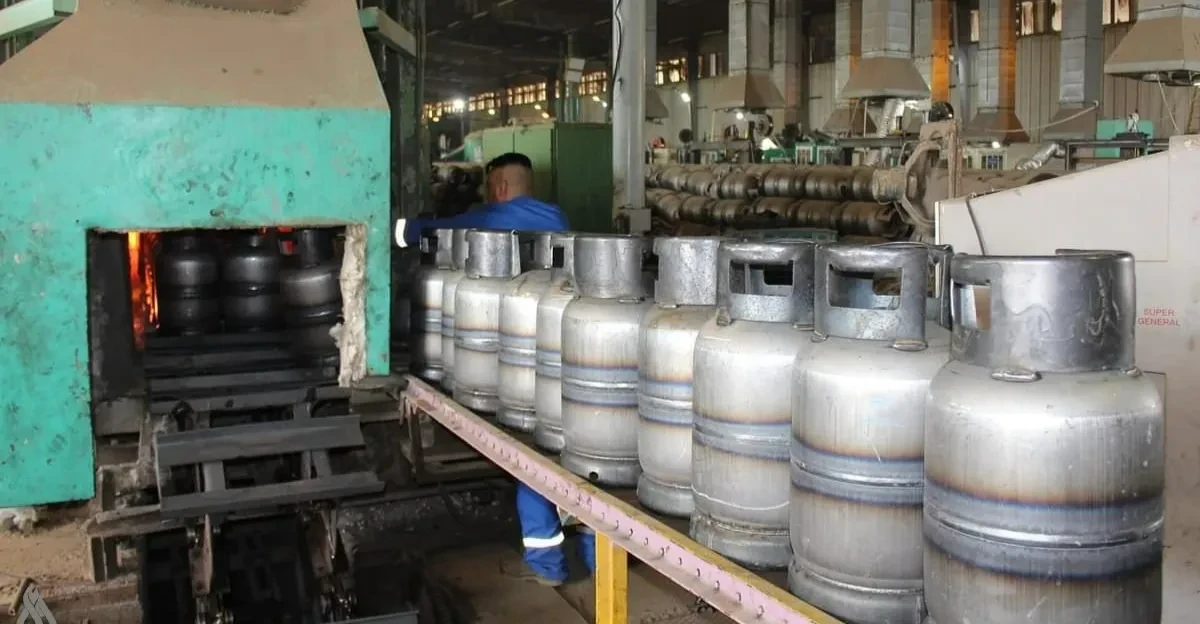
Long queues at distribution stations, soaring cylinder prices, and growing public frustration point to a cooking gas shortage across Iraq, contradicting repeated official assurances that supplies remain sufficient, particularly in low-income neighborhoods.
Um Aliya, a 55-year-old widow living in a popular district of Karbala, described the situation as a crisis caused by limited availability. “Gas has been unavailable for some time, so I had to rely on street vendors, where a cylinder costs around 15,000 dinars ($9.70),” she told Shafaq News, noting that the price exceeds her financial means due to the lack of a stable income.
According to Iraq’s Oil Ministry spokesperson Abdul-Sahib Bazzoun Al-Hassnawi, the current situation is driven by rumors and public panic rather than an actual shortage. “Daily liquefied gas production stands at around 4,500 tons, compared to consumption of approximately 4,700 tons, with a strategic reserve of about 50,000 tons,” he stated, adding that production reached higher levels during the winter peak. He noted that moderate weather has reduced demand for heating, and the ministry will increase output while urging citizens not to hoard cylinders.
He indicated that some transporters create artificial shortages to generate illegal profits, noting that authorities have detained violators and revoked licenses. He pointed to the broader context of regional conflict, while confirming that gas production remains ongoing.
Economic researcher Ahmed Eid said the crisis reflects structural weaknesses rather than temporary price increases or public panic. He explained that Iraq’s fuel distribution system relies partly on imports and a delicate balance between domestic production and rising demand, particularly with increased use of gas for vehicles as a cheaper alternative.
“Disruptions to transport routes, rising shipping costs, and broader pressure on the energy sector have worsened the situation, directly affecting citizens through limited access to cooking gas and higher transportation costs.”
Energy expert Asim Jihad warned that the imbalance between production and consumption could persist, noting that declining production and refining capacity, particularly due to disruptions in the Strait of Hormuz, pose a significant challenge for securing petroleum derivatives. He added that the current phase requires reducing reliance on imports, implementing regulated quota systems to limit waste, and distributing gas through the ration card system to ensure fair access.
Local authorities have introduced measures to address the situation. In Diyala, the provincial council, headed by Omar Al-Karawi, announced steps including banning gas smuggling outside the province, tightening oversight at checkpoints, organizing distribution to residential areas, and taking legal action against violators.
In the Kurdistan Region, authorities in Erbil and Al-Sulaymaniyah have implemented electronic distribution systems linked to the ration card to ensure monthly allocations reach residents and prevent market manipulation, while directing local officials to act against price violations and irregularities in distribution.