Fears of Iraqi market closures push Baghdad families to stock up


Shafaq News- Baghdad
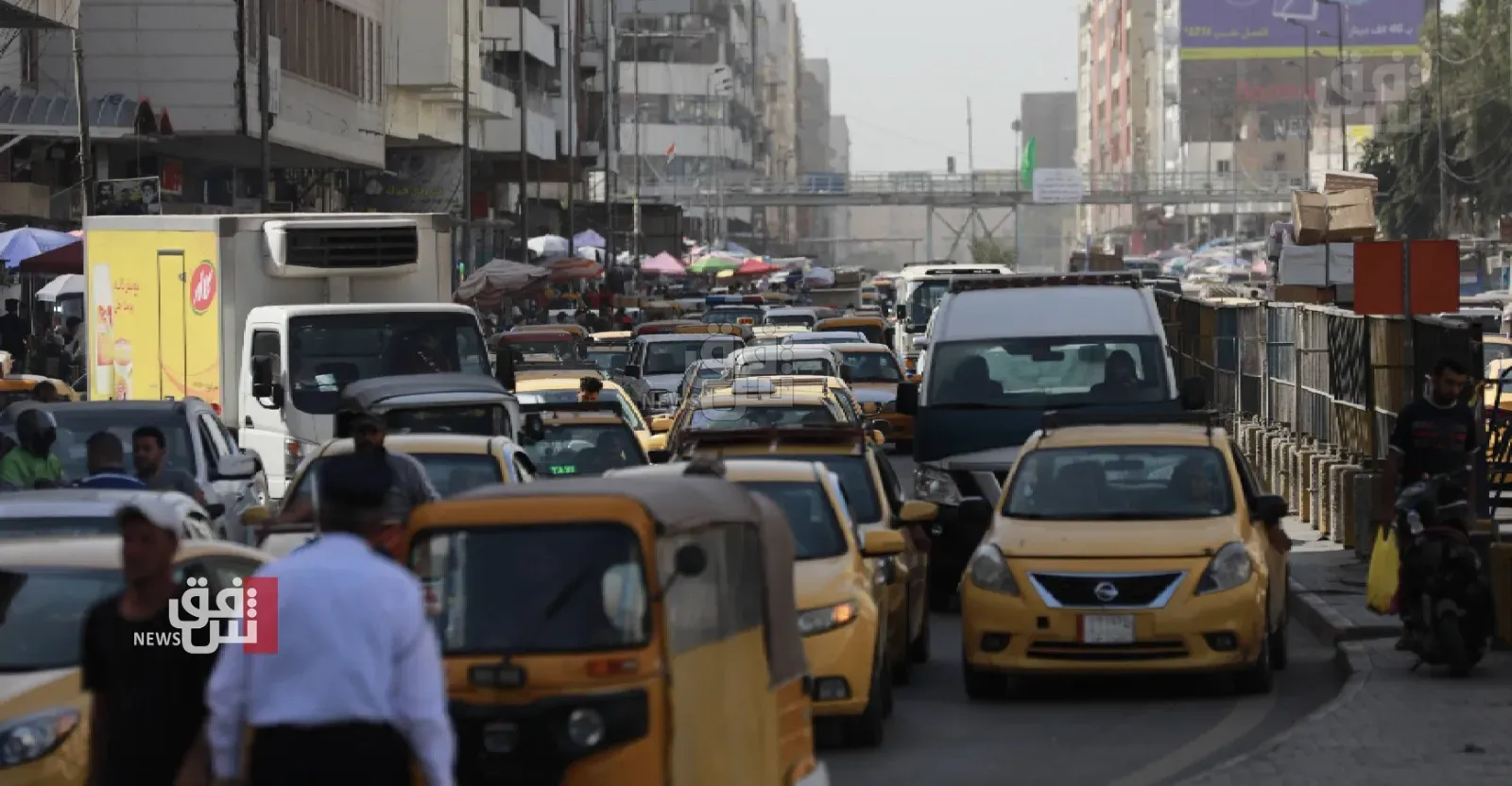
By mid-morning on Saturday, Baghdad’s commercial districts were already crowded, with shoppers moving quickly between stalls and grocery shops to buy sacks of rice, cooking oil, and other essentials, many driven less by immediate shortage than by anticipation.
Iraqi traders had warned through media statements that markets could shut down in protest against the government’s decision to raise customs tariffs. The call for a general strike on Sunday, expected to affect border crossings and commercial hubs, turned that warning into a tangible risk, prompting families to secure supplies before any disruption could take hold.
“I don’t know how we are supposed to sustain our lives amid harsh measures that ignore the difficult conditions citizens already face,” Um Ali, a 45-year-old public-sector employee, told Shafaq News, explaining that she had spent her savings on food and household necessities, fearing that prices could surge if trade slows and supplies tighten.
Her concern is not unusual, as for many households, price fluctuations represent immediate pressures on daily life, particularly in a country where imports dominate food and consumer markets and where even small changes in customs duties can quickly filter through wholesale and retail chains.
Others, like 55-year-old schoolteacher Abu Mohammed, view the prospect of a shutdown as a sign of wider strain. Speaking to Shafaq News, he compared a full halt in commercial activity to a form of internal siege driven by financial pressures and policy decisions disconnected from market realities. “Despite Iraq’s vast oil wealth [which fuels 90% of the country’s budget], many families continue to live close to subsistence, while promised improvements rarely materialize in measurable ways.”
At the margins of the economy, the consequences could be more immediate as Um Ghayeb, a 60-year-old woman who collects aluminum cans for a living, explained that “if markets close, daily work disappears with them,” cutting off income and, in some cases, access to food itself.
On social media, Iraqis, both traders and residents, have echoed these concerns in personal posts and comments, describing how the prospect of market closures and rising costs is affecting daily life. They question the direction of economic policy and the state’s ability to contain inflation. Temporary closures in areas such as Shorja, Al-Waziriyah, Jakuk, Bab al-Muadham, and several industrial districts have already disrupted commercial routines and intensified debate over fiscal management.
♦️في الشورجة والوزيرية وجكوك وباب المعظم والحي الصناعي .. ♦️تجار عراقيون يعلنون إغلاقاً شاملاً للأسواق اعتراضاً على التعرفة الجمركية الجديدة 🔺يمثل إغلاق الأسواق من قبل التجار مؤشراً خطيراً على اختلال التوازن بين السياسات المالية والواقع التجاري في العراق. فالزيادات المفاجئة… pic.twitter.com/RhP5rKu9jd
— حليم سلمان (@halim66salman) February 7, 2026
The mechanics of rising costs are widely understood: higher import expenses feed into wholesale prices and ultimately reach consumers whose incomes have largely stagnated, eroding purchasing power.
الصاعق الذي سيفجر أوضاع العراق ازمه الرواتب + صعود الأسعار وانشغال الطبقه السياسيه بالصراعات الجانبيه وصفه مثاليه لانهيار مؤسسات البلد@MofIraq#العراق_بصورة_أوضح #الاطار_التنسيقي pic.twitter.com/bvvdx2Hy8X
— 🇮🇶 عـ░ـمـ░ـآرٍ (@AmmarMKadom1) February 5, 2026
Suspensions of trading have also taken on symbolic weight, with many Iraqis regarding merchants as informal indicators of economic health, and when businesses halt activity, it is often seen as a sign that margins have narrowed and risks have risen beyond sustainable levels. Empty stalls, in this sense, affect public confidence as much as they interrupt commerce.
Public concern now extends beyond prices to questions about financial stability, especially with rumors about withdrawal limits, payment delays, or declining liquidity circulating widely, sometimes shaped by comparisons with crises in neighboring countries such as Lebanon.
قرار إغلاق تجار العراق للأسواق قد يكون بداية شرارة ثورة مشابهة لما حدث في دولة أخرى، حيث بدأت احتجاجات شعبية انتهت بانتفاضة كبيرة.هذه الانتفاضة جاءت كرد فعل تعويضي على أزمة السلطة الناتجة عن هدر المال العام وصفقات القرن الفاسدة، التي بدأ المواطن يدفع ثمنها الباهظ اليوم.انعكست…
— خالد جمال الناصري (@k_a_h_led) February 6, 2026
Many citizens also see rivalries and internal disputes dominating the political scene while economic pressures intensify.
Memories of earlier protest waves also linger. Iraqis recognize how economic grievances —especially those tied to living costs and employment— have historically fueled wider unrest, even as years of instability have left much of the public wary of prolonged confrontation.
Rather than a sudden collapse, many now describe a gradual decline marked by higher living costs, limited income growth, and uncertainty about the future. In that sense, rising prices and disrupted trade are widely seen not as isolated developments but as symptoms of deeper structural challenges, whose impact depends as much on public expectations as on economic indicators.
العراق على حافة الانهيار المالي… وصمت الدولة يقتل الاقتصاد!اليوم العراق يمر بمرحلة خطيرة جدًا تشبه ما مر به لبنان في بدايات التقشف والانهيار المالي.المصارف أصبحت لا تعطي المواطن أو التاجر أكثر من خمسة ملايين دينار، وهذا عمليًا يعني:•حجز اموال الشركات والمُستثمرينحجز… pic.twitter.com/nT4U7JIi9u
— Mustafa Altalqani (@MustafaAlt58933) February 4, 2026
Read more: Delayed reform or fiscal shock? Iraq’s tax measures test state capacity