War of Isolation: US–led pressure collides with Iran’s push to reinforce influence


Shafaq News – Baghdad
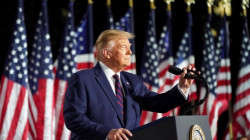
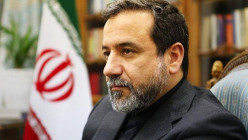
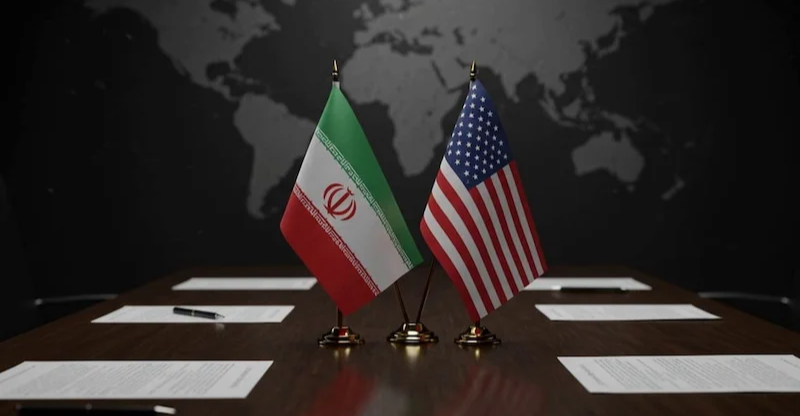
Regional dynamics in the Middle East continue to shift as Iran seeks to reassert its influence following two years of military escalations, while the United States, Israel, and several European governments push to limit Tehran’s regional reach.
Analysts noted that Washington and its allies are pursuing what they describe as a strategy of political and regional isolation targeting Iran.
War of Isolation
Researcher Saleh al-Qazwini argued that this approach aims to elevate Israel’s position in the region and discourage Arab states from engaging with Tehran. Speaking to Shafaq News, he pointed out that the United States continues to apply maximum pressure on Iran regarding its nuclear program and military capabilities, while promoting arms sales to regional partners by portraying Iran as a key threat.
Despite these pressures, al-Qazwini noted that Iran has sought to blunt Western influence by engaging neighboring states and managing tensions, though he expects US pressure to intensify in the near term.
Read more: Iraq between two fires: Tehran and Washington eye Baghdad’s post-election phase
Iran’s Pivotal Position
Political analyst Imad al-Musafir said the recent military confrontation between Iran and Israel has reshaped strategic calculations in the Middle East, demonstrating—according to him—Iran’s political and military leverage backed by major international powers.
In an interview with Shafaq News, Al-Musafir predicted that “current regional dynamics are trending toward de-escalation as Israel faces internal strain, while Washington appears more inclined toward regional stability, giving Iran a decisive role in determining the direction of events.”
Post-Election Expansion
Political science professor Sam al-Faili describes Iran’s regional posture as a “struggle for survival,” rooted in policies dating back to 1979. He told Shafaq News that “Iran’s influence remains entrenched in Lebanon, Palestine, Iraq, and Yemen,” and cited European reports claiming that Tehran recently renewed funding to Hezbollah, exceeding one billion dollars.”
Read more: Lebanon: A nation unraveling tensions overshadow independence
He pointed to the strong electoral performance of Iraqi lawmakers aligned with the “Axis of Resistance*” According to al-Faili, upcoming US diplomatic engagements in Iraq will likely carry new political and security messages amid ongoing Iranian–American–Israeli tensions.
Factions and MP’s
In a related assessment, Haitham Al-Heeti of the University of Exeter says Iraq is moving gradually toward deeper alignment with Iran, with armed factions expanding their political influence. Al-Heeti considered the current phase as the most sensitive since 2003, arguing that Washington’s ability to counter this shift is limited. He also noted that a visit by State of Law Coalition leader Nouri al-Maliki to Erbil could signal efforts to consolidate political alliances that reshape Iraq’s governing structure.
Political researcher Nawal al-Moussawi offered a contrasting view, stating that Iraq’s political landscape remains unsettled and divided among Shiite, Sunni, and Kurdish blocs. She contended that Iran’s regional strategy faces increasing obstacles and that its influence—particularly in Iraq—has narrowed.
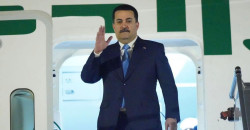
“The formation of Iraq’s next government will be a critical indicator of whether Baghdad can reassert sovereign decision-making independent of competing regional agendas,” Al-Moussawi said.
*A military alliance led by Iran and composed of armed groups across the Middle East that oppose US and Israeli influence in the region.
Written and edited by Shafaq News staff.