Surge in tribal clashes forces thousands to flee Maysan


Shafaq News
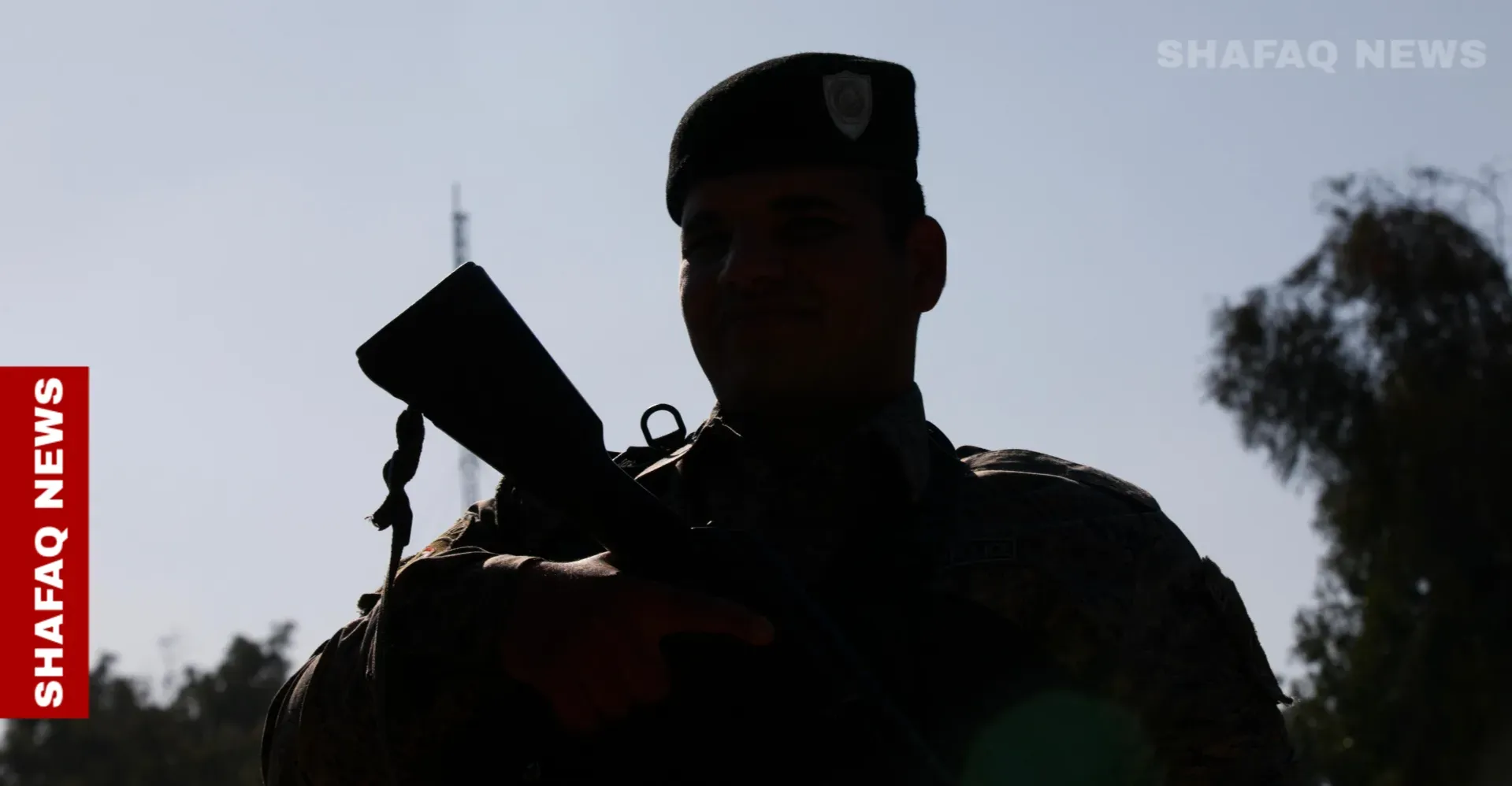
Tribal conflicts and an expanding drug trade have pushed Maysan Province into one of its most severe security crises in years, forcing thousands of residents to flee as violence escalated.
Maysan Provincial Council member Hussein Al-Marriani told Shafaq News the province faced “serious security disorder,” noting that security forces made continuous efforts while tribal groups “grew more unruly by the day.”
Recent incidents underscored the deterioration: the killings of the electricity department director, a retired school principal, and army personnel on duty, along with public displays of rockets and heavy weapons during the funeral of a tribal figure.
Daily Clashes
According to Al-Marriani, Maysan recorded at least two armed tribal clashes each day and required “a specialized security force and a police commander who fully understands its social dynamics and population structure.” He listed three principal drivers of instability—tribal disputes, organized criminal networks, and drug trafficking—and described recent visits by the prime minister and the interior minister as “formal and largely symbolic,” producing no meaningful change on the ground.
In January 2024, the Ministry of Interior launched a program to buy weapons from civilians through the government’s “Ur” digital platform and opened dozens of field centers for the campaign. The Cabinet had earlier allocated 15 billion Iraqi dinars from emergency reserves to support the initiative, intended to regulate arms and restrict them to state control.
Former Azir subdistrict director Kazem Daryoul reported that more than 6,000 residents were displaced in recent months, calling the figure “alarming.” Most families, he said, left rural and border villages for Amara, Basra, and other areas because of persistent tribal clashes and water shortages, particularly along the Amara River.
Radical Solutions
Estimates show that, outside the Kurdistan Region, Iraq holds between 13 and 16 million light and medium weapons, including Kalashnikov rifles, PKC and RPK machine guns, and various mortars and RPG launchers.
Former Kahla District Council member Maytham Sabeeh Al-Ghannam called for coordinated action between security, judicial, and administrative bodies. He urged the prime minister, the defense and interior ministries, the governor of Maysan, and the provincial council to “assume their legal and administrative responsibilities toward the province.”
Al-Ghannam pressed for the execution of more than 4,000 outstanding arrest warrants and for action against celebratory gunfire, while insisting that no party should interfere in legal procedures. Intelligence held by the National Security Service, the Intelligence Service, and the Interior Ministry’s intelligence agency, he said, should guide operational plans since many perpetrators of shootings, tribal conflicts, and drug-related crimes were already identified.
He called for an emergency high-level meeting to consolidate intelligence and develop multiple plans to pursue wanted individuals, warning against symbolic measures such as temporary street deployments, checkpoint operations, and road closures, which he noted, “have never resulted in the arrest of any dangerous fugitive.”
Al-Ghannam emphasized safeguarding citizens’ dignity, avoiding random searches or raids, and preventing leaks of sensitive information. He also proposed “assigning a security force from outside the province to implement these measures.”