Opinion: Washington pursues regional de-escalation through fragile frameworks


Shafaq News- Washington
A tentative push to ease tensions in the Middle East is taking shape —from Lebanon-Israel talks to the reopening of the Strait of Hormuz— two political experts briefed Shafaq News on Saturday, while cautioning that the underlying drivers behind these tensions remain firmly in place, limiting prospects for a lasting breakthrough.
According to Professor Paolo von Schirach, head of the Global Policy Institute at Bay Atlantic University, the unprecedented direct contact between Lebanon and Israel marks an “extraordinary diplomatic breakthrough,” situating it within a broader US effort to wind down the Lebanese front amid mounting domestic economic pressure.
He stressed that the core challenge for Washington remains Iran rather than Lebanon, tracing the origins of the crisis to Tehran’s long-standing effort to “turn southern Lebanon into a sphere of influence through Hezbollah,” which he described as “a military entity parallel to state sovereignty.”
While ongoing negotiations indicate a willingness to explore mechanisms to limit the group’s role in the south, von Schirach is skeptical over the likelihood of Hezbollah voluntarily disarming.
“As long as Iranian supply lines remain active, even at a minimal level, the group dissolving itself is not an option,” he noted, adding that despite heavy Israeli strikes on Hezbollah infrastructure and the killing of key figures, including former Secretary-General Hassan Nasrallah, the organization continues to function.
From Washington’s standpoint, Iran’s nuclear program continues to dominate strategic calculations. “I do not believe concessions in Lebanon will lead to nuclear concessions from Tehran,” he observed. “The nuclear program represents Iran’s most important strategic asset. Giving it up would mean losing all leverage. A voluntary abandonment remains far-fetched.”
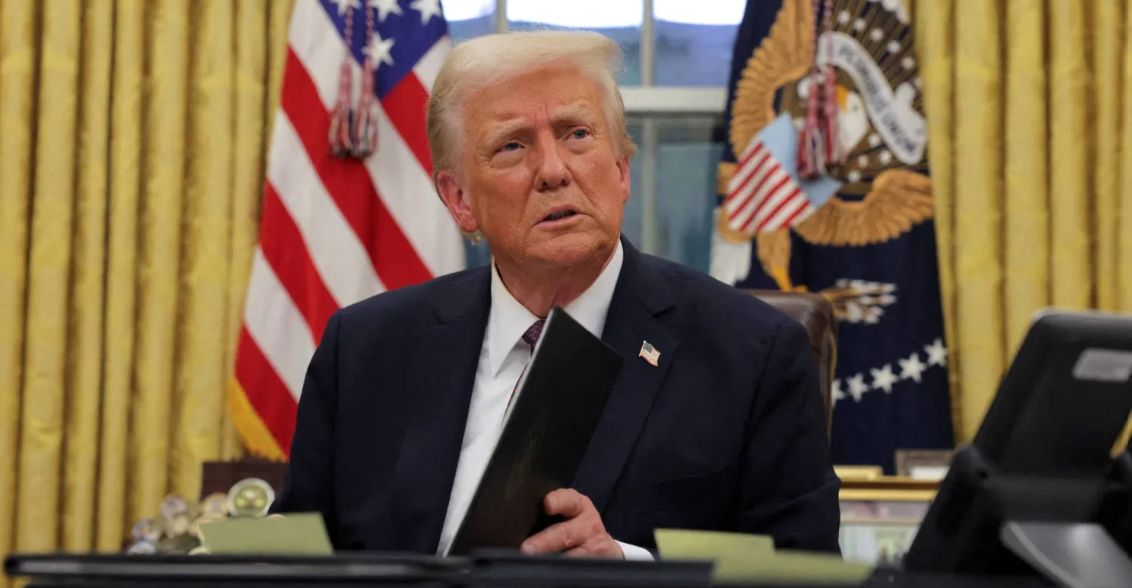
He also noted domestic pressures shaping US policy, particularly rising gasoline prices tied to regional instability. “The American voter focuses on purchasing power,” he added, while indicating that President Donald Trump faces pressure to contain the conflict while delivering a tangible outcome that justifies the costs involved —something that has yet to fully materialize in the Iran file.
Read more: US-Iran talks collapse; Analysts warn of high escalation risk as ceasefire deadline nears
Meanwhile, Thomas Warrick, a senior fellow at the Atlantic Council, underlined the growing importance of maritime dynamics, particularly Iran’s move to reopen the Strait of Hormuz to commercial shipping following the recently implemented US-Iran temporary ceasefire.
Describing the step as a possible signal of a “genuine” effort to reduce tensions, he cautioned it could also function as a calculated measure aimed at introducing transit fees later.
The uncertainty, he assessed, reflects a broader strategy as the United States maintains a naval presence in the Gulf of Oman under what he characterized as a policy of “caution and pressure,” designed to prevent any shift toward financial or strategic leverage.
Pointing to “real hope” that the Strait will remain open, he underlined that emerging diplomatic momentum, particularly over the past 24 hours, has generated measurable progress, though “fundamental and complex issues” remain unresolved.
Earlier this week, Trump maintained that Iran has agreed to suspend its nuclear program “indefinitely,” describing a potential deal as “nearly complete.” He also indicated that Tehran is seeking direct engagement, while Washington has yet to finalize the official who will lead the US delegation for any signing ceremony.
Axios reported that US and Iranian officials could meet as soon as this weekend to finalize a three-page framework aimed at ending the current standoff. According to US officials familiar with the process, several core issues remain unresolved. One proposal under consideration involves releasing up to $20 billion in frozen Iranian funds in exchange for Tehran relinquishing its enriched uranium stockpile and accepting a halt to enrichment activities.
Trump, however, maintained that Iran would not regain access to frozen assets under the current terms under discussion. He further insisted that the United States would not lift its naval blockade before a final deal is reached, while underscoring the strategic importance of keeping the Strait of Hormuz open to global shipping.
Iran has not confirmed any commitment to suspend its nuclear program. Meanwhile, Iranian Parliament Speaker Mohammad Bagher Ghalibaf warned that transit through the Strait would operate only along “designated routes and with Iran’s permission,” adding that the waterway would not remain open if the blockade continues.
For Shafaq News, Mostafa Hashem, Washington, D.C.