No longer seasonal: When the rivers stop, villages follow


Shafaq News
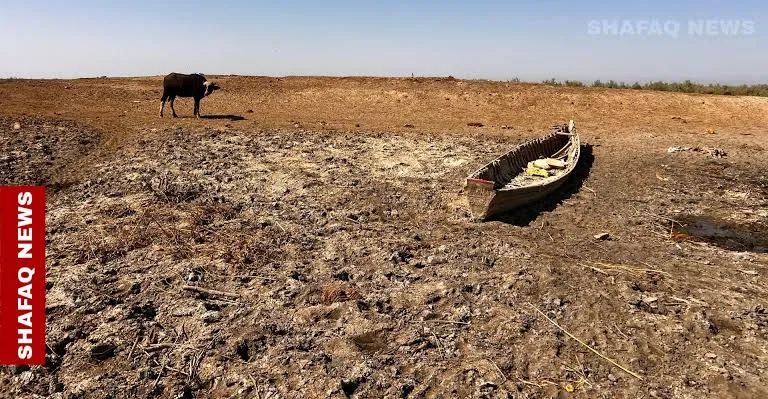
Water scarcity is tightening its grip across southern Iraq, shifting from a seasonal strain into a prolonged crisis that is emptying villages, crippling agriculture, and pushing fragile ecosystems toward collapse. In Maysan province, the drought has moved beyond the marshes and into the rivers themselves, leaving communities with shrinking access to drinking water and accelerating a quiet but steady displacement.
Since early 2025, reduced water releases, failing treatment plants, and extended dry spells have combined to cut off reliable supplies across wide rural areas. With most water stations out of service, families increasingly depend on tanker trucks—when they are available at all. Others travel more than 30 kilometers to reach river headwaters in search of usable water. The marshes, once a buffer against drought, have dried up entirely, laying bare the scale of the crisis.
Read more: Green turning grey: Inside Iraq's accelerating desertification
Environmental activist Mortadha Al-Janoubi warned that the situation is sliding toward “serious humanitarian and environmental consequences” if current conditions persist. Speaking to Shafaq News, Al-Janoubi said the drought effectively began in April 2025, prompting about ten protests in the districts of Al-Kahla and Al-Mashrah, where residents demanded their water allocations. None of those protests led to tangible results.
As drinking water vanished, migration followed. Al-Janoubi said even purchased water has become increasingly scarce after most treatment facilities shut down. Livestock and fish stocks have collapsed, farming has all but stopped, and dozens of villages have been abandoned as families search for places where water is still accessible.
“The situation is extremely tragic,” he said, noting that drought has now reached the rivers themselves, with no signs of renewed releases as reservoir levels across Iraq continue to fall. He added that the crisis cannot be attributed solely to upstream countries, pointing instead to weak government negotiations over water shares. “Local communities are not concerned with political deals,” he said. “They just want water to survive.”
The warnings from Maysan come as Iraq faces overlapping pressures from climate change, declining rainfall, and reduced inflows from upstream states, particularly Turkiye. In response, the government has cut cultivated areas and promoted modern irrigation as an emergency measure to conserve what remains of the country’s water resources.
On the ground, however, the damage is already reshaping rural life. Intensifying drought across southern provinces is driving demographic change, eroding food security, degrading soil quality, and destabilizing long-standing ecological balances. Al-Janoubi said residents have exhausted every means of appeal, from protests and road closures to media outreach, yet the water keeps receding, leaving communities in Maysan facing an increasingly uncertain future.
Read more: Legacy of the ‘Two Rivers’: Iraq races to save the remains of Mesopotamia
Written and edited by Shafaq News staff.