Muharram in Iraq: New year becomes a season of mourning


Shafaq News- Baghdad
For much of the world, a new year carries connotations of celebration and renewal. In Iraq, the opening of the Islamic Hijri New Year, marked by the arrival of Muharram, the first month of the lunar calendar, unfolds in a different register entirely.
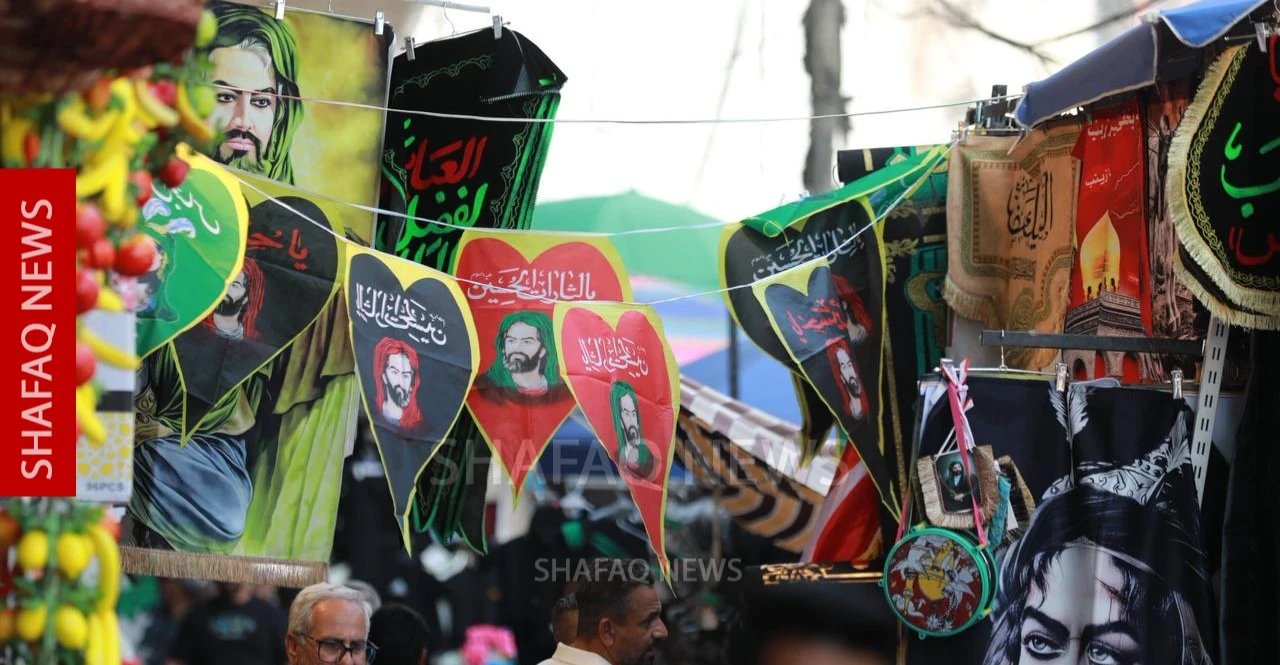
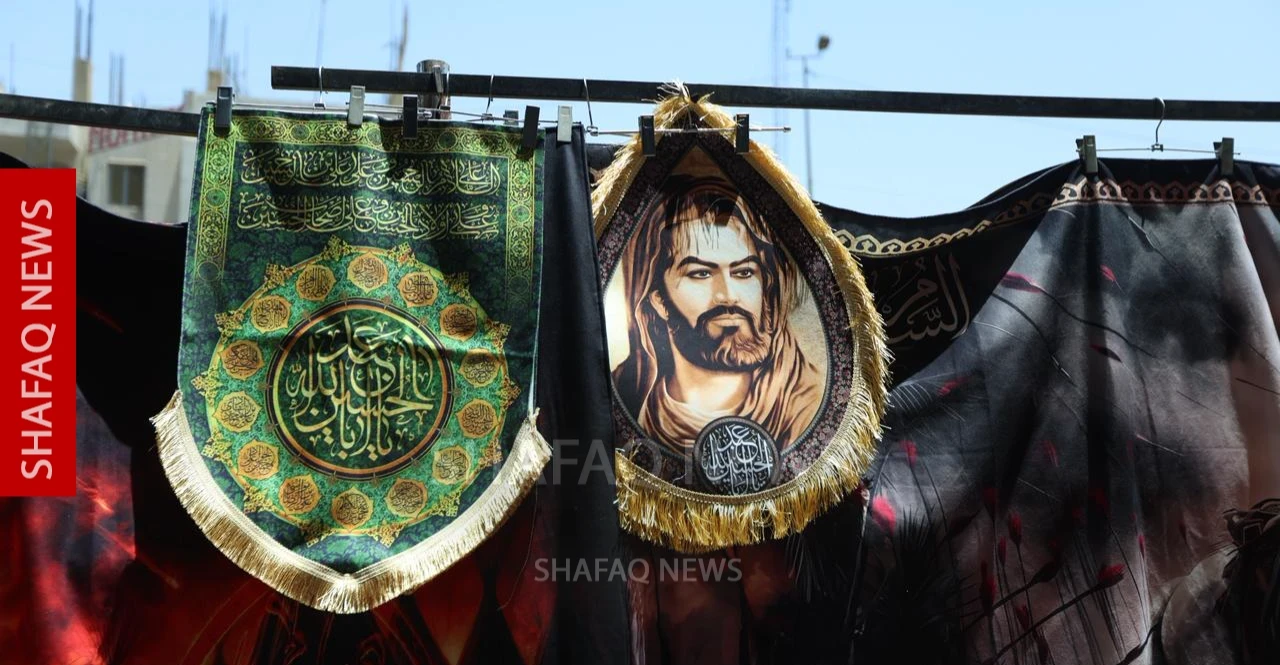
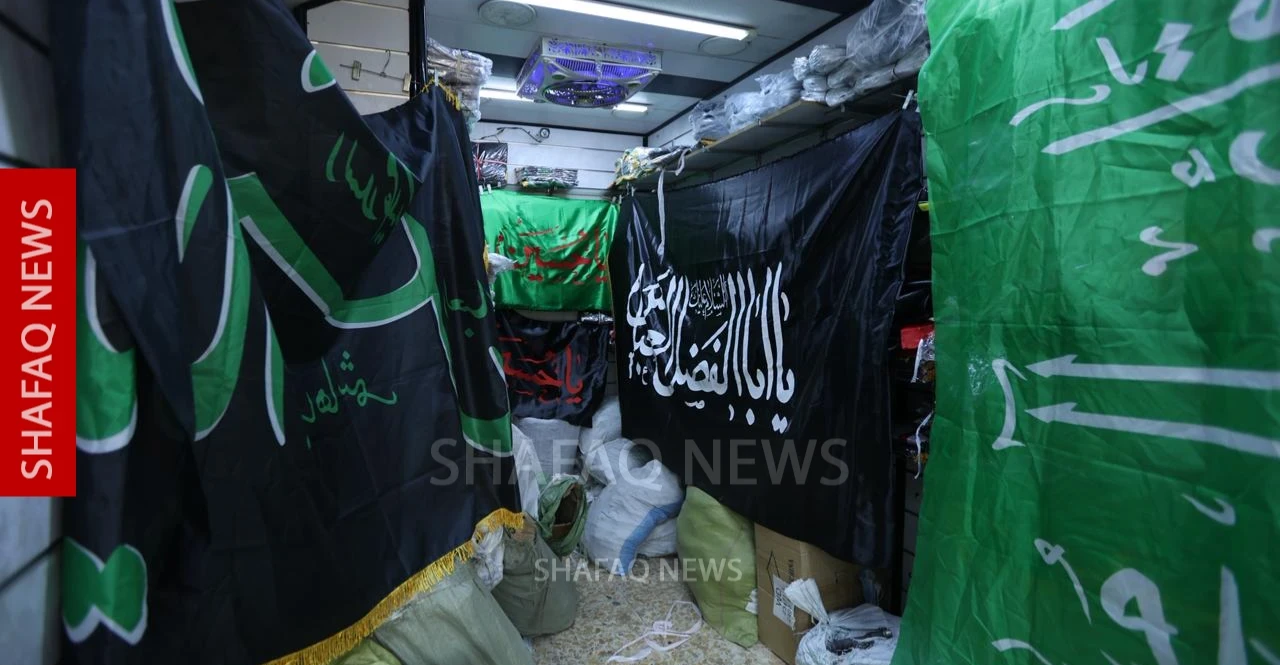
Markets shift their displays to black fabric and mourning banners. Kitchens begin preparing communal meals for the needy. Husseiniyas, the dedicated halls where Shia Muslim communities hold religious and commemorative gatherings, open their doors and arrange their halls for weeks of mourning councils. Volunteers begin collecting donations. The country, in measured but visible ways, prepares for one of the most consequential religious seasons on earth.
A Country Shaped By Faith
Iraq's population is approximately 95 to 98 percent Muslim. Of that majority, an estimated 64 to 69 percent are Shia Muslims, with Sunni Muslims comprising 29 to 34 percent. The remainder includes Christians, Yazidis, Mandaeans, and other communities who have inhabited this land for centuries. Iraq is, in short, a country where Islam, and specifically Shia Islam, shapes the religious life calendar, commerce, and public space.
Globally, Shia Muslims number between 320 and 400 million, representing roughly 20 percent of the world's Muslim population. The majority are concentrated in four countries: Iran, Pakistan, India, and Iraq. Iraq holds a singular place among them because it is home to the event that defines the Shia calendar, Karbala.
What Karbala Means
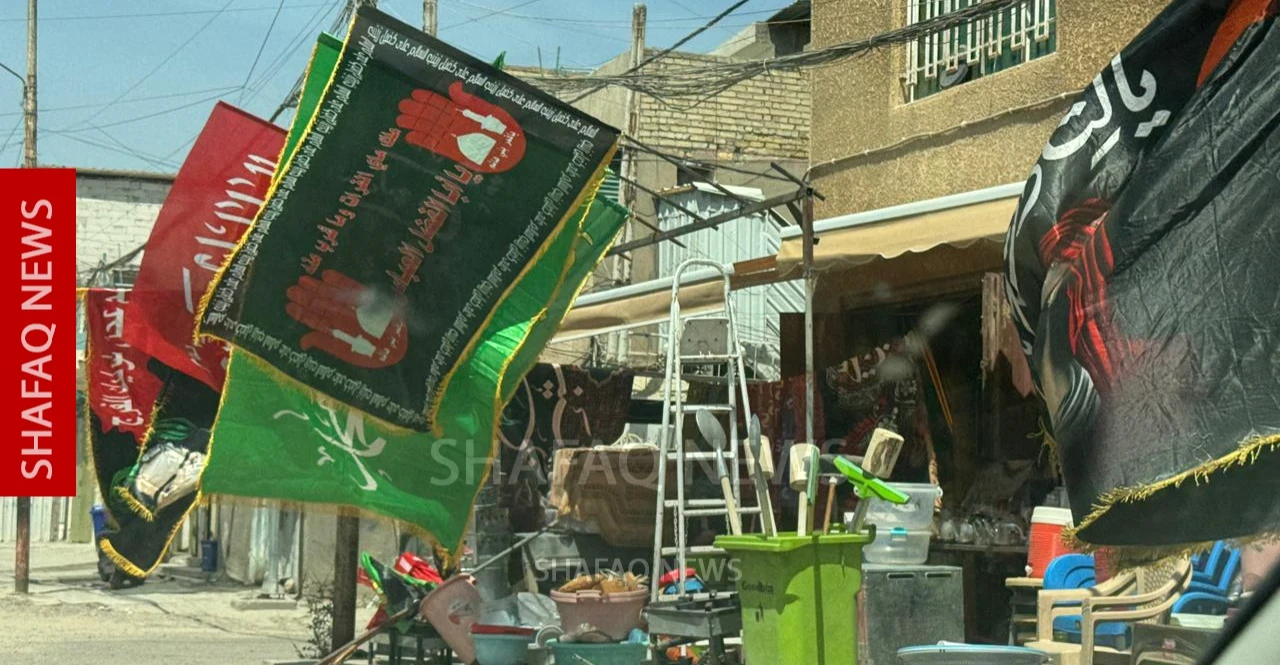
In 680 CE, Hussein bin Ali, the grandson of the Prophet Muhammad and the third Imam (spiritual leader) recognized by Shia Muslims, was killed alongside his family and companions at a site in central Iraq, then as now called Karbala, after refusing to pledge allegiance to the Umayyad Caliph Yazid ibn Muawiya. For Shia Muslims across fourteen centuries, it represents the definitive act of sacrifice in the face of injustice, a moral compass that continues to govern religious identity, political expression, and communal life.
Karbala, a city two hours south of Baghdad, is home today to the shrines of Imam Hussein and his brother Al-Abbas, and to a living tradition of pilgrimage that has grown steadily each year.
The Scale Of Observance
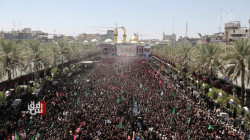
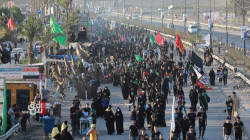
In 2024, the Arbaeen pilgrimage —held forty days after Ashura to mark the end of the mourning cycle— drew more than 22 million visitors to Karbala, according to Iraq's Ministry of Interior, making it the largest annual religious gathering on earth, surpassing even the Hajj, the annual Islamic pilgrimage to Mecca. Attendance figures have grown steadily: from 11.2 million in 2016 to 16.3 million in 2021 to over 22 million in recent years.
Ashura itself —the tenth day of Muharram and the climax of the mourning period— draws millions to Karbala from across Iraq and from Iran, Lebanon, the Gulf states, Pakistan, and beyond. In 2024, over 3.4 million foreign pilgrims entered Iraq specifically for the Arbaeen pilgrimage alone.
What Muharram Looks Like On The Ground
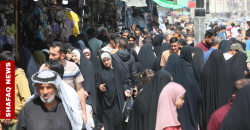
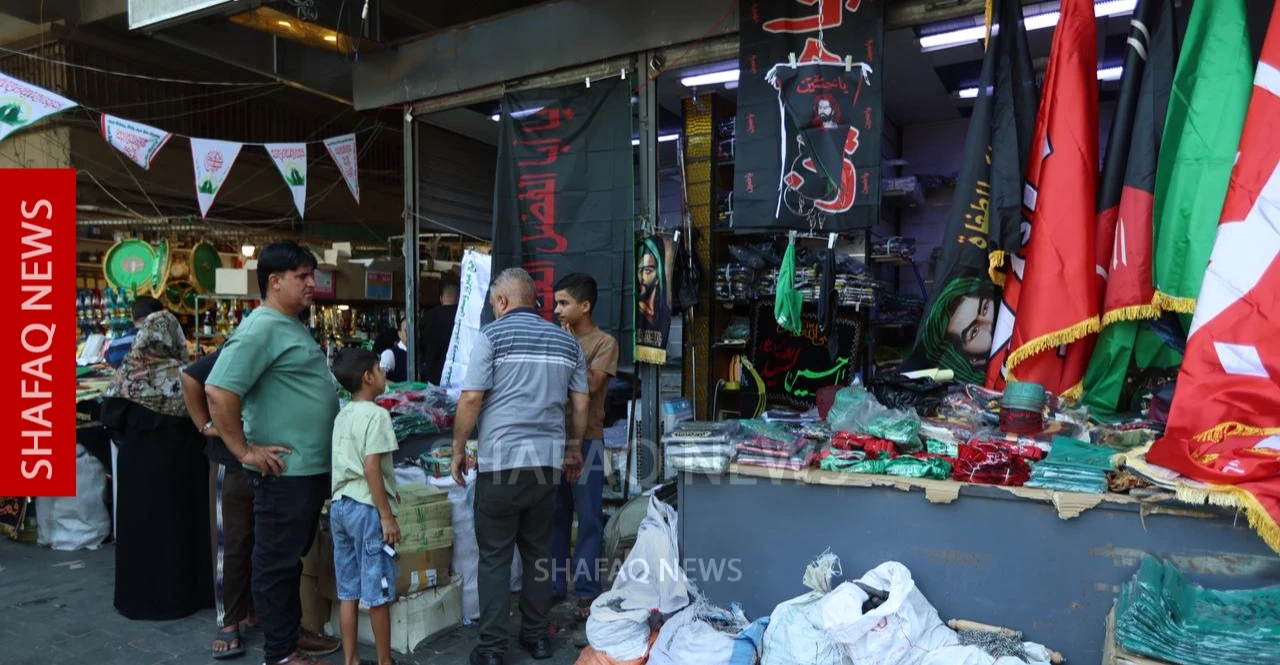
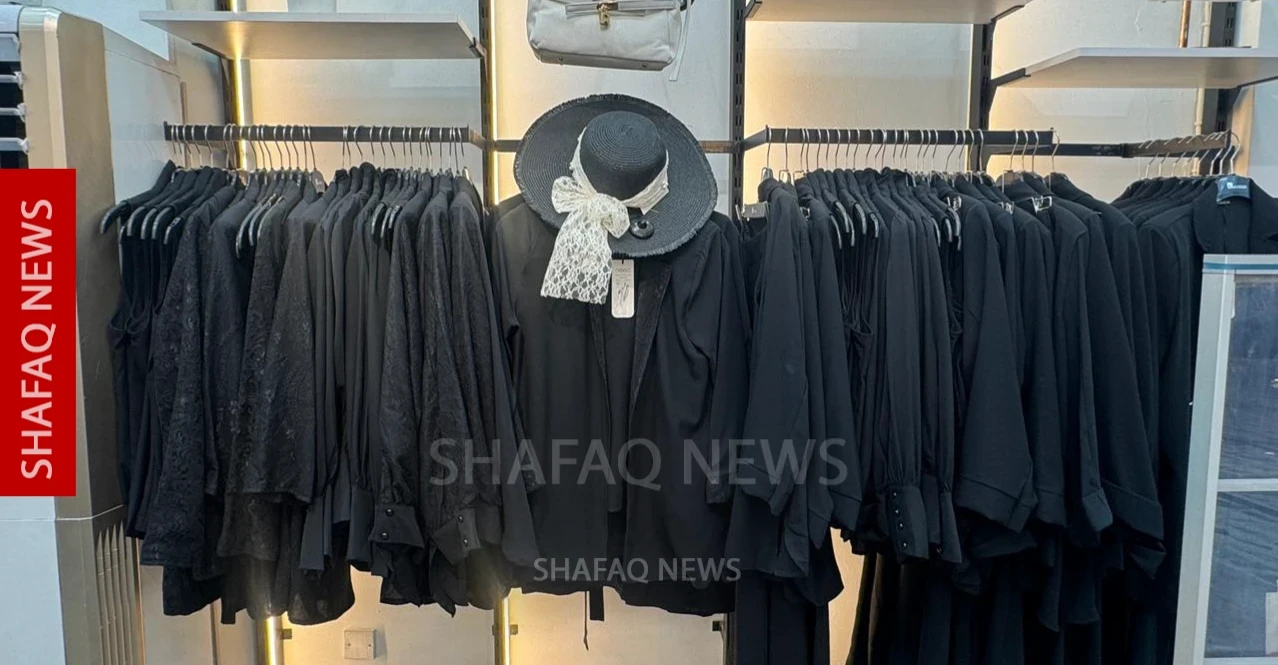
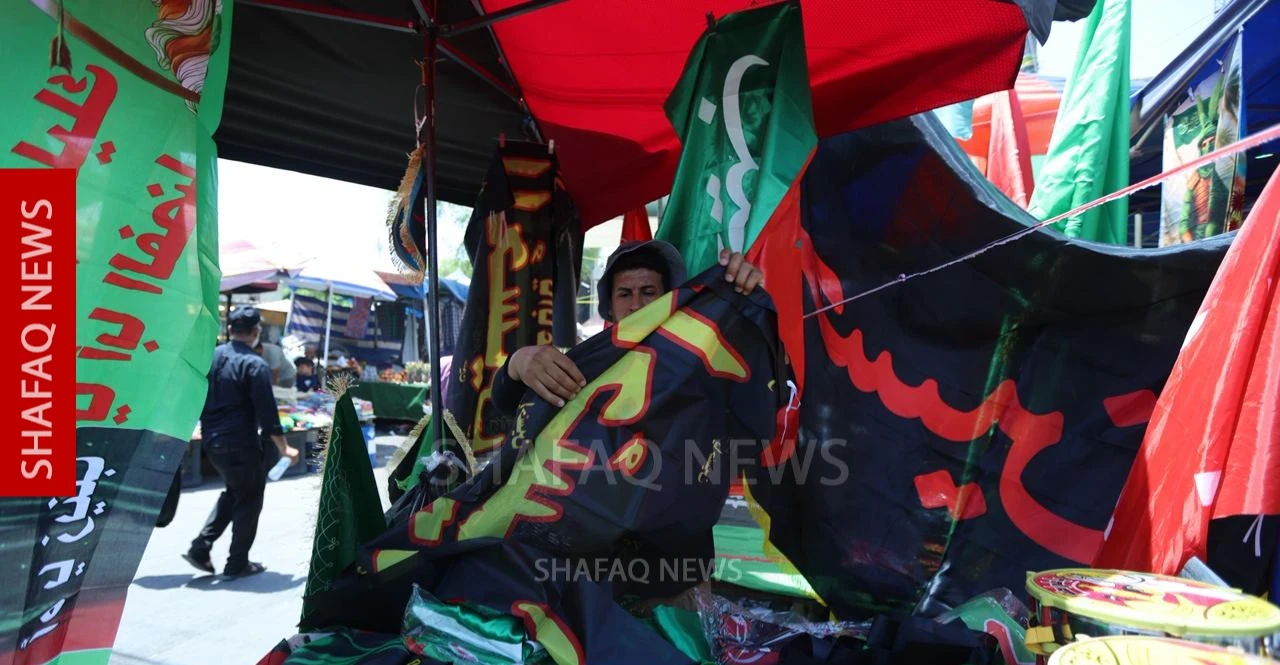
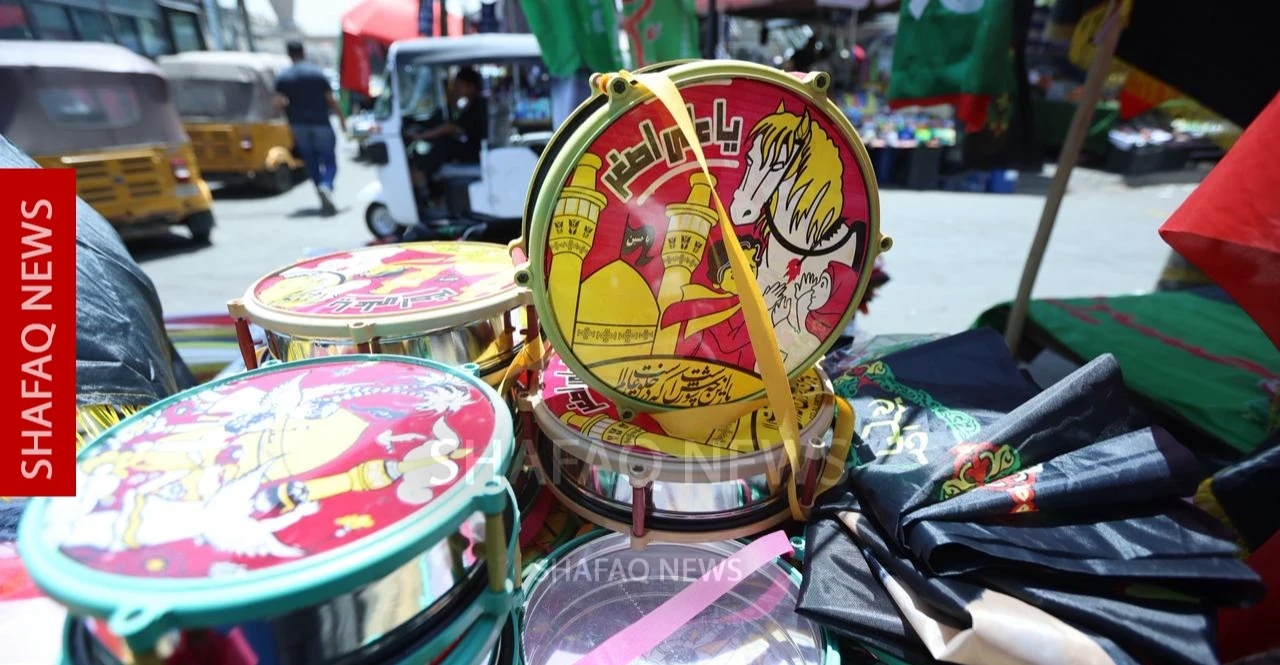
The season begins to take shape before the first day of Muharram arrives. In Baghdad's historic commercial districts, Al-Shorja, Al-Kadhimiya, Al-Sadr City, and Al-Kifah, shop displays shift. Black clothing, mourning banners, flags, and ceremonial fabric move to the front. Demand for black garments, particularly for women and children, rises sharply and, according to traders, exceeds commercial activity during the Eid holidays.
Food becomes part of the same mobilization. Mobile mourning caravans, known in Arabic as mawkib (singular: mawkib— a procession or organized group that provides food, water, and service to pilgrims and mourners), begin preparing communal meals funded by year-round donations. Free distribution of food, such as bread, tea, rice dishes, and prepared meals, is a defining feature of the season, rooted in a tradition of public service tied directly to the memory of Karbala.
In Al-Hilla, a city south of Baghdad with deep artisanal heritage, blacksmiths' workshops return to activity before Muharram begins, producing drums, flags, and ceremonial blades for Husseini processions. The month ties inherited craft traditions as firmly to religious observance as it ties ritual to commerce.
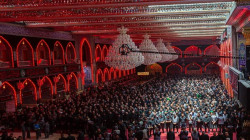
Across Iraq, Husseiniyas prepare their halls, sound systems, and seating for nightly councils of mourning, where reciters —religious poets and chanters trained in the oral tradition of commemorating Karbala— lead congregations in lamentation and reflection. These councils run for ten days through Ashura and, in many communities, for forty days until Arbaeen.
Who Observes — And How
Muharram is not exclusively a Shia affair. Sunni Muslims also observe Ashura, the tenth day of Muharram, as a day of optional fasting that commemorates separate events in Islamic and biblical history, including, according to tradition, the day the Prophet Muhammad himself fasted. Both Sunni and Shia Muslims regard Ashura as a day of deep importance and reflection, though they observe it through distinct theological and historical frameworks.
In Iraq, where Sunni and Shia communities have historically coexisted across the same cities and regions, most Sunni Muslims also mourn Hussein's death, though less publicly and with less ceremonial elaboration than their Shia neighbors. Iraqi Christians and members of other minority communities observe the season's social norms, abstaining from celebratory events, respecting the somber character of the period, as a matter of civic and neighborly custom.
What this means in practice for visitors, diplomats, and foreign officials is straightforward: weddings, public celebrations, and festive social events are considered deeply inappropriate during Muharram, particularly in the ten days leading to Ashura. Music in public spaces recedes. Storefronts reflect the season. The social atmosphere is one of collective mourning and public service, not festivity.
Tourism And Strategic Importance
Iraq has invested substantially in the infrastructure surrounding these religious seasons. Thousands of doctors and nurses from Iraq and abroad serve pilgrims during the period. Security deployments, crowd management systems, missing persons units, and multilingual guidance materials are coordinated across provinces and border crossings.
For foreign governments, Muharram is a period during which diplomatic scheduling, commercial delegations, and public engagements in Iraq require awareness of the calendar's significance. Events that conflict with the ten days of Muharram, or that fail to acknowledge the season, risk misreading the social and political environment in which they are operating.
Karbala's Place In The World
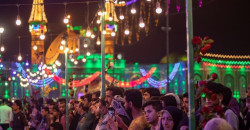
What distinguishes Iraq from other countries with significant Shia populations is that the event being commemorated happened here, on Iraqi soil, and the shrines that embody it remain here. Pilgrims do not travel to Iraq to observe Karbala from a distance. They travel to Karbala itself: to stand at the tomb of Imam Hussein, to walk the same ground, to participate in a tradition that, for Shia Muslims worldwide, constitutes one of the most direct acts of faith available to them.
By the time Muharram arrives each year, Iraq is doing what it has done for more than thirteen centuries: hosting the world's largest act of collective mourning, on the ground where that mourning began.
Read more: Discover Iraq: Karbala, where memory breathes and future beckons
Written and edited by Shafaq News staff.