Iran and Syria: Will regional developments break the freeze?


Shafaq News
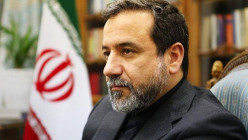
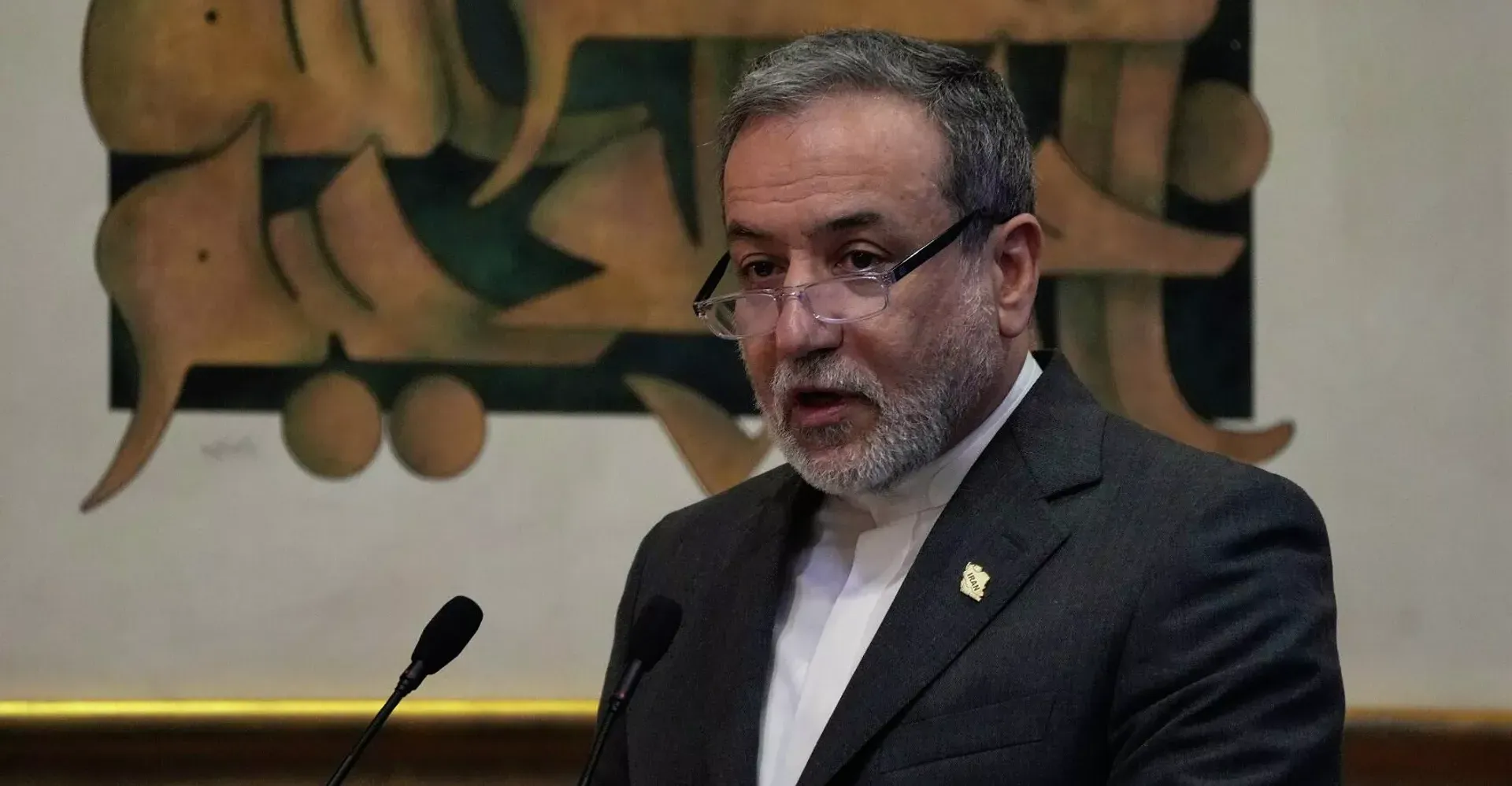
Iranian Foreign Minister Abbas Araghchi’s latest comments added nothing new to Iran’s long-standing position that diplomatic ties with Syria remain frozen. And although Syrian officials have noticeably reduced the sharp tone of their statements toward Iran, the question of diplomatic ties remains linked to other factors.
In a television interview with an Omani channel, Araghchi said that Tehran is closely watching developments in Syria “without rushing into a step toward normalizing relations,” adding that Iran feels no pressure to restore ties, as studying the political and on-the-ground situation remains a priority before any decision.
Iranian Debts
While Araghchi spoke in diplomatic language, it did not conceal Iran’s real perception of the new reality in Syria after the fall of Bashar Al-Assad, a major ally to Tehran. The atmosphere appears more complicated, especially as Iranian diplomatic and military officials speak openly about the need for Damascus to repay the debts that the Al-Assad regime accumulated over the past years, particularly during the war, which is totally rejected by the new Syrian government.
Meanwhile, Damascus has reopened its relations extensively with Russia, reflected in transitional President Ahmad Al-Sharaa’s visit to Moscow, while the reasons and obstacles blocking relations with Tehran remain unchanged.
Major Obstacles
Several factors continue to hinder Syrian-Iranian relations. The first, directly, is the hostility circulating among groups that support the al-Sharaa government toward Iran, due to Tehran’s support — and that of its regional allies — for Al-Assad during the long war. The second, and one of the most significant, is Syria’s relationship with the United States, which culminated in al-Sharaa’s visit to the White House. This naturally brings a degree of reservation toward any relationship with Iran, especially since improving ties with Washington depends on progress toward normalization with Israel — something that has not happened — and, in the near term, depends on how US–Iran relations evolve. These relations remain unclear amid expected Israeli escalation against Tehran, and the situation in Lebanon, particularly regarding Hezbollah, which was one of Assad’s strongest allies.
Interests Rekindle Ties?
Iranian officials insist that their country does not interfere in Syria’s internal affairs, but they always hint at their wish that Damascus not become a point of normalization with Israel. In return, Syrian officials repeatedly ask Iran not to intervene in their affairs or speak about them. Through this exchange of public statements, the suspended relationship continues.
But it is not completely severed. According to Shafaq News sources, indirect contacts between the two sides have begun under Turkish sponsorship. Several factors drive this: Turkish–Israeli tensions in Syria, the recent rapprochement between Ankara and Tehran, and the view shared by both that Israeli expansion in Syria is the region’s most serious threat. The possibility of Israeli escalation against Syria and Lebanon also places Damascus and Tehran on a relatively aligned path.
Talk of outright hostility between Syria and Iran after Al-Assad has begun to fade, giving way to a period of cool relations — something like a readiness to redraw the relationship according to the interests shaping both sides. The presence of influential regional mediators, such as Turkiye and Iraq, could play an important role, even though the rapid pace of regional developments prevents any firm conclusions.
Read more: Iran’s post-war strategy: Dual voices, unified deterrence
Written and edited by Shafaq News staff.