Drought pushes Iraq’s marshland communities into exodus


Shafaq News
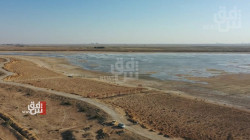
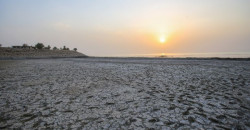
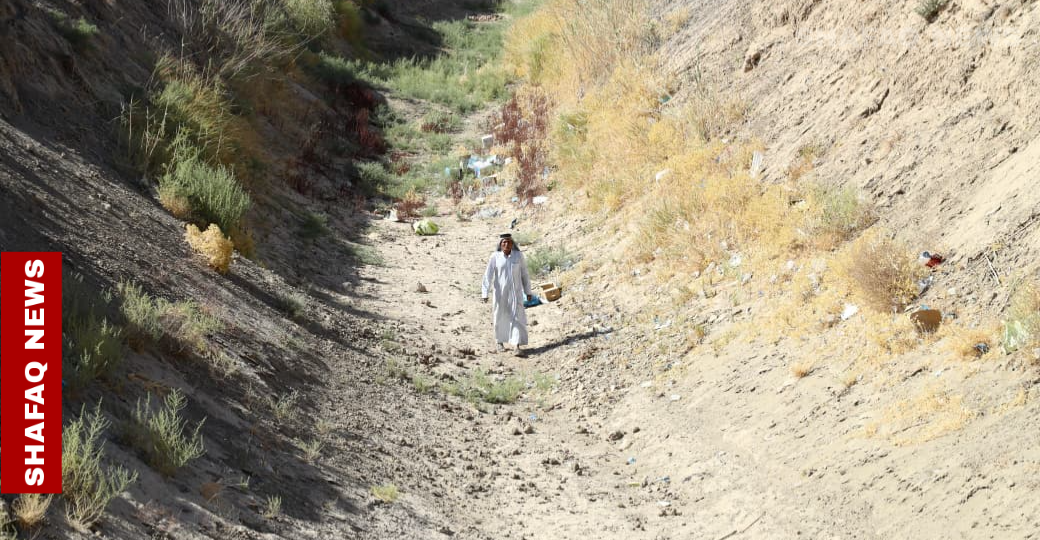
Across Iraq’s southern countryside, fertile villages have withered into barren ground, and families once tied to the land are abandoning homes, livestock, and traditions to seek life elsewhere.
Entire communities now face extinction as herders and fishing families lose the resources that sustained them for generations. What once symbolized abundance has become a daily struggle against scarcity.
A Widow’s Story
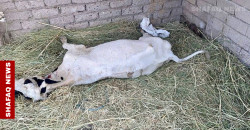
In a village in Maysan province, Um Hajar, a widow in her fifties and mother of three daughters, recounted how her life collapsed when the local river dried up and her buffalo perished. For decades, she survived by breeding animals and selling fish from nearby waters.
“I used to live on water, buffalo, and fish,” she told Shafaq News, her voice breaking with fatigue. “Today, there is nothing left, so I had to migrate to support my daughters.”
Her experience mirrors countless others across Iraq’s southern marshes, where families have lost livelihoods once tied to land and water.
Abu Karam, a veteran fisherman, described his struggle to earn money amid shrinking rivers and mass fish die-offs. “I have been a fisherman for 40 years,” he said. “I don’t know how to do anything else.”
Agriculture in Crisis
Farming remains the backbone of Maysan’s economy, yet drought has pushed households to sell buffalo at distress prices, abandon fields, and watch livestock perish.
Majid Jumaa Abdul-Hassan, director of Maysan’s Agriculture Department, warned that this year marks a particularly “dangerous” stage in the water crisis, forcing the cancellation of summer crops and delaying the winter farming plan. The Ministry of Agriculture has yet to finalize the 2025–2026 winter program, pending assessments of available supplies.
Agricultural advisor Mehdi Dhamad al-Qaisi told Shafaq News the ministry is considering alternatives such as closed-system fish farming and improved livestock breeding. But he acknowledged that limited funding has slowed progress.
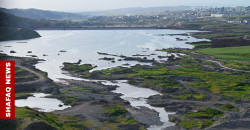
Shafaq News has previously reported that southern provinces like Dhi Qar, Basra, and Maysan have lost vast tracts of arable land over the past decade. Satellite data showed marshland areas shrinking by more than half compared to the 1990s. Herding families, once central to the marshland economy, saw their animals die off, while fishermen abandoned reed boats as rivers disappeared.
Political and Regional Dimensions
Lawmaker Thaer Mukheif, from the parliamentary Agriculture and Marshes Committee, warned that persistent shortages could drive new waves of displacement, deepening unemployment, and straining services in cities.
This warning echoes earlier Shafaq News coverage of rural-to-urban migration, where displaced families from the marshes settled in informal housing around Baghdad and Basra, creating new social and economic pressures.
The crisis also ties into regional water disputes. Iraq has long accused Turkiye and Iran of cutting flows. In 2023, the Water Resources Ministry revealed that Iranian diversions had severed tributaries feeding Diyala and the southern marshes, while Turkiye’s dam operations further restricted the Tigris and Euphrates. Shafaq News documented how these cuts triggered tribal protests in Wasit and Maysan, where demonstrators blocked highways to demand action.
Read more: Iraq’s water crisis deepens: Reserves collapse, mismanagement continues
Local Discontent and Women’s Burden
Agricultural expert Tahseen al-Moussawi estimated that more than 60 percent of marshland residents—particularly herders and fishing families—have already left their homes, stressing that women, once central to the local economy, have been among the hardest hit.
“Government measures were worse than the disaster itself,” he said, criticizing what he described as ineffective state responses.
Shafaq News field reports from Dhi Qar told of women who once processed buffalo milk into cream and cheese, now forced into city domestic work. The decline has not only deepened economic hardship but also eroded cultural traditions rooted in Iraq’s south.
Future at Risk
Water Minister Aoun Diab has described this year as Iraq’s most difficult in decades, citing scarce rainfall and reduced inflows from upstream countries. He stressed the urgent need for stronger policies to secure water and adapt to climate change.
International assessments consistently rank Iraq among the world’s most climate-vulnerable states. In the marshlands, this threat is no longer abstract. Families are abandoning ancestral homes, centuries-old livelihoods are vanishing, and a unique cultural heritage tied to water risks disappearing.
Written and edited by Shafaq News staff.