UNIFIL force in Lebanon shrinks 25% over budget cuts


Shafaq News – Beirut
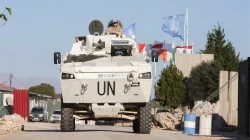
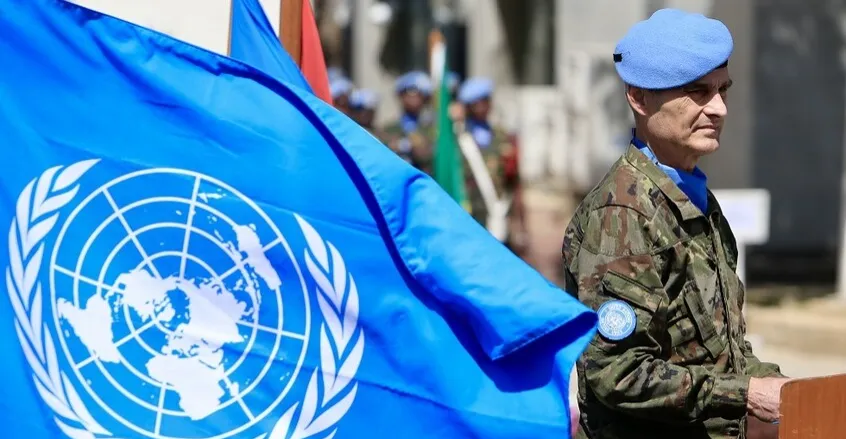
The United Nations has begun cutting the number of peacekeepers in Lebanon by about a quarter, the United Nations Interim Force in Lebanon (UNIFIL) said on Tuesday.
Kandice Ardiel, UNIFIL’s spokeswoman, told Izvestia that the reduction reflects budget cuts across the UN system, with the drawdown expected to finish by early 2026.
UNIFIL was first deployed in 1978 after Israel’s advance into southern Lebanon, and its mandate expanded in 2006 following the July Israeli war. The mission brings together troops from more than 40 countries, conducts patrols, and monitors the Blue Line — a 120-kilometer boundary set by the UN in 2000 following Israel's withdrawal from Lebanon.
As of November 2025, UNIFIL’s strength stood at about 9,900 personnel, down from roughly 10,500 earlier in the year. The UN Security Council in August granted the mission a final extension through December 31, 2026, and requested an orderly drawdown as security responsibility shifts to Lebanese authorities.
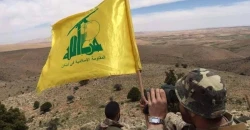
The drawdown comes amid Israeli accusations that UNIFIL is “leaking sensitive military intelligence” to Hezbollah. Comments on Israel’s Army Radio claimed the mission allows its personnel to access areas near Israeli positions along the Blue Line, enabling them to record troop movements in ways Israel says could reveal operational details to Hezbollah.
“There is nothing good in UNIFIL,” a senior Israeli military figure said, arguing that “they contribute nothing, certainly not to disarming Hezbollah, and harm the IDF’s freedom of action. The sooner they move out of the area and end their activity, the better.”
UNIFIL swiftly rejected the accusations, with Ardiel confirming that peacekeepers had not observed any military activity by Hezbollah in the area, nor “any unauthorized attempts to rebuild its military infrastructure.’’
Tensions between Israel and UNIFIL intensified in late 2025. In October, the mission recorded a series of Israeli actions near its patrols, including a drone-dropped grenade and tank fire close to peacekeepers in the Kfar Kila village, southern Lebanon. UNIFIL described the incidents as violations of its mandate and international law.
In November, the mission also documented that an Israeli Merkava tank fired from inside Lebanese territory, with heavy-machine-gun rounds landing only meters from a foot patrol, underlining the fraught environment on the ground.
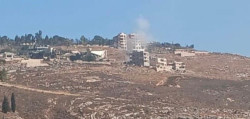
Despite a US-brokered ceasefire signed on November 27, 2024, Israeli troops remain at five positions south of the Litani River and continue strikes across southern and eastern Lebanon, as well as Beirut’s southern suburbs (Dahye). UNIFIL has logged more than 7,500 Israeli air violations and nearly 2,500 ground breaches north of the Blue Line up to November 20, illustrating ongoing hostilities.
The United Nations confirmed that intensified strikes have damaged infrastructure and prevented displaced families from returning home. Updated figures from Lebanon’s Ministry of Health report 335 people killed and 973 wounded, including women and children, since the ceasefire.
Read more: Lebanon: A nation unraveling tensions overshadow independence