Oil prices pull back as Iraq-Turkiye deal offers modest supply relief


Shafaq News
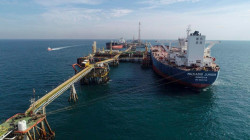
Oil prices fell more than $2 per barrel on Wednesday to pare some of Tuesday's sharp gains after the Iraqi government and Kurdish authorities reached a deal to resume oil exports via Turkey's Ceyhan port, providing modest relief to concerns about supplies from the Middle East.
But with no signs of a de-escalation of the Iran conflict, which has left oil exports from the Middle East largely halted, Brent futures prices have settled above $100 per barrel for the prior four consecutive sessions.
After rising more than 3% on Tuesday, Brent futures retreated $2.26, or 2.19%, to $101.16 a barrel by 0429 GMT on Wednesday. U.S. West Texas Intermediate crude dropped $2.99, or 3.11%, to $93.22.
Iraq's oil minister Hayan Abdel-Ghani said oil flows from Ceyhan were expected to start at 0700 GMT on Wednesday, according to state media. Two oil officials said last week that Iraq was seeking to pump at least 100,000 barrels per day of crude through the port.
"The news provided some relief to the market. Any additional volume finding its way back to the market is valuable under the current situation, so prices moved down to reflect that," said LSEG senior analyst Anh Pham.
"But we are still in a $100 per barrel oil environment, and the crisis around the Strait of Hormuz shows no sign of stopping yet."
Oil production from Iraq's main southern oilfields, where most of its crude is produced and exported, has plunged 70% to just 1.3 million bpd, sources said on March 8, as the Iran conflict effectively shut the vital Strait of Hormuz through which some 20% of global oil passes.
Iran confirmed on Tuesday that its security chief Ali Larijani had been killed in an Israeli attack. He is the most senior figure targeted since Supreme Leader Ayatollah Ali Khamenei was killed on the first day of the U.S.-Israeli war at the end of February.
A senior Iranian official said Iran's new supreme leader had rejected de-escalation offers conveyed by intermediary countries.
The U.S. military said on Tuesday it had targeted sites along Iran's coastline near the Strait of Hormuz because Iranian anti-ship missiles posed a risk to international shipping there.
Larijani's death and the U.S. military's strikes on Iranian coastal positions near the Strait of Hormuz raised some hopes that the conflict could end sooner, said Mingyu Gao, chief researcher for energy and chemicals at China Futures.
U.S. crude stocks rose by 6.56 million barrels in the week ended March 13, market sources said, citing API figures on Tuesday.
A Reuters poll showed that U.S. crude oil stockpiles were expected to have risen by about 380,000 barrels in the week to March 13.
(Reuters)
Only the headline is edited by Shafaq News Agency.