Rafah Crossing reopens partially as Gazans return after two years


Shafaq News- Gaza
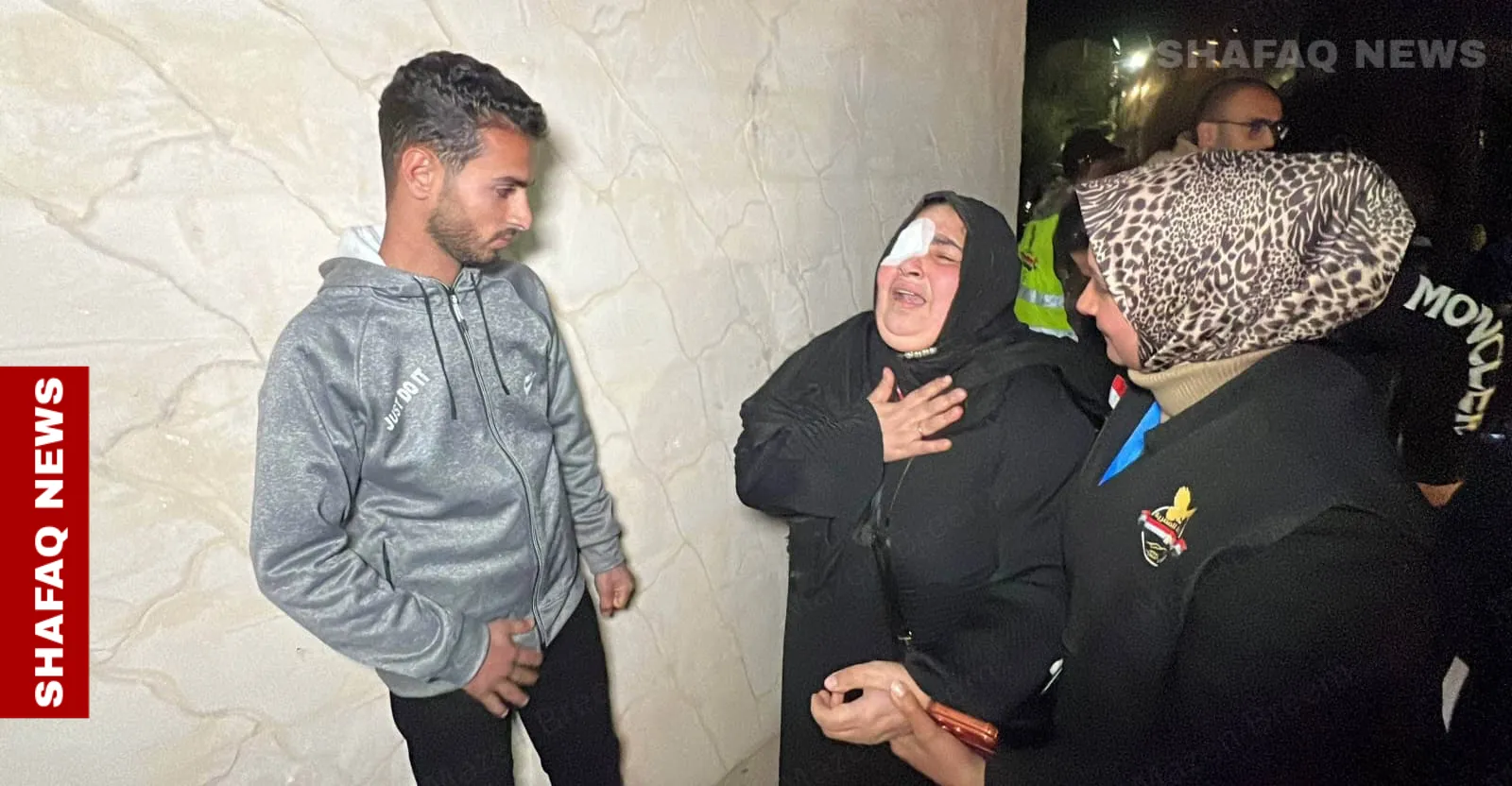
After two years of forced closure and strict Israeli restrictions imposed during the war, Rafah land crossing, the main gateway between Gaza and Egypt, has partially reopened, allowing a limited number of Palestinians to return to the Gaza Strip, according to returnees who spoke to Shafaq News.
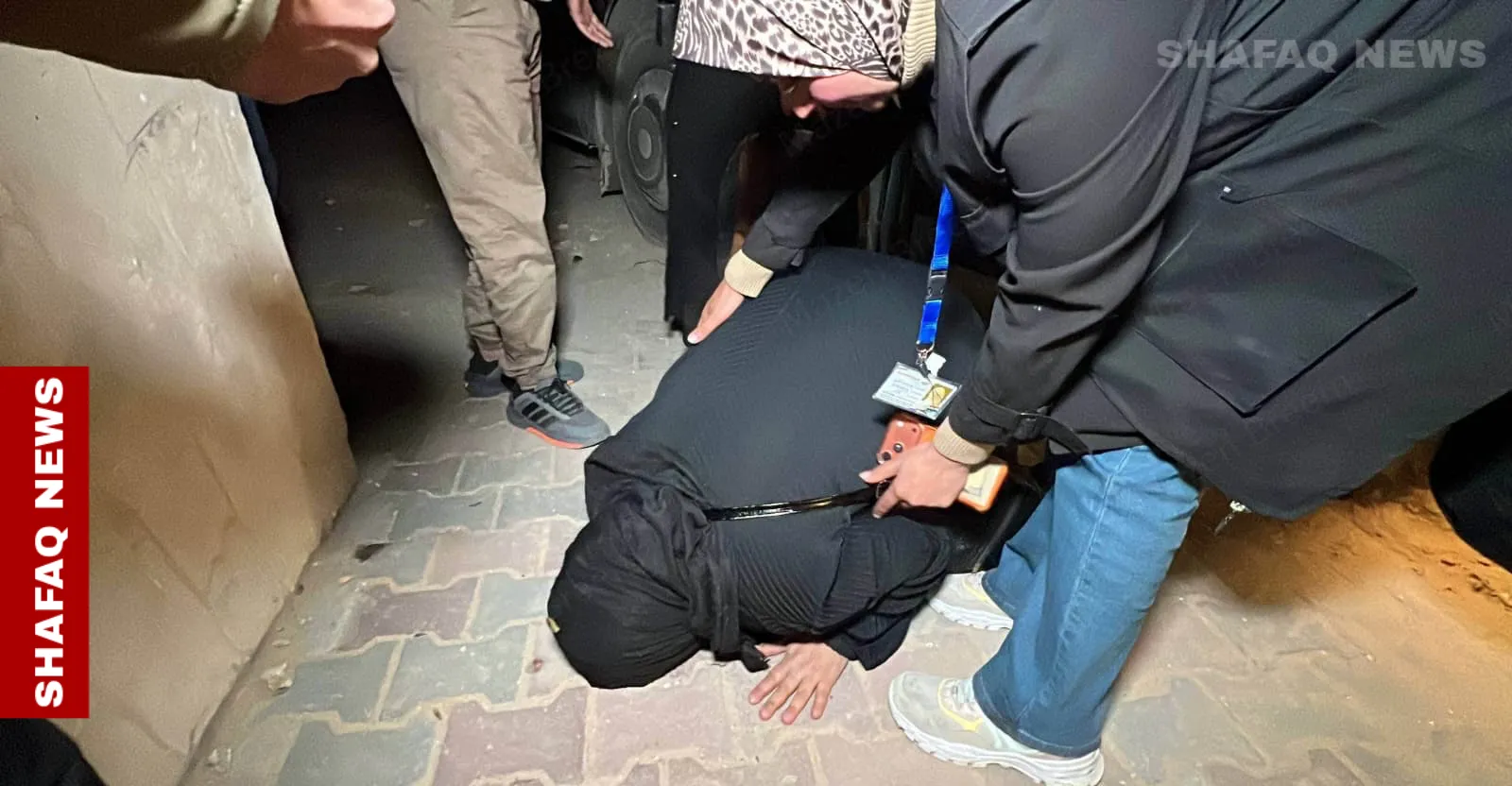
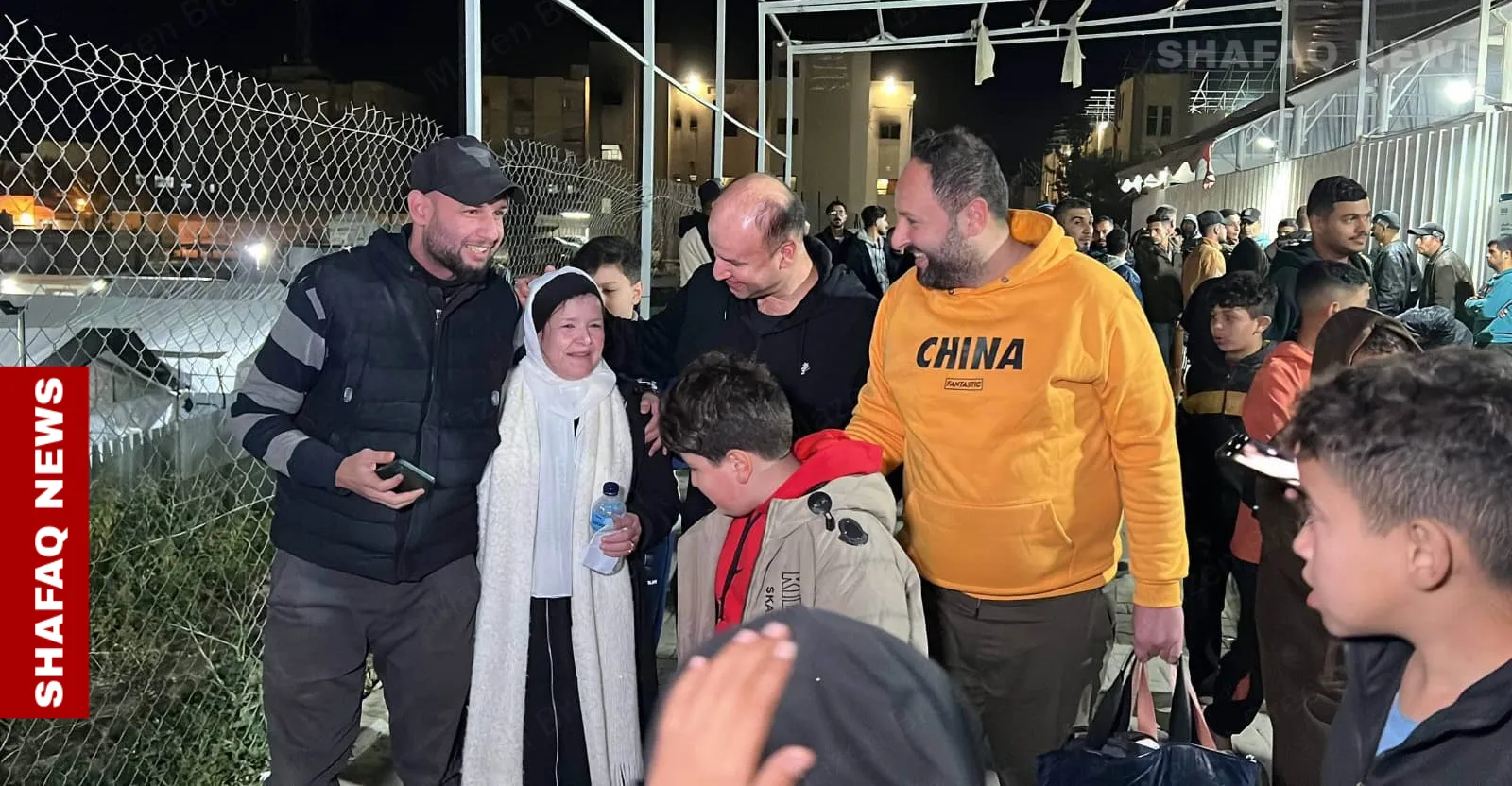
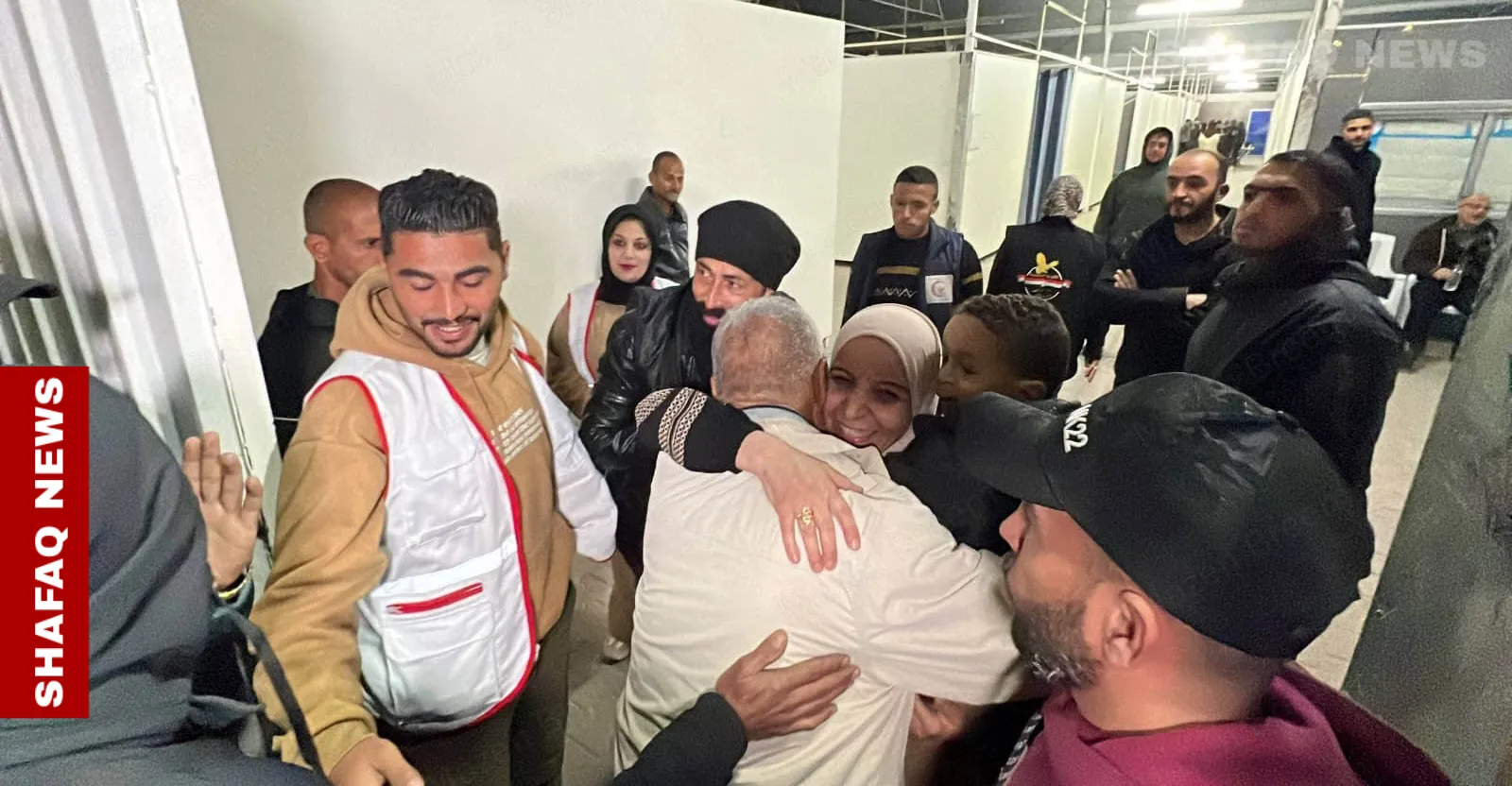
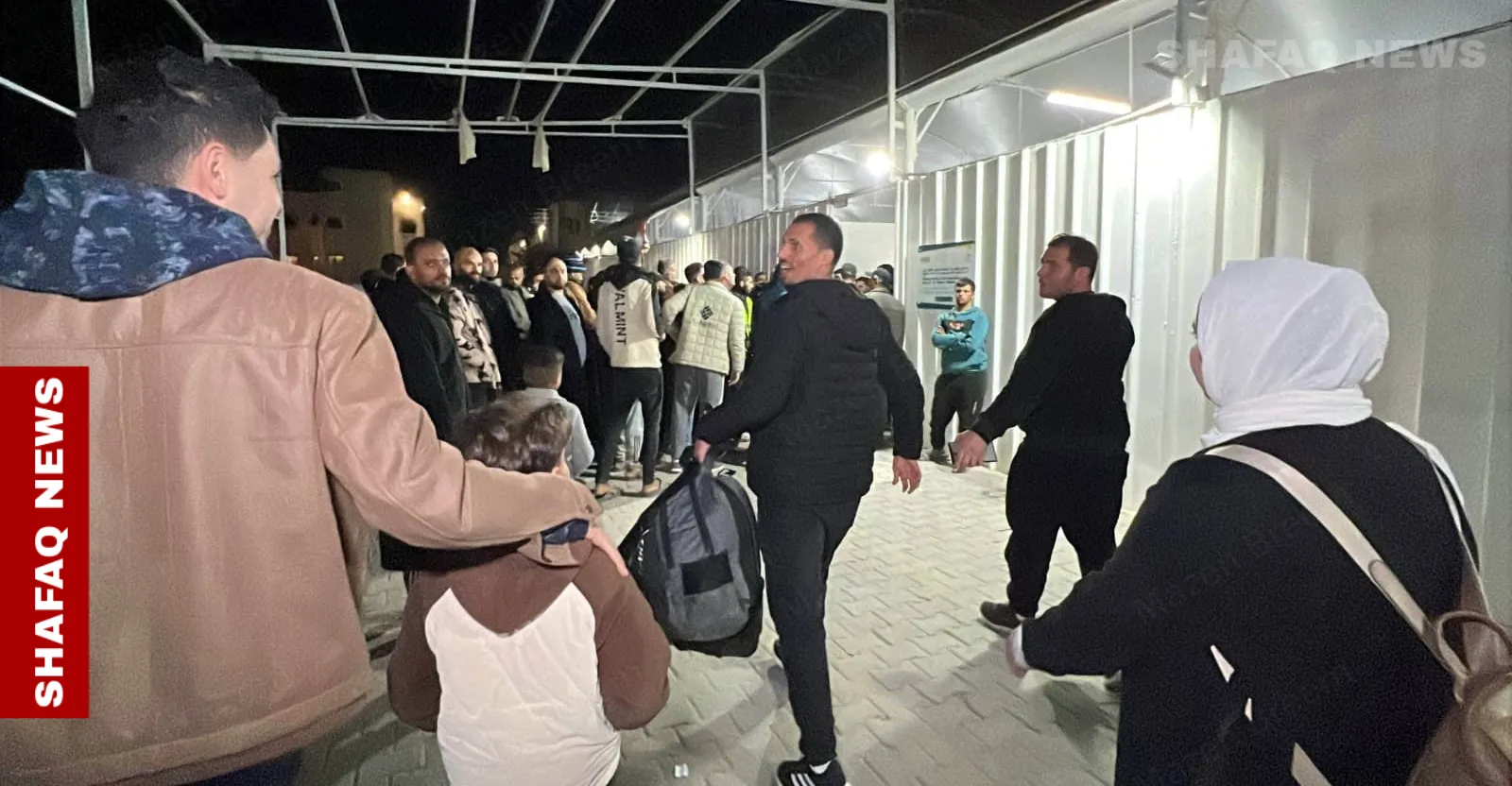
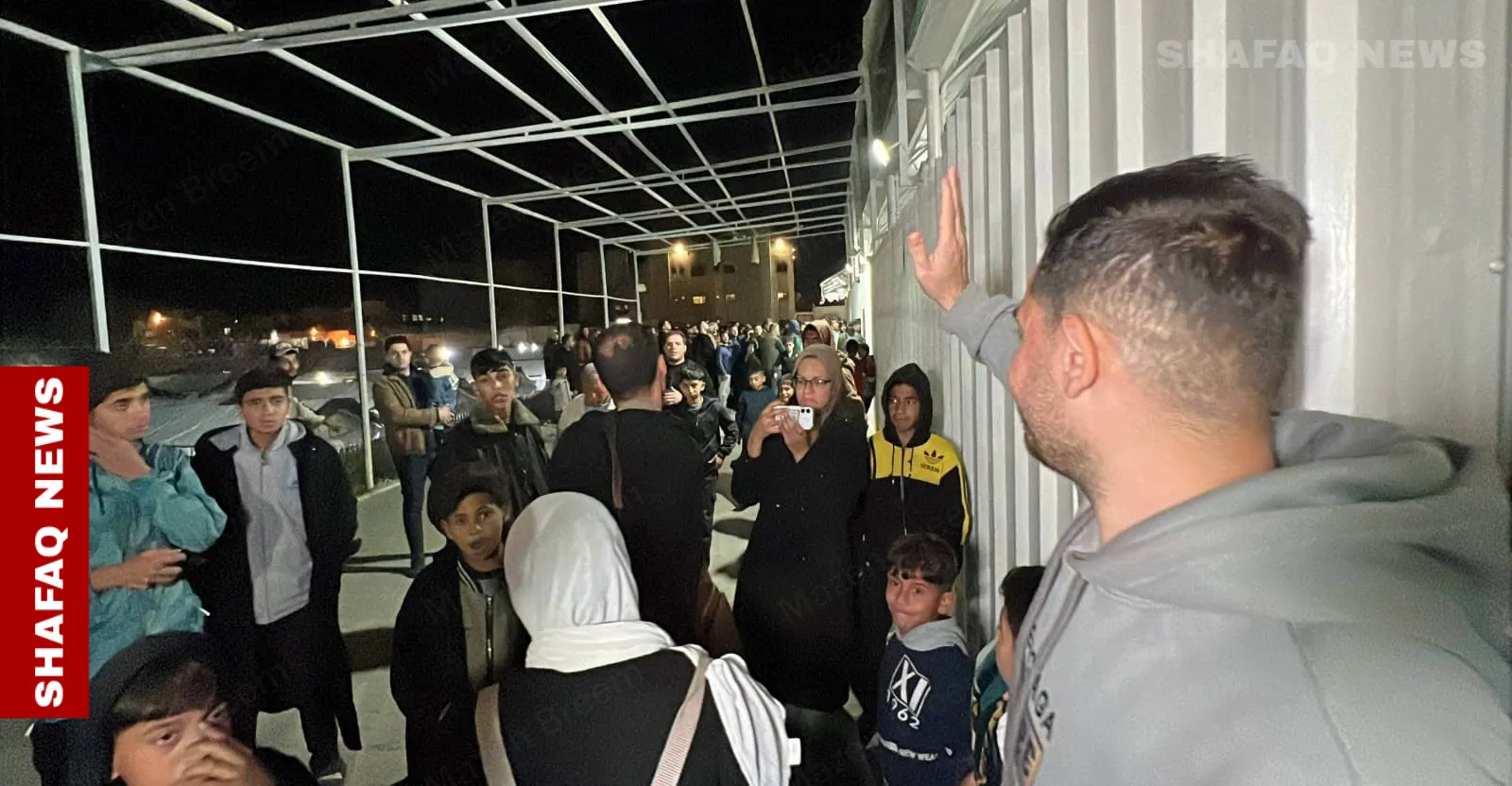
At Nasser Hospital square in Khan Younis, buses carrying returnees gathered in a scene marked by anticipation and exhaustion, as families prepared to cross back into Gaza despite the widespread destruction across the enclave.
The reopening permits
entry only after prior coordination and Israeli security clearance, returnees
said. Travelers begin their journey before dawn, heading first to the Egyptian
terminal for routine inspection, followed by extended waiting periods. They are
then transferred through a fenced corridor inside the Rafah crossing, where
passports are stamped under the supervision of a European mission and officials
from the Palestinian Authority before final procedures are completed.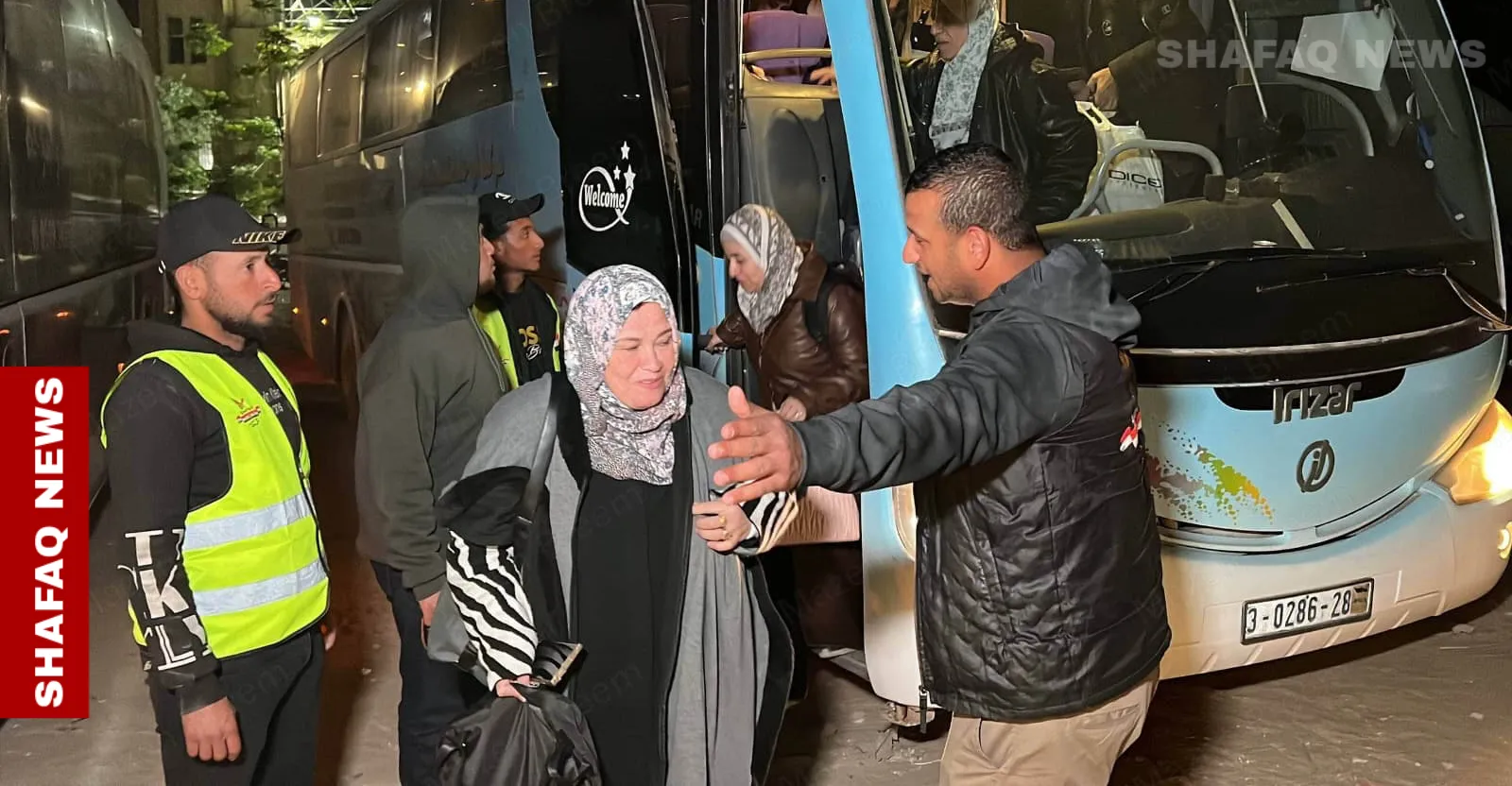
Returnees said the most difficult stage involves detailed searches and prolonged questioning by Israeli forces, sometimes lasting between one and four hours. Several described the conditions as stressful and humiliating.
Walaa Al-Raqab told our agency that she was detained along with her mother and another woman, blindfolded, and subjected to “harsh questioning.” Israeli investigators asked her about matters she had “no knowledge” of and focused on her brother, who was killed along with other family members during the war.
“One of them
threatened to take my children away if I did not cooperate,” she said,
describing the experience as an attempt to break her psychologically before
allowing her to return.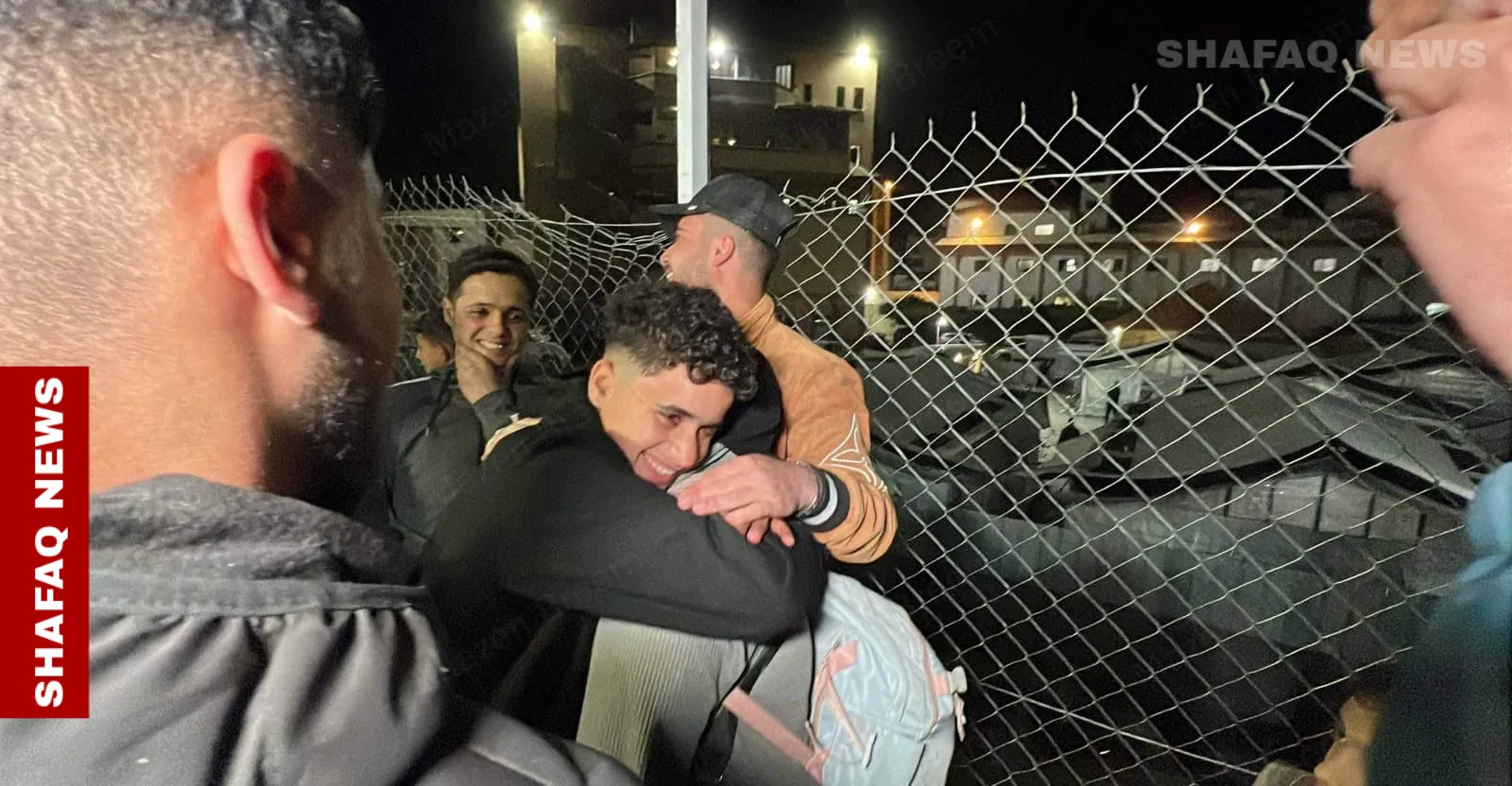
Nidaa Omran, another returnee, recounted her years away from Gaza as difficult due to separation from her family. She said she felt relief upon arrival despite undergoing handcuffing and blindfolding during questioning that lasted about 90 minutes.
“Returning felt like reclaiming life. This is our homeland. We were born here and will remain.”
Hazem Al-Mansi, who had traveled to Egypt for medical treatment after suffering a foot injury during the war, decided to return before completing his treatment. “I received good care in Egypt, but nothing replaces home,” he said, adding that reuniting with his children outweighed other considerations.
Huda Abu Abed, in her
fifties and suffering from chronic heart and eye conditions, detailed what she
called a painful journey, saying that soldiers confiscated personal belongings
from her and her daughter, including gifts and essential medication. “I returned
with one bag. I no longer even have my medicine,” she said, recalling that she
was blindfolded during a lengthy interrogation and pressured to remain outside
Gaza, and her health condition was not taken into account.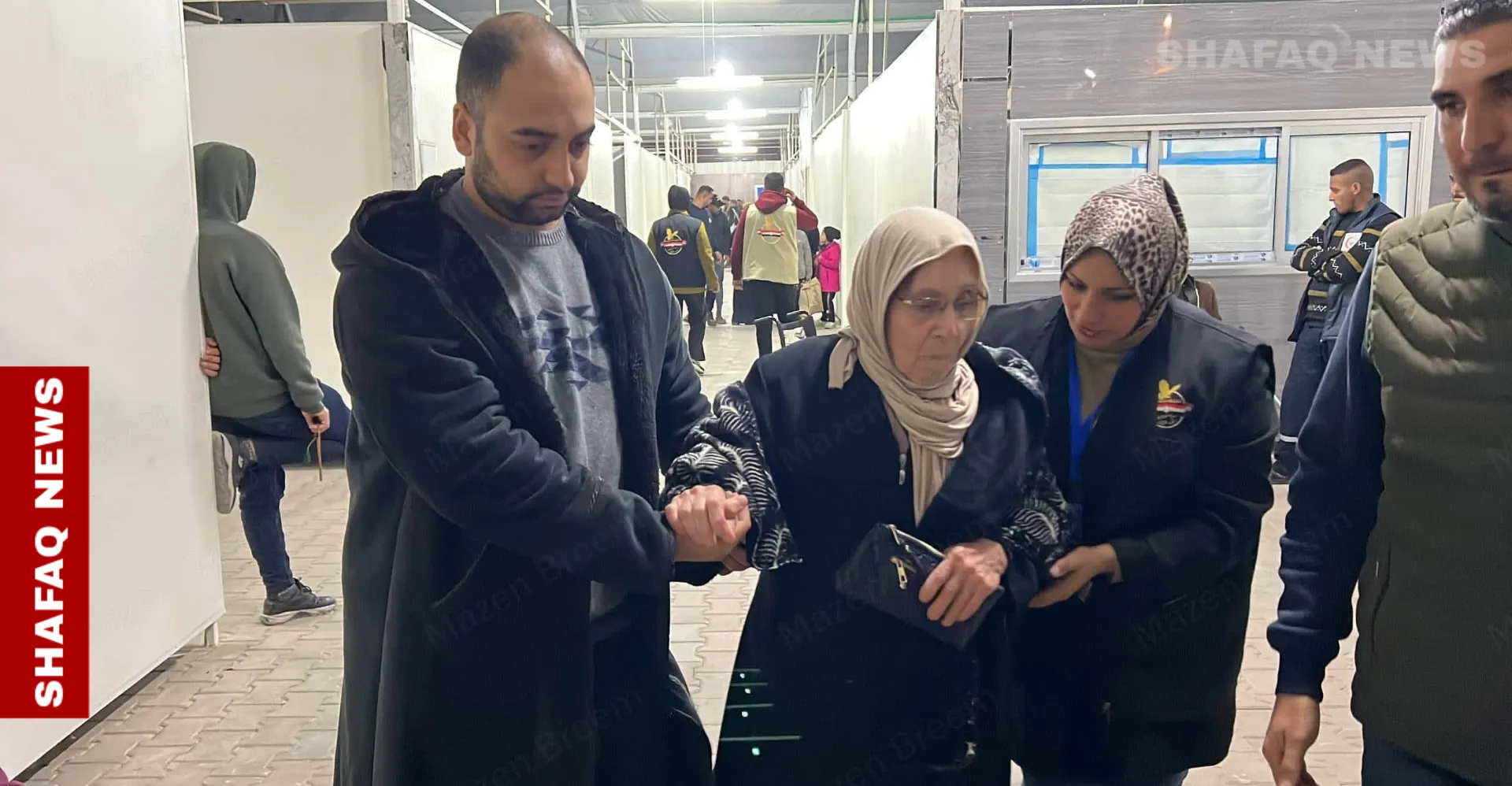
Political analyst Mustafa Abu Al-Saud told Shafaq News that developments at the Rafah crossing reflect broader political considerations beyond security procedures, noting that fewer than 600 Palestinians have returned since the partial reopening, a figure that “does not correspond to the length of waiting lists.”
According to Abu Al-Saud, restrictions on returnees’ numbers, combined with comparatively fewer obstacles for those leaving, suggest tighter control over population movement. He said the strict interrogations and treatment described by returnees could be viewed within that broader context.
According to the Palestinian Central Bureau of Statistics (PCBS), about 150,000 Palestinians have left Gaza since October 2023.