Iran's Ghalibaf links Hormuz reopening to seven conditions


Shafaq News- Tehran/ Washington
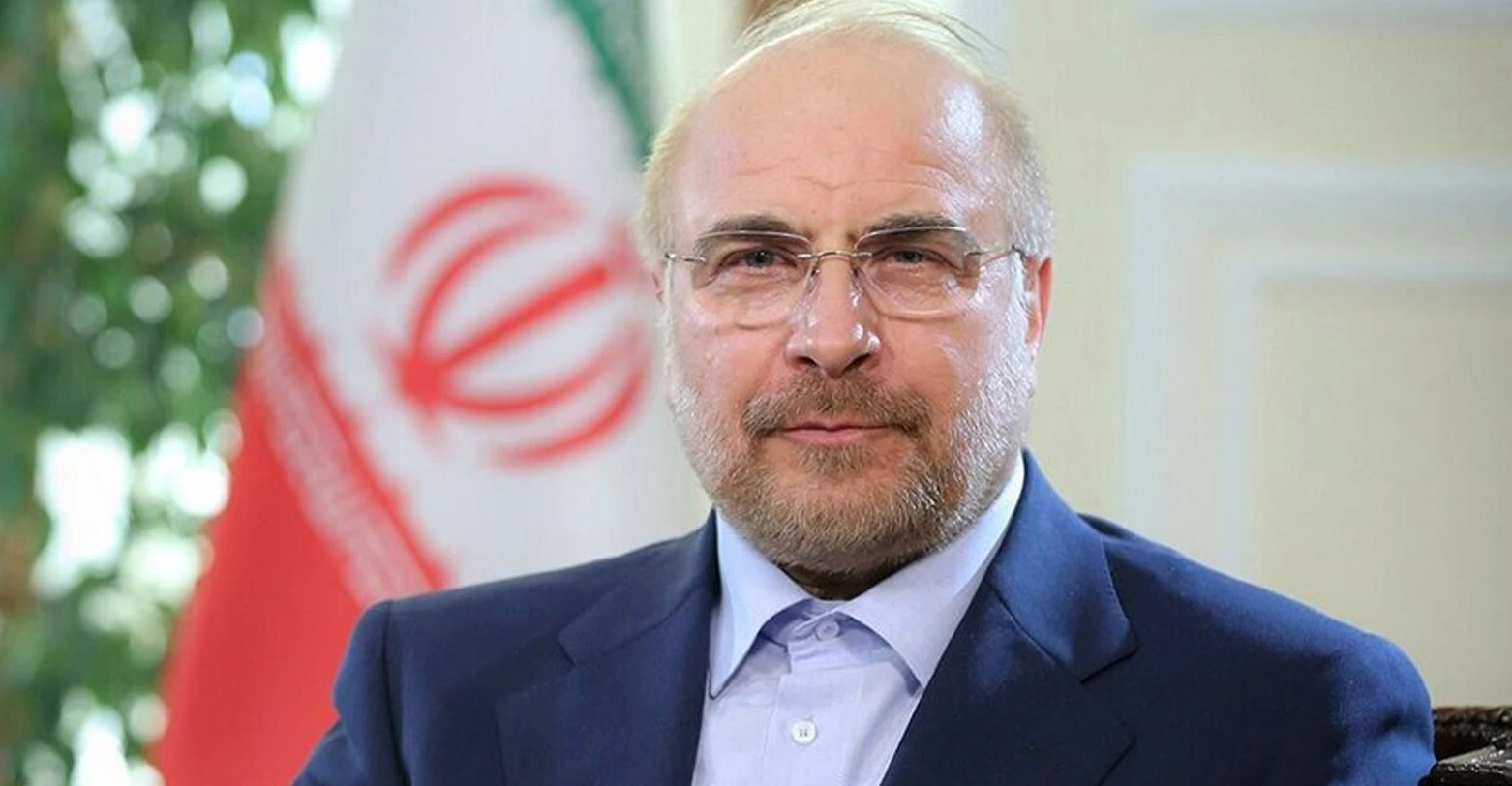
Iranian Parliament Speaker Mohammad Bagher Ghalibaf on Wednesday said Washington must meet Tehran's seven conditions before the Strait of Hormuz can reopen and negotiations resume.
In an interview with Al Jazeera, Ghalibaf said Iran had submitted a response outlining its demands but had received no official reply from Washington, urging the US to announce its decision. The Iranian negotiating team remains unchanged, and he continues to lead the talks. However, Tehran's distrust of Washington and what he called excessive US demands remain obstacles to an agreement.
The Strait of Hormuz will not return to its prewar arrangements, Ghalibaf said, adding that Tehran had reached an understanding with Oman on shipping routes and a maritime traffic separation system. The proposal also includes ending the war against Iran and the “Resistance Front” (Iran-aligned regional groups) as part of a memorandum of understanding.
Ghalibaf accused Washington of imposing a blockade that restricts food supplies, trade, and healthcare services. Iran intends to end the state of neither war nor peace, whether through negotiations or sustained deterrence, and will not allow the US to wear it down.
US representatives had visited Moscow and asked Russian President Vladimir Putin to facilitate direct negotiations with Tehran, according to the Iranian speaker.
The Americans had miscalculated their military campaign against Iran and failed to achieve their objectives, Ghalibaf argued, warning that President Donald Trump would face another defeat if he resumed the war. Tehran would respond to any attack by Washington or Israel, which he regarded as a single front opposing Iran and its regional allies. Continued fighting would also damage regional security and economies.
On Yemen, Ghalibaf said Iran was prepared to help Saudi Arabia and the Houthi movement resolve their differences if both sides requested assistance. He opposed foreign interference in Yemen, saying Yemenis should resolve their internal disputes.
Meanwhile, US Secretary of State Marco Rubio told G7 foreign ministers during a closed-door meeting in Paris that Washington intended to maintain its current approach toward Iran rather than resume the war or accept an unfavorable agreement, Axios reported, citing three attendees. Rubio said the US had a third option of continuing its existing policy, while senior Trump administration officials favored sustained economic pressure on Tehran. President Donald Trump and Rubio also believe Iran wants an agreement but is demanding terms Washington considers unrealistic.
Earlier this week, Iran’s Supreme National Security Council Secretary Mohsen Rezai denied US claims that negotiations were ongoing or that a meeting was planned in Qatar, including reports of talks with US Vice President JD Vance.