Iran reinforces nuclear facilities as US weighs military action


Shafaq News- Washington/ Tehran
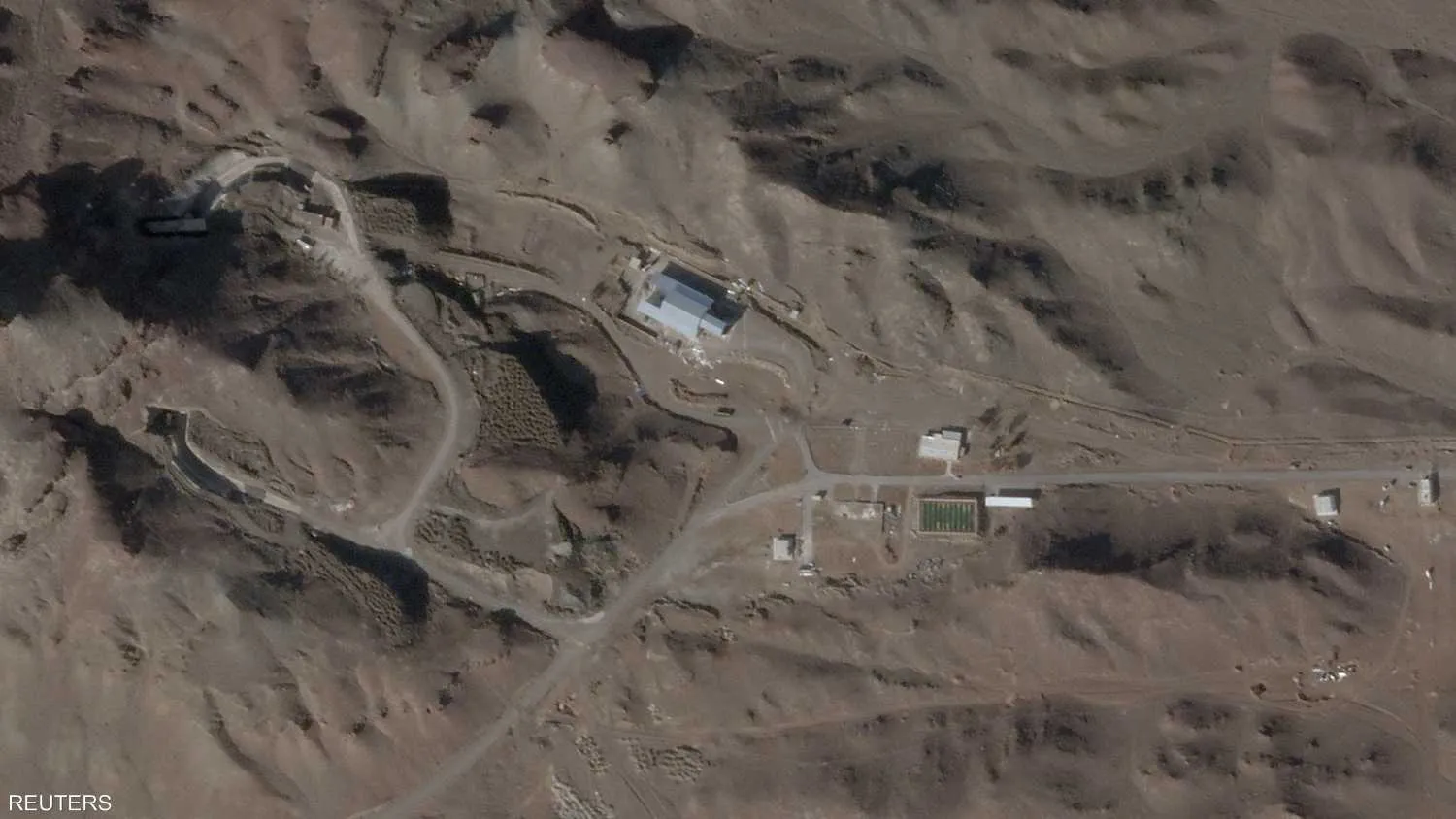
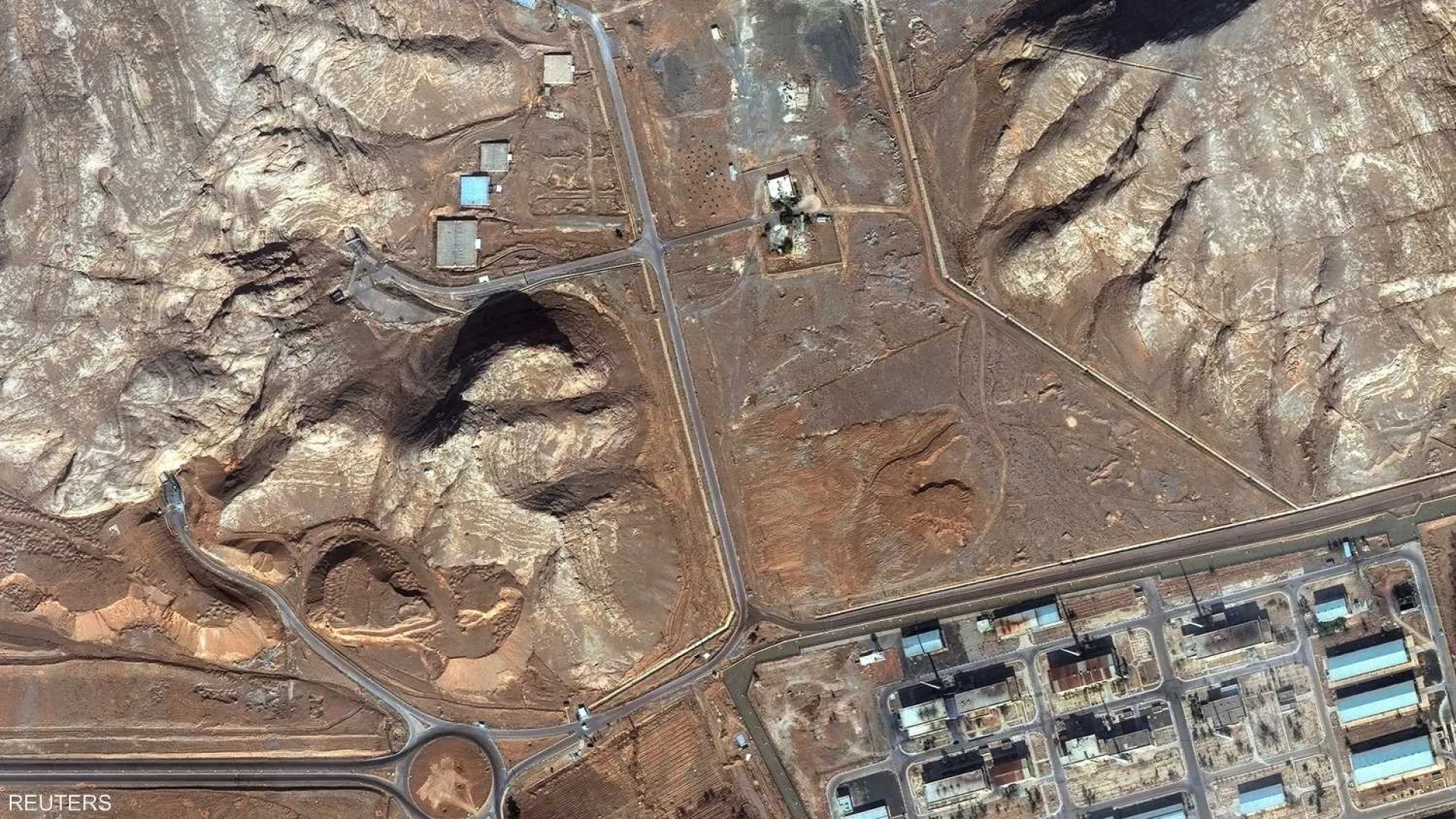
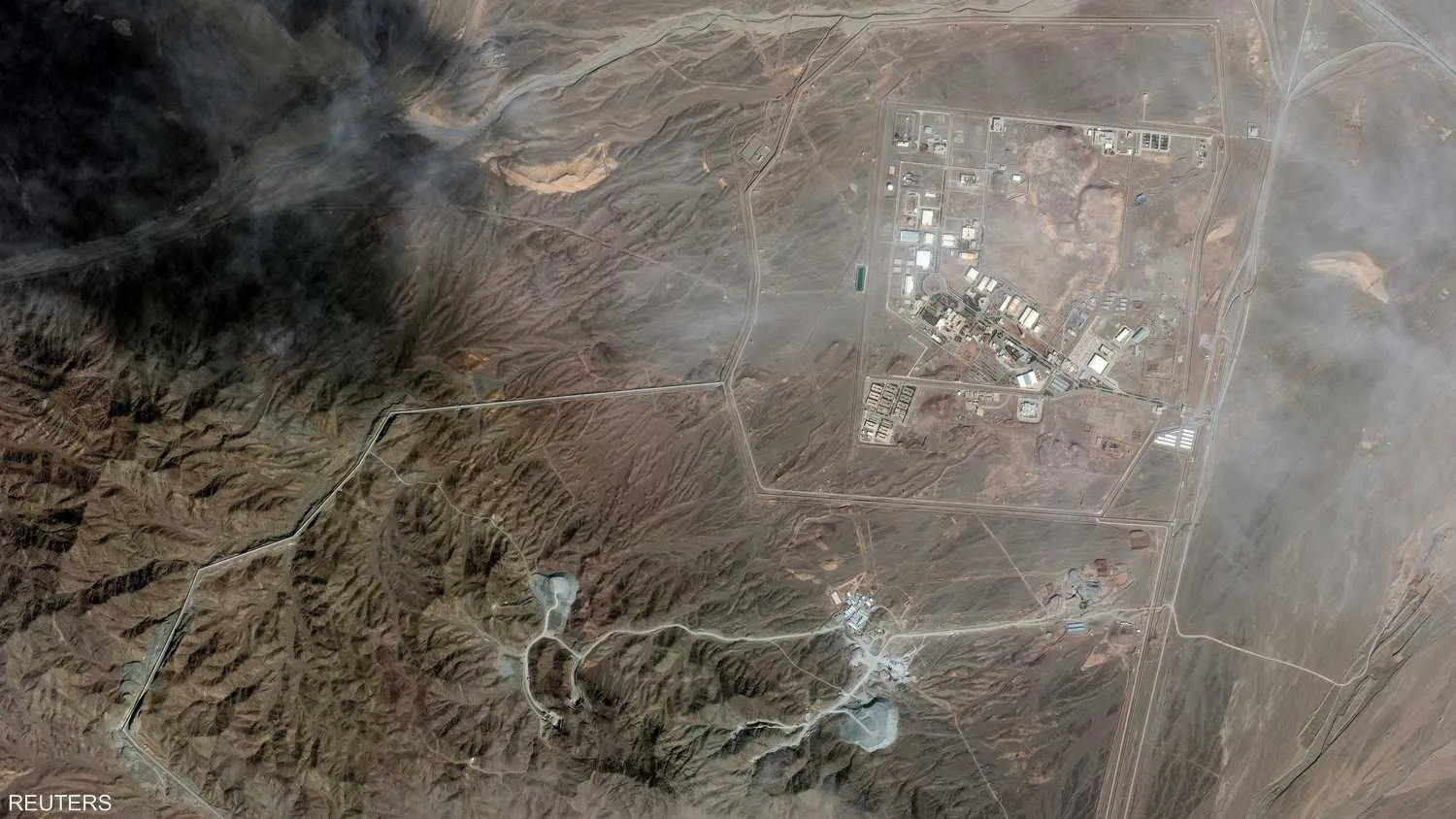
Satellite images show Iran reinforcing and concealing key military and nuclear-linked sites as tensions with the United States escalate, Reuters reported on Wednesday, citing analysis from the Institute for Science and International Security (ISIS), forensic imagery experts, and Israeli research groups.
Parchin Military Complex
At the Parchin site southeast of Tehran, imagery shows reconstruction at a facility reportedly struck by Israel in October 2024. Images from late 2025 through mid-February indicate that a newly built structure identified by ISIS as “Taleghan 2” has been encased in concrete and buried under soil.
ISIS previously reported construction activity around what appeared to be a cylindrical chamber inside the building. William Goodhind of Contested Ground told Reuters the roof was likely covered with dirt to conceal the concrete structure.
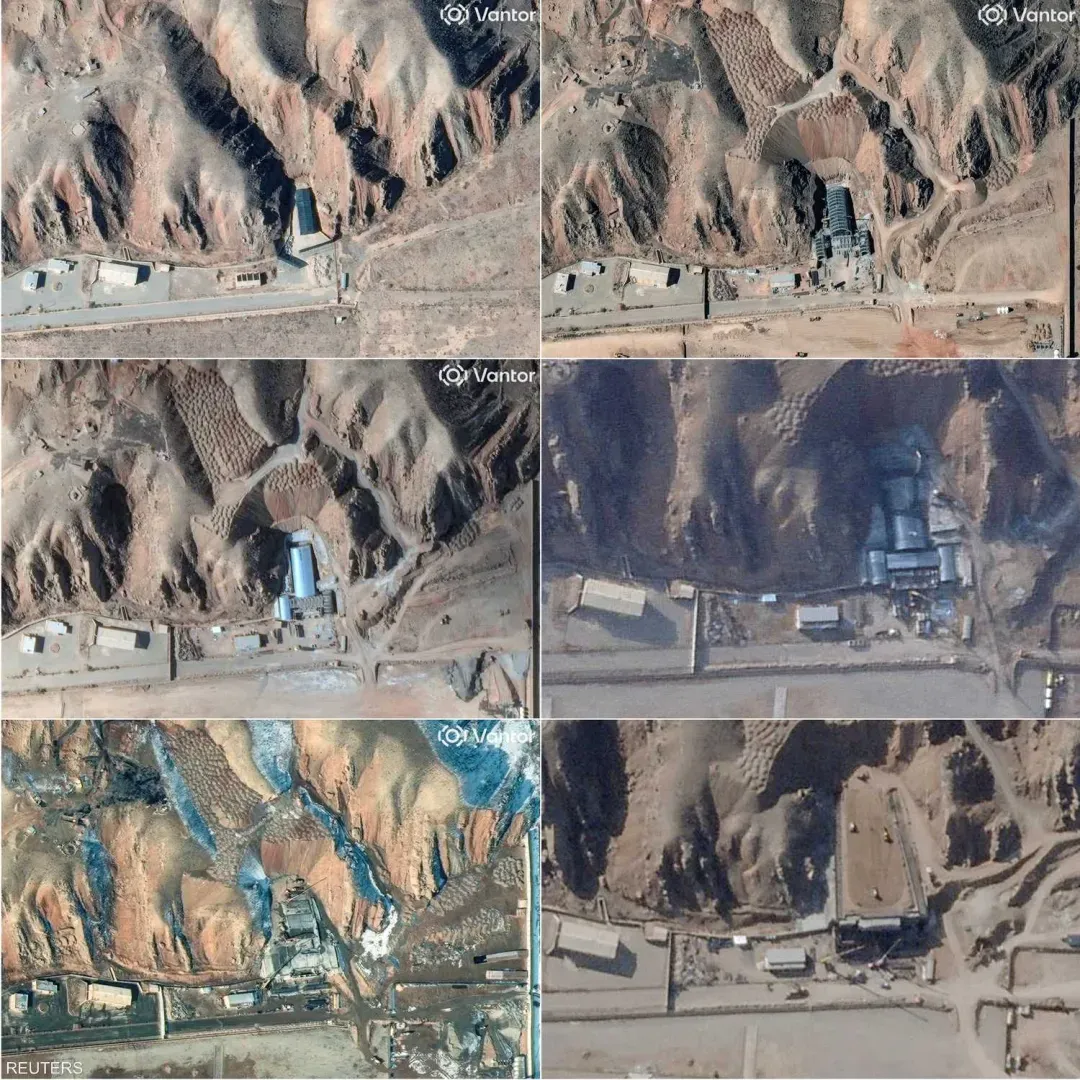
Isfahan Nuclear Complex
At the Isfahan nuclear facility, bombed by the United States in June, satellite images show tunnel entrances backfilled with soil. ISIS has reported that two entrances were sealed and a third had been buried, leaving all access points “completely buried.” A February 10 image reviewed by Goodhind confirmed the closures.
ISIS said backfilling could reduce the impact of airstrikes and hinder ground access.
Natanz-Area Tunnel Complex
Near Natanz, ISIS reported ongoing efforts since February 10 to harden two tunnel entrances at a mountain complex known as Pickaxe Mountain.
Imagery shows the movement of heavy equipment, including dump trucks and cement mixers, as work continues.
Missile Base Repairs
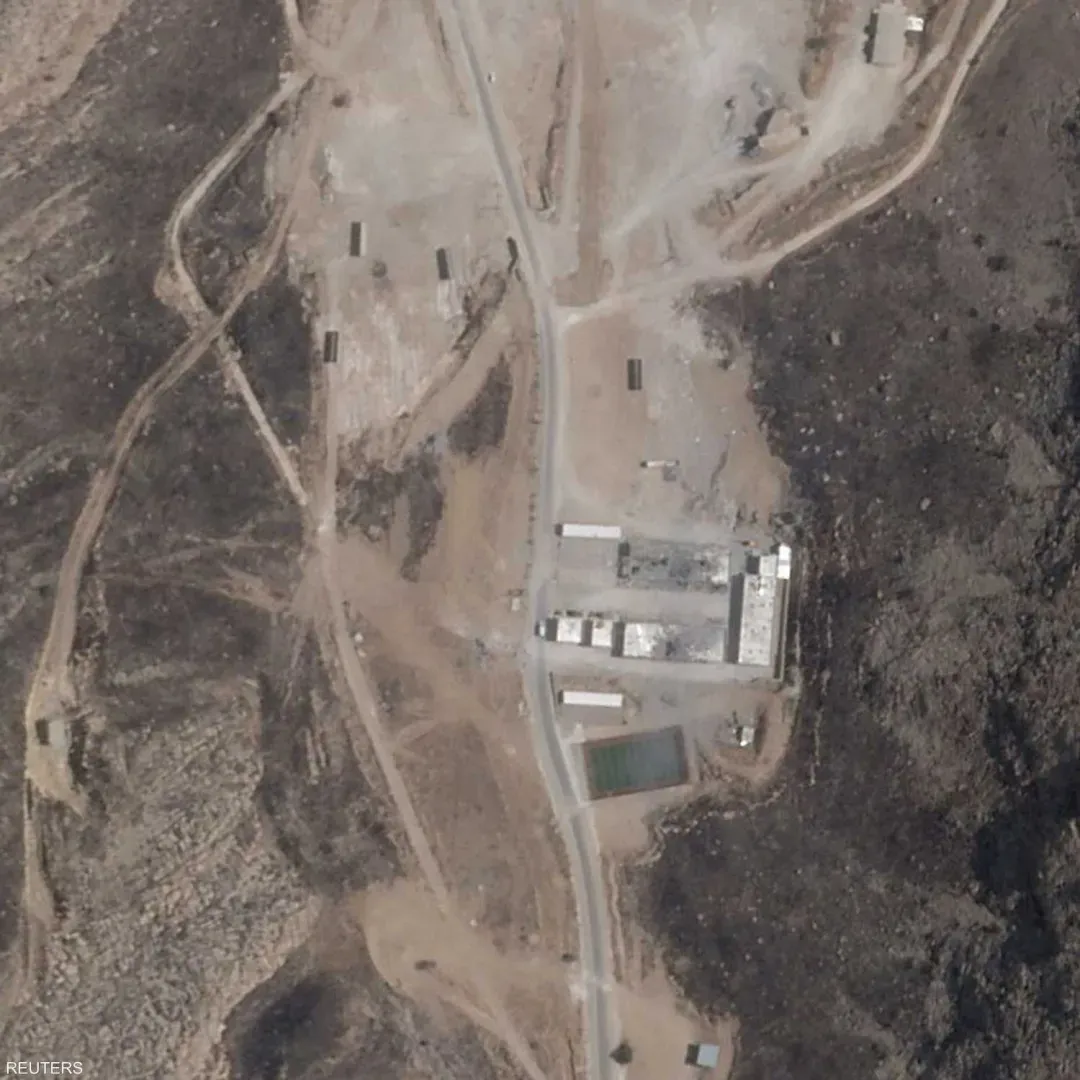
At the Shiraz South missile base, comparisons between July 2025 and January 2026 images show reconstruction and debris clearance at the logistics compound, Goodhind explained, noting the site has not returned to full operational capacity.
At a missile base north of Qom, the Alma Research and Education Center reported roof repairs completed on a structure damaged during last year’s conflict.
Diplomatic Backdrop
The second round of indirect US-Iran nuclear talks in Geneva ended on Tuesday without a breakthrough. According to ABC News, a US official noted that “progress was made,” but “there are still a lot of details to discuss,” while Iranian officials indicated they would return within two weeks with detailed proposals aimed at narrowing remaining gaps.
The three-hour meeting brought together President Donald Trump’s son-in-law Jared Kushner and Middle East Envoy Steve Witkoff and Iranian Foreign Minister Abbas Araghchi. Vice President JD Vance said the talks “went well” in some respects but confirmed Iran has not accepted key “red lines” set by Trump, adding that the president will decide when diplomacy has “reached its natural end.”
Washington demands a complete halt to enrichment inside Iran, while Tehran has floated temporary suspensions or dilution of enriched stockpiles. US officials are weighing potential sanctions relief, including financial and oil measures, though no commitments have been announced. Meanwhile, Israeli officials, according to Axios, are preparing for a scenario in which conflict could erupt within days.
In June 2025, Tehran was given a similar two-week deadline before Trump authorized strikes on Iranian nuclear facilities under Operation Midnight Hammer.
Read more: Why US–Iran talks keep failing, and why tensions persist