Iran protests not driven by Kurds, Kurdish opposition says


Shafaq News– Tehran
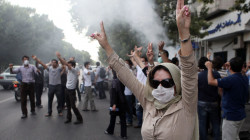
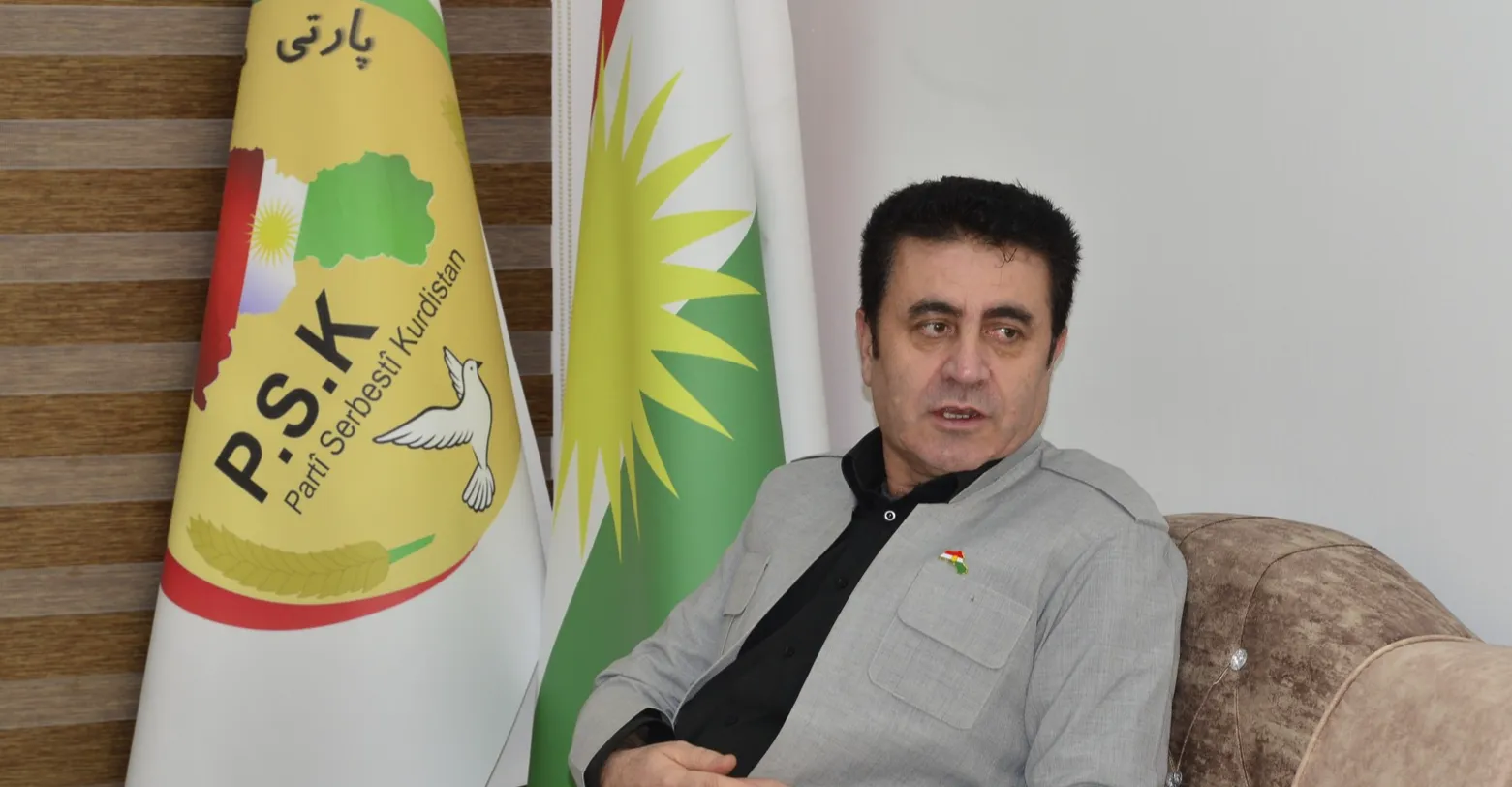
An Iranian Kurdish opposition leader on Sunday rejected accusations by Tehran that Kurdish parties were behind the country’s latest wave of protests, describing the claims as an attempt to shift blame for unrest driven by economic pressure.
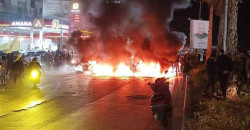
Arif Bawecani, head of the Serbesti Kurdistan (PSK) party, told Shafaq News that the protests began on December 28 in Tehran’s currency exchange market after a sharp fall in the rial fueled price rises, and were not initiated by Kurdish political movements. Demonstrations later spread nationwide, including to Kurdish areas, where protesters joined calls for greater freedoms as well as cultural and national rights, he explained, insisting that “the unrest reflected domestic grievances rather than foreign direction.”
Commenting on recent calls by Reza Pahlavi, the son of Iran’s former shah, Bawecani said Kurdish, Baluch, Turkmen, Arab, and Azeri communities largely reject the former monarchy, citing what he described as a legacy of repression, violence, and economic hardship, while support for Pahlavi was limited to a small group linked to the old regime.
Earlier today, Pahlavi told Fox News he was prepared to return to Iran from the United States to help oversee a transitional phase toward democratic rule, and his role would be to facilitate a transparent process allowing Iranians to choose their leaders.
Iranian leaders, including Supreme Leader Ali Khamenei, have accused the United States and Israel of seeking to destabilize the country, while President Masoud Pezeshkian has alleged that “terrorists” linked to foreign powers were responsible for attacks on civilians and public property.
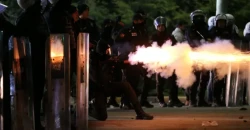
While Iranian authorities have not released official nationwide casualty or arrest figures, the Human Rights Activists News Agency (HRANA) has documented protests at nearly 300 locations across 111 cities in all 31 provinces, reporting close to 500 deaths.
Meanwhile, Iran’s Tasnim News Agency reported that the number of demonstrations has fallen by nearly 90% from their peak.
Read more: Iran’s protests between economic crisis and political contestation