Slemani Summit: KRG minister challenges Baghdad budget formula


Shafaq News- Al-Sulaymaniyah
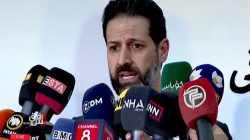
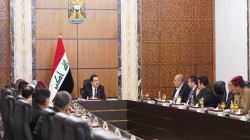
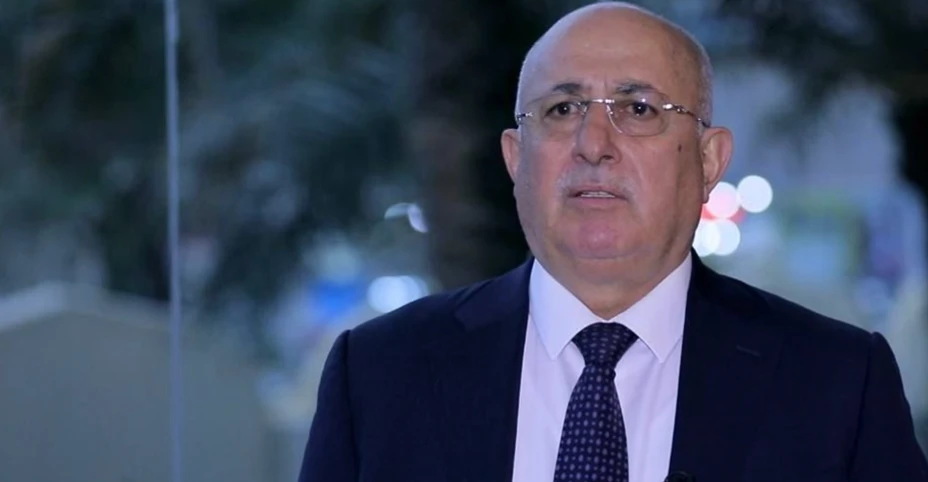
Kurdistan Region Government’s (KRG) Finance and Economy Minister Awat Sheikh Janab Nouri on Thursday criticized Baghdad’s method for calculating the Region’s share of Iraq’s federal budget, urging Prime Minister Ali Al-Zaidi to treat Kurdistan as a “constitutional and legal entity” rather than a province or accounting unit.
Speaking at the 2026 Slemani Summit, Nouri said sovereign expenditures deducted before the distribution of budget shares had become a major problem, claiming they now account for more than 40% of overall federal spending.
He argued that deducting those expenditures before calculating the Kurdistan Region’s share sharply reduces the amount it receives, while the Region benefits from only a small portion of such spending.
Read more: KRG rejects 12.67% share of Iraq’s 2027 budget
Nouri also said the Kurdistan Region receives no benefit from domestic or foreign federal borrowing.
He criticized Baghdad’s use of the actual-spending formula, saying expenditure is first calculated across Iraq’s 15 provinces outside the Kurdistan Region before the Region’s share is determined.
Nouri called for full implementation of a Federal Supreme Court ruling on Kurdistan Region public-sector salaries, arguing that salary payments should be treated as part of federal spending obligations.
The minister also said the KRG had not received “a single dinar” from federal investment expenditure since 2013, despite what he described as its compliance with federal requirements, including reviews of employee lists and implementation of a biometric registration system that he said had reached 90%.
Read more: Into 2026, Baghdad and Erbil face the same disputes
On other disputes, Nouri said Baghdad and Erbil had reached understandings on companies, taxation, customs tariffs and border crossings, adding that implementation now required a formal decision from the federal cabinet.
He said the Kurdistan Region’s negotiating delegation had also found understanding in Baghdad over the need to raise Iraq’s oil production and exports within its OPEC quota, arguing that higher output could ease financial pressures.