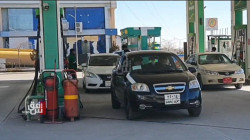
Rising fuel costs hit drivers across Kurdistan


Shafaq News- Erbil
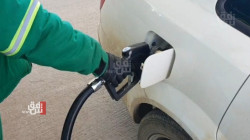
Gasoline prices have risen across the Kurdistan Region of Iraq, fueling public frustration and long queues at government-run fuel stations, where fuel remains cheaper than at private outlets.
In Erbil, regular gasoline has climbed to around 1,150 dinars (≈ $0.88) per liter, while improved gasoline reached 1,550 dinars (≈$1.18), with prices varying slightly between stations.
Fuel station owner Hoger Abdullah attributed the increase to lower oil production in Iraq, the fallout from the ongoing regional conflict, and concerns over potential disruptions to shipping through the Strait of Hormuz. He told Shafaq News that the higher prices have reduced demand and placed additional pressure on taxi drivers and delivery workers.
In Duhok, higher fuel prices led to heavy congestion at government stations, where motorists have queued for hours to buy subsidized gasoline. Drivers reported that the price of regular commercial gasoline has risen from about 850 dinars (≈ $0.65) per liter to more than 1,100 dinars (≈ $0.84) in recent months.
Many motorists have shifted away from commercial stations, increasing pressure on government outlets. Drivers also pointed to the growing number of vehicles in the province and a shortage of government fuel stations relative to demand.
In Al-Sulaymaniyah, gasoline prices increased by 50 dinars (≈ $0.04) per liter across all grades. Regular gasoline now sells for 1,000 dinars (≈ $0.76) per liter, improved gasoline for 1,200 dinars (≈$0.92), and super gasoline for 1,350 dinars (≈ $1.03).
Bahman Qadir, spokesman for fuel station owners in Al-Sulaymaniyah, linked the increase to higher fuel prices in Iran, reduced fuel shipments into the Kurdistan Region, and lower supplies allocated to the province as demand in Erbil grows. He also cited stronger summer demand driven by tourism, commercial activity, and increased travel.
Speaking to Shafaq News, Taxi drivers Sarbast Ahmed and Dilshad Mohammed warned that the increase would hit the transport sector particularly hard during the summer months, when fuel consumption rises because of heavier travel and prolonged air-conditioning use. They said transport fares have failed to keep pace with rising costs and cautioned that higher fuel prices would eventually affect consumers through increased costs for transportation and other services.
Separately, Kurdistan lawmaker Jwanro Mohammed questioned, in a statement, the continued rise in fuel prices despite the allocation of 50,000 barrels of crude oil per day to the Region, calling for those supplies to be used to reduce fuel costs and ease pressure on households.