Iran's Tchogha Zanbil preserves ancient Elamite heritage


Shafaq News- Khuzestan
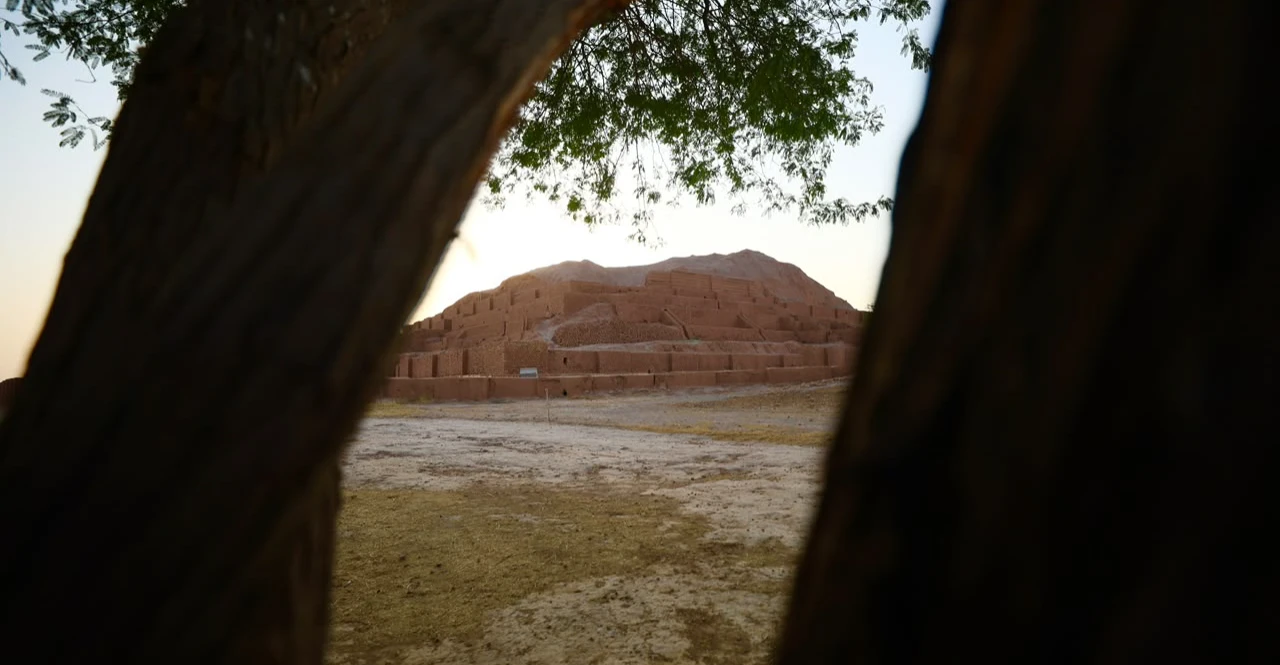
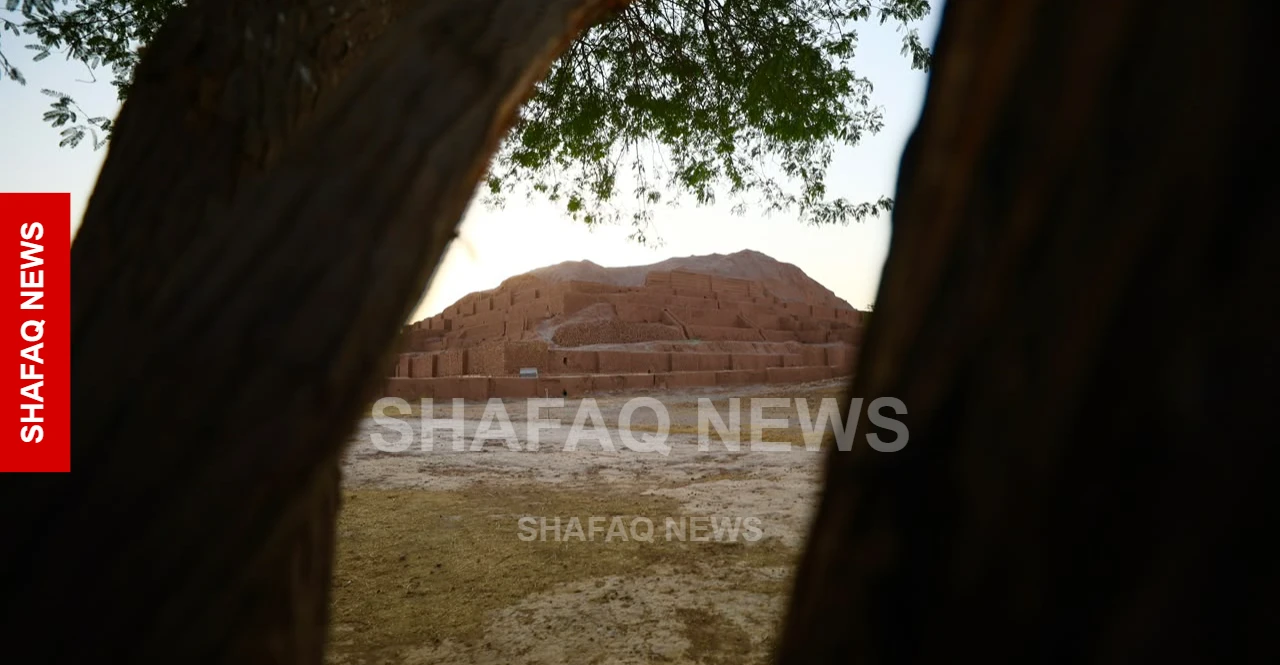
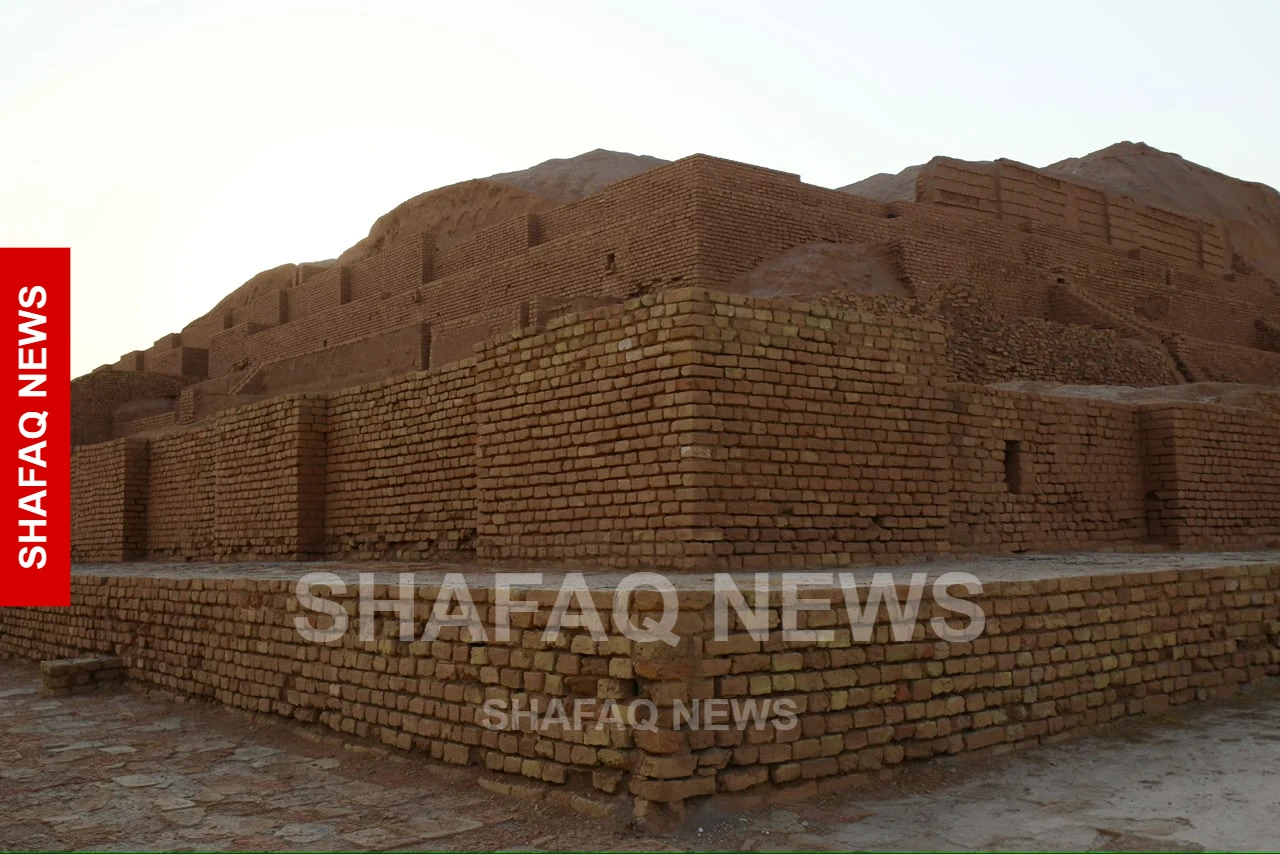
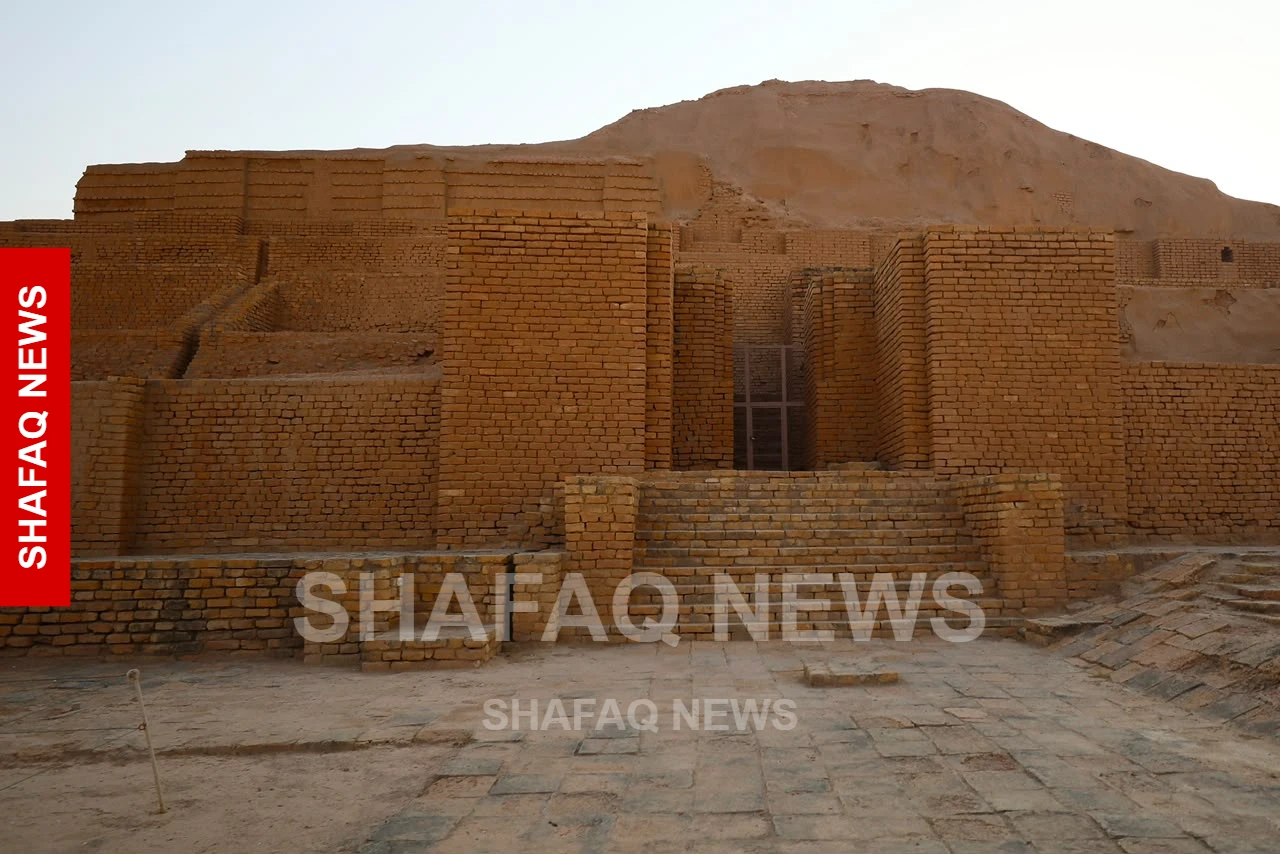
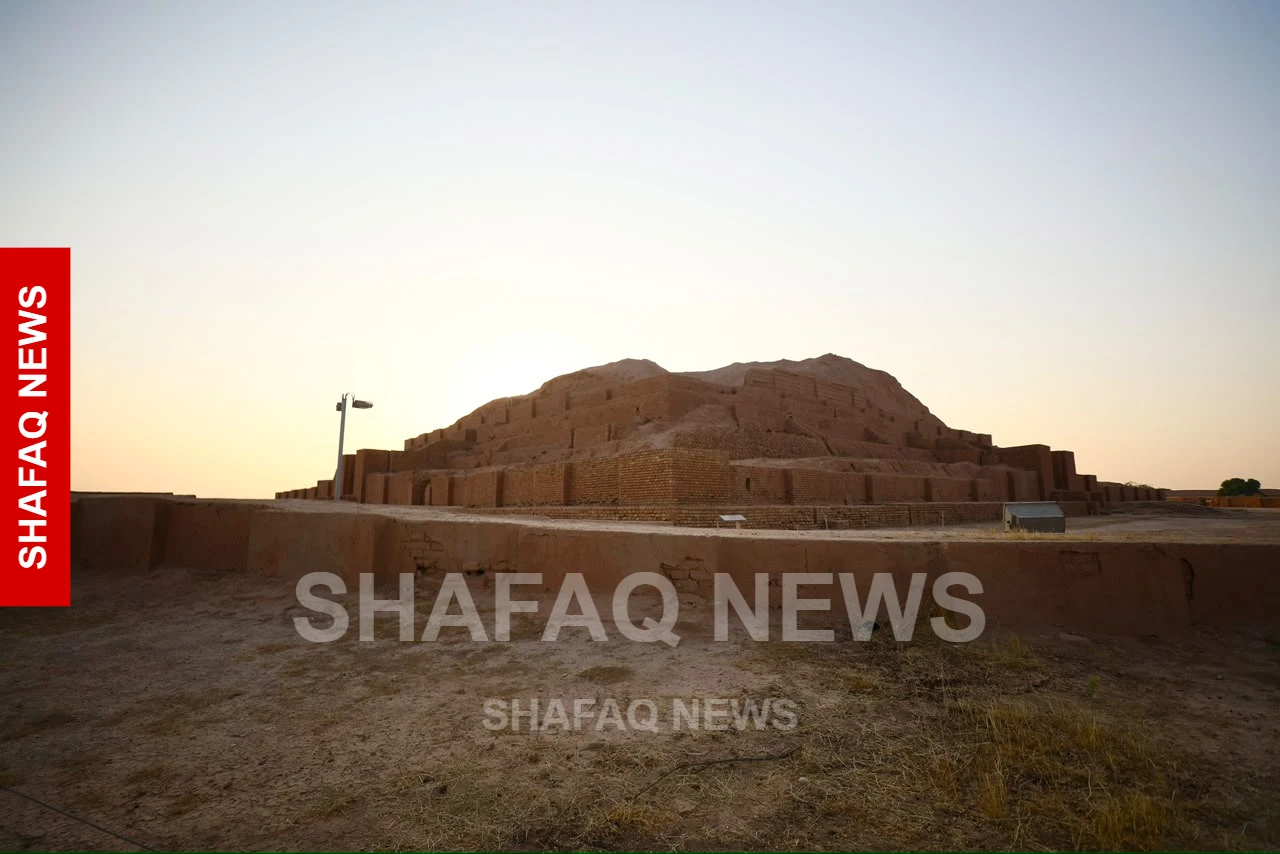
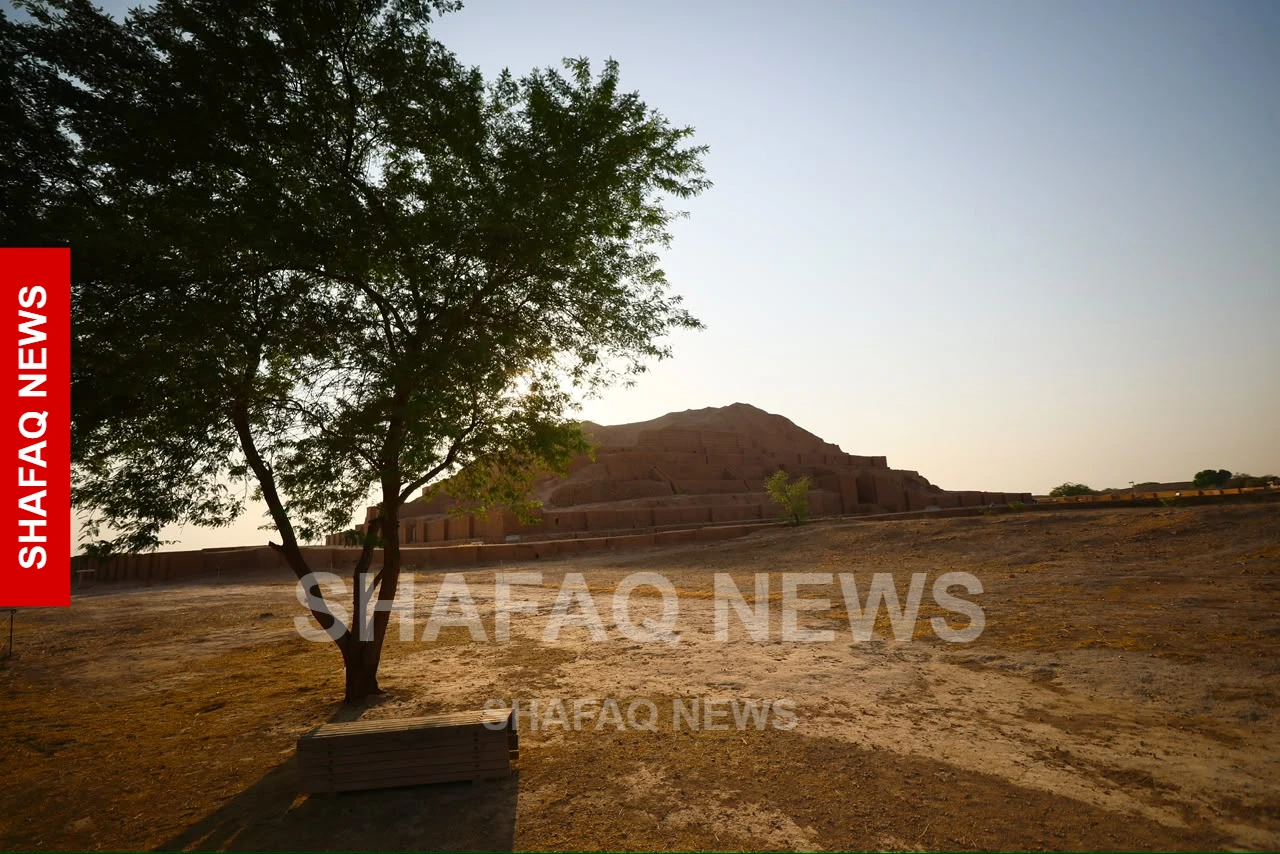
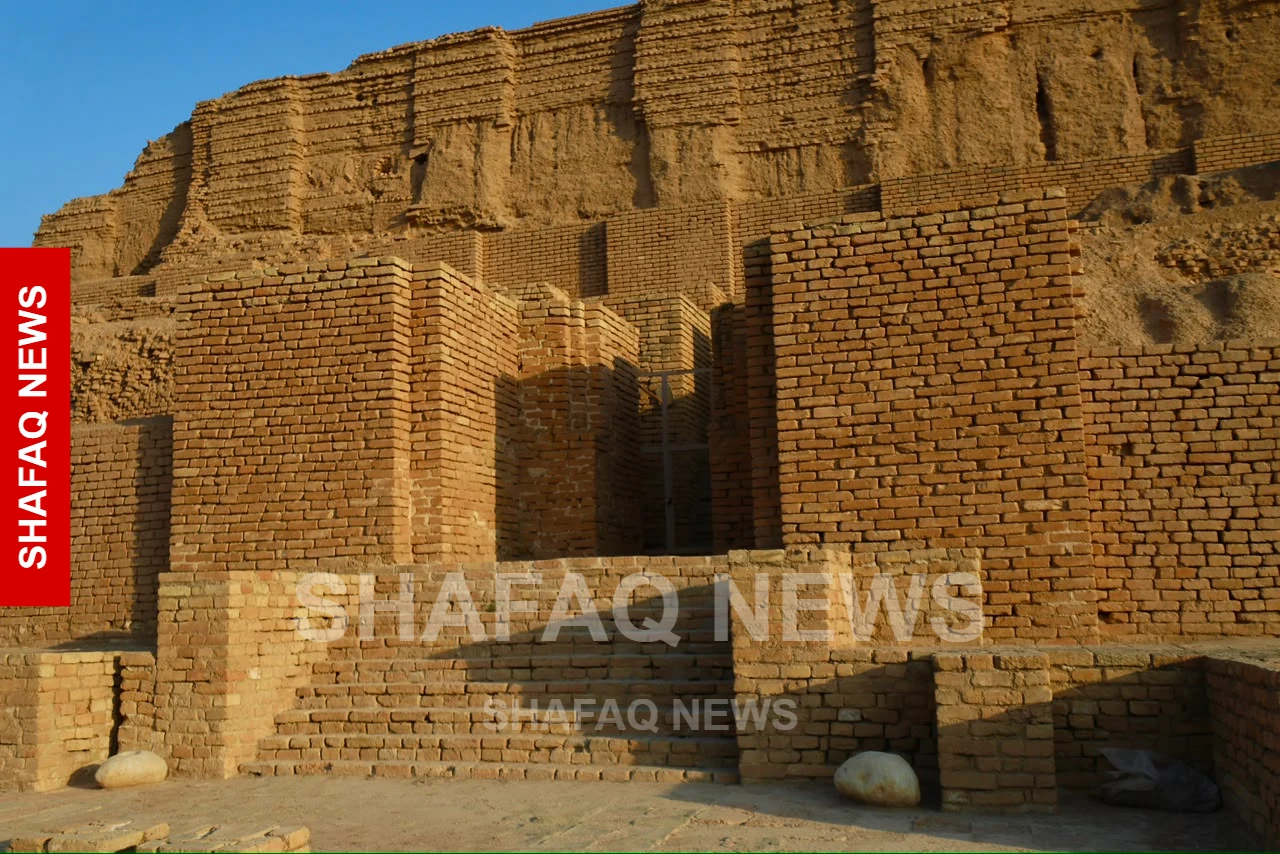
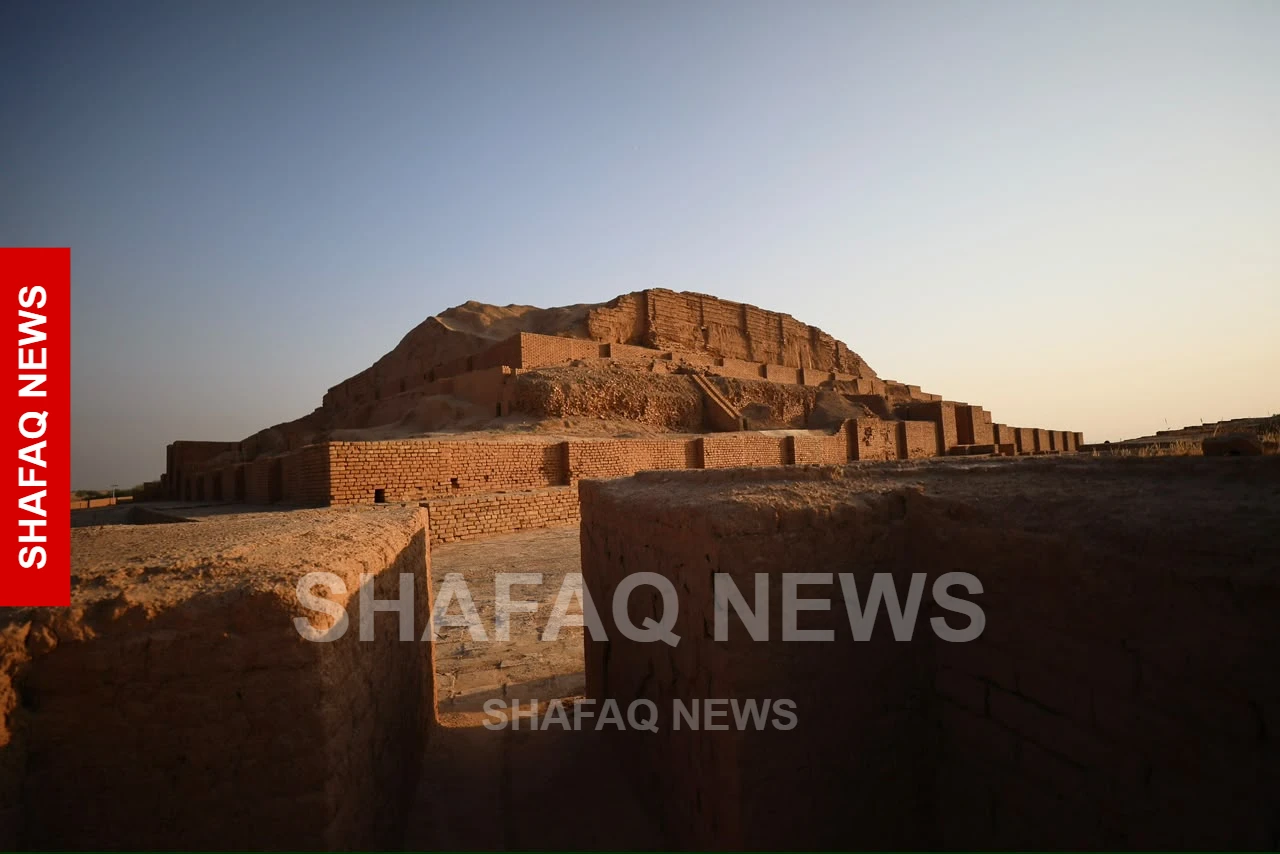
The Tchogha Zanbil Ziggurat in southwestern Iran's Khuzestan province stands as one of the most significant surviving monuments of the ancient Elamite civilization, offering a glimpse into the region's religious traditions and architecture more than 3,000 years ago.
Heritage researcher Razzaq Mojaddam told Shafaq News that the monument, located near the ancient city of Susa, dates to the 13th century BCE and remains a major example of Elamite religious architecture. It was built around 1250 BCE under King Untash-Napirisha; the ziggurat formed the centerpiece of the sacred city of Dur-Untash, dedicated to the Elamite deities Inshushinak and Napirisha.
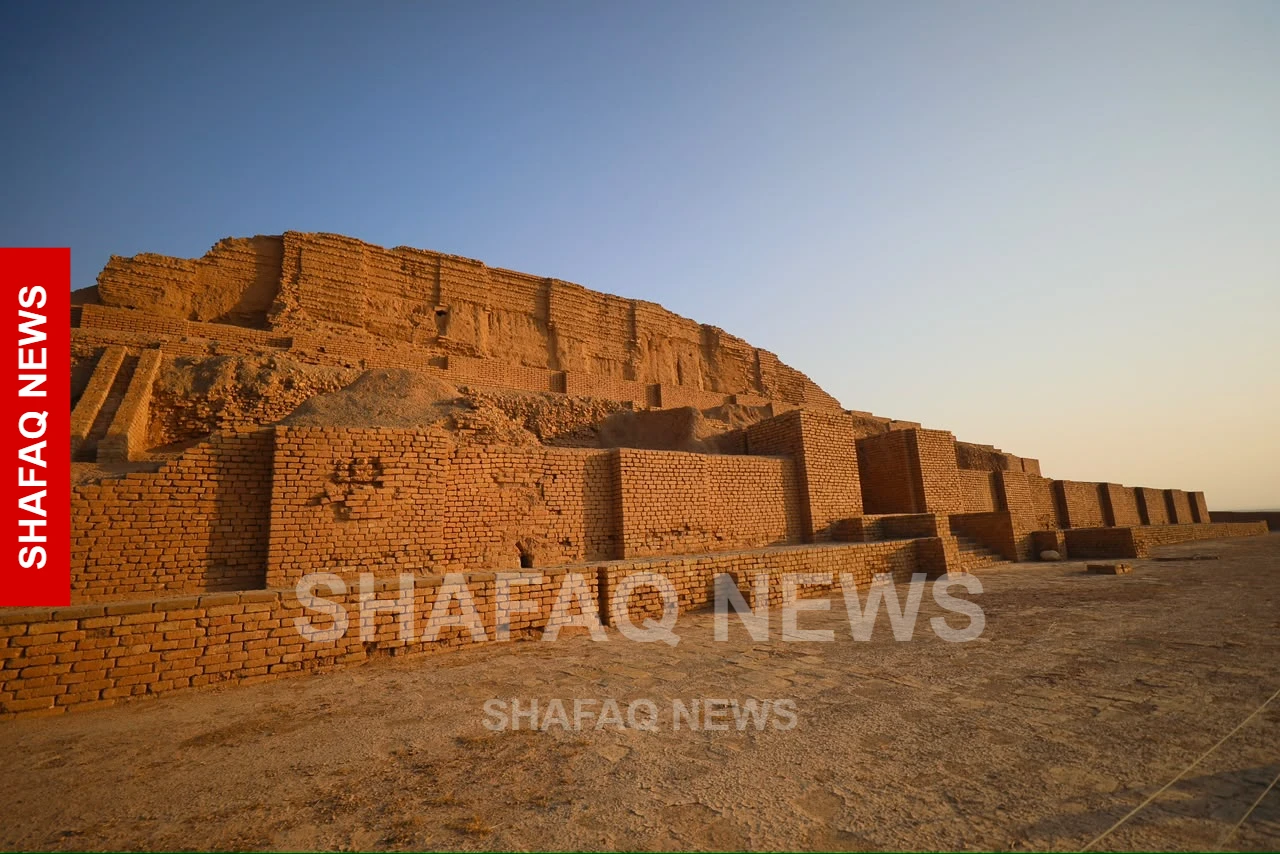
According to Mojaddam, the stepped structure originally stood about 52 meters high, with a square base measuring approximately 105 meters on each side and covering nearly 11,000 square meters.
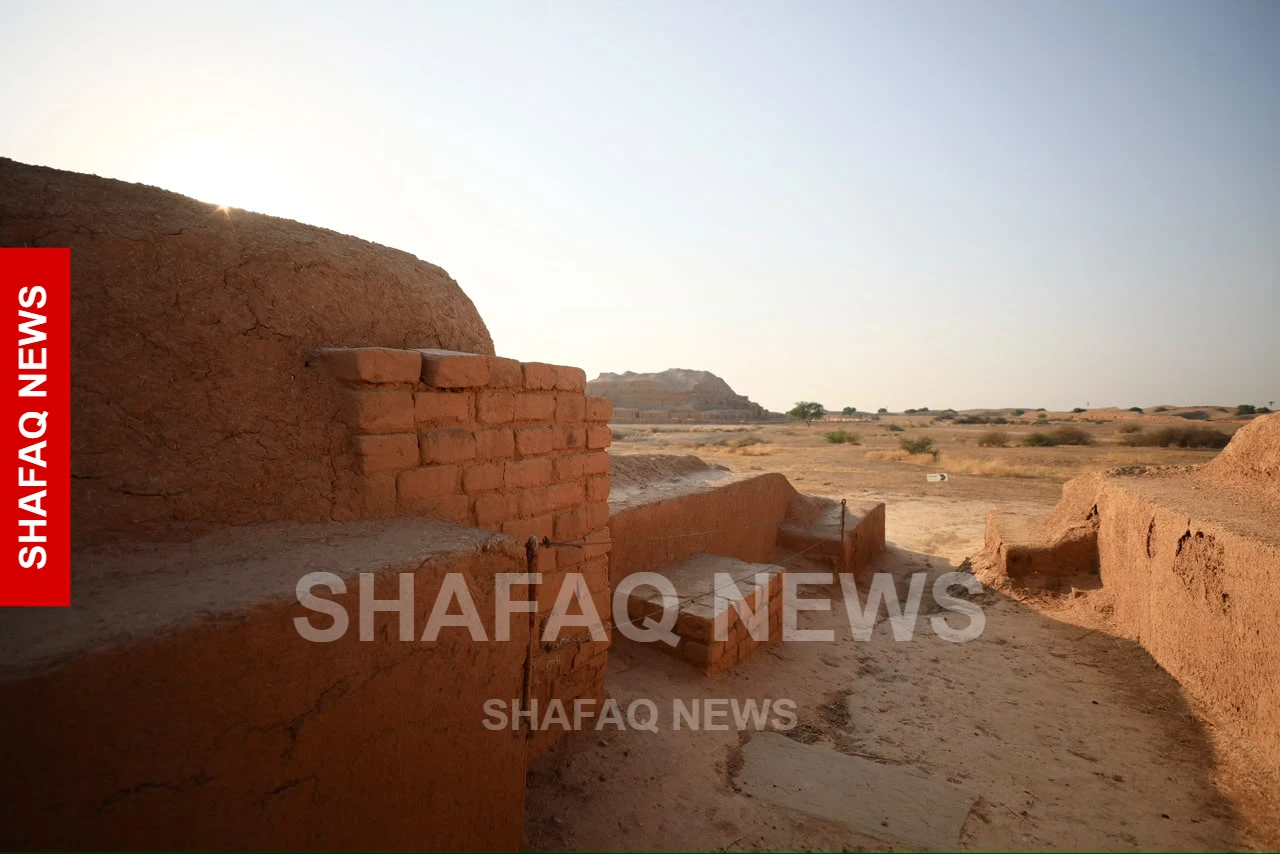
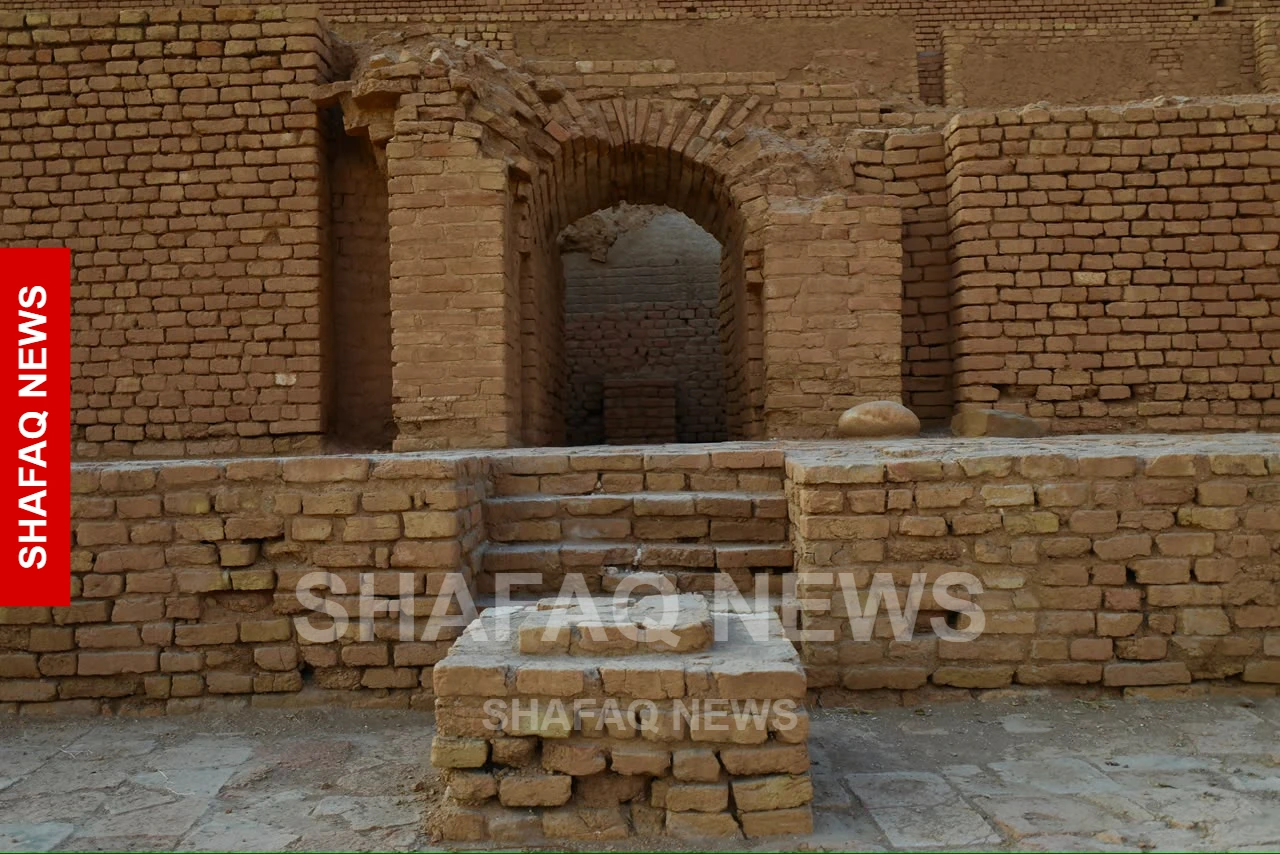
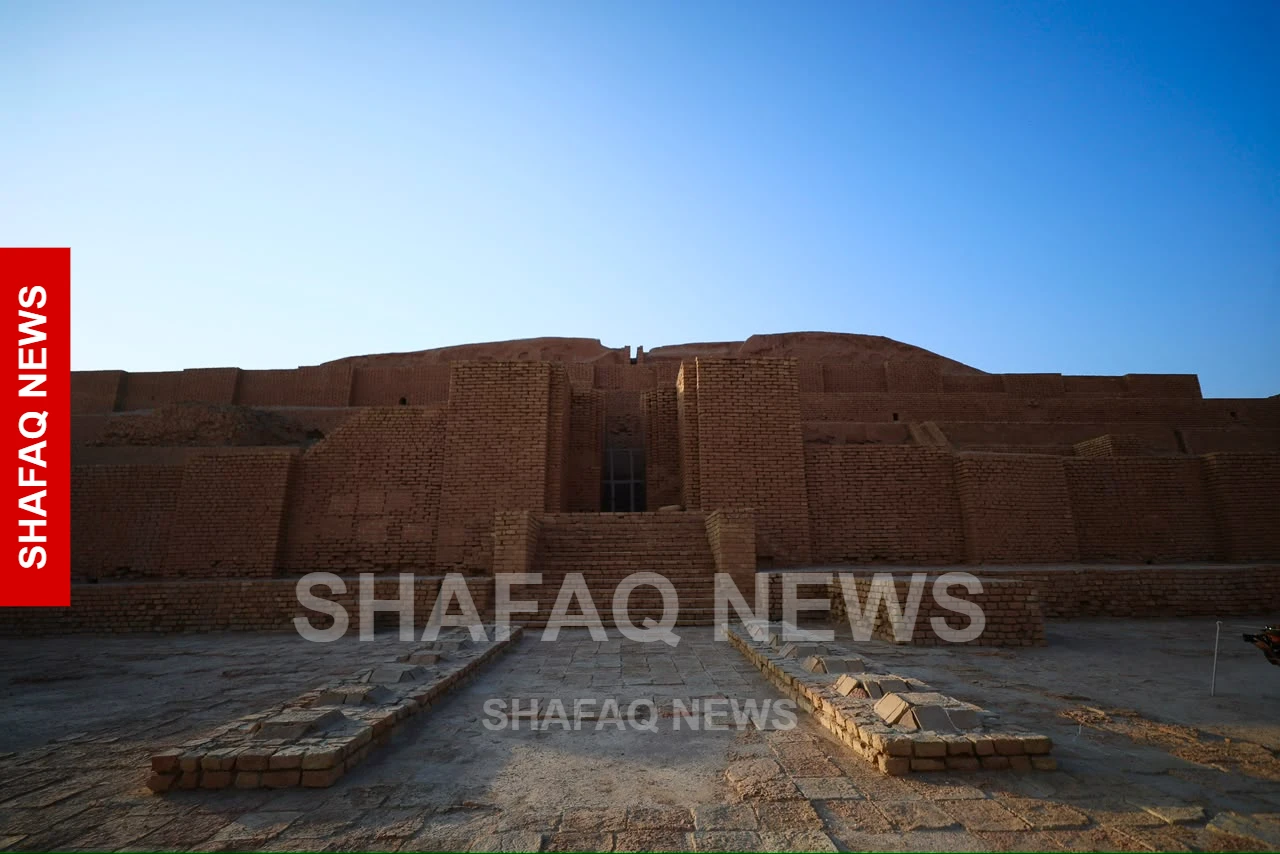
Constructed from mud bricks and fired bricks, the monument features cuneiform inscriptions in Elamite and Akkadian, providing insights into the civilization's religious beliefs, history and building techniques.
Mojaddam explained that Tchogha Zanbil was part of a larger religious complex surrounded by three concentric walls and containing temples, palaces and other structures.
The ancient city suffered destruction during the Assyrian campaigns against Elam, particularly under King Ashurbanipal in the seventh century BCE.
UNESCO designated Tchogha Zanbil a World Heritage Site in 1979, describing it as the largest ziggurat outside Mesopotamia and the best-preserved monument of its kind.
Today, the ziggurat rises about 25 meters, less than half its original estimated height, but remains exceptionally well preserved.
Read more: Iran’s Shush Castle showcases ancient brick heritage