Anfal mass grave in Najaf faces erasure after being used as storage


Shafaq News- Garmian
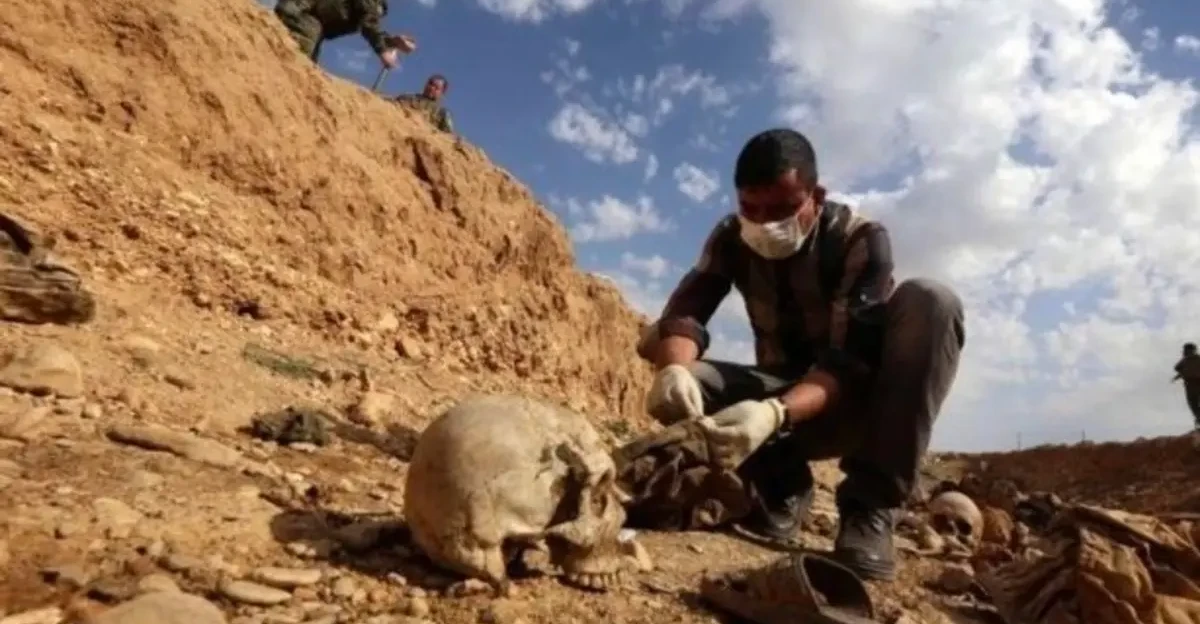
An Anfal victims’ mass grave containing around 180 remains in Iraq’s Najaf province is at risk of being erased after being repurposed for non-memorial use, Association for Defending the Anfal Cause head Akram Salih warned on Tuesday.
In a statement, Salih said the site, located in the Al-Haidariyah desert, had previously been opened but is now being used as a storage facility for irrigation equipment by local farmers. The situation “threatens the preservation of evidence related to the Anfal campaign,” particularly amid reports that the site could be converted into a mosque serving nearby residents.
A delegation of victims’ families from the Garmian area visited the site last year during commemorations for Mass Graves Day on May 16, after traveling to Baghdad and Najaf, where they observed the condition of the burial sites, he said.
Salih called on Iraqi and Kurdistan Region authorities, including the presidency, the federal government, the Ministry of Justice, and institutions responsible for martyrs and Anfal victims, to intervene immediately to prevent any changes that could erase the site.
“Preserving mass grave locations is a legal and moral obligation and a key component of documenting genocide crimes and preventing their recurrence.”
About the Genocide
The Anfal campaign, which began in 1986, intensified in 1988, and continued through 1989, was led by Ali Hassan Al-Majid— infamously known as "Chemical Ali." He served as Secretary General of the Baath Party’s Northern Bureau and military governor of the region, while the military operations were commanded by former Iraqi Defense Minister Sultan Hashim.
On May 3, 2011, the Iraqi High Criminal Court classified the Anfal campaign as a “crime against humanity and genocide,” convicting Al-Majid, who was also behind the chemical attack on Halabja. He was sentenced to death and executed on January 25, 2010.
The Kurdistan Regional Government has designated April 14 annually as a day of remembrance for the victims of this genocide.
Read more: Kurdistan remains a steadfast haven for the persecuted 40 years after the Anfal genocide