PMF strikes raise fears of broader regional conflict for Iraq


Shafaq News- Baghdad
Escalating tensions between the United States and Saudi Arabia and Iran-aligned armed factions could draw Iraq into a wider regional conflict, Iraqi and Saudi analysts told Shafaq News.
The warnings come as the Iraqi government confronts a major challenge in enforcing its monopoly on arms, preventing attacks on neighboring countries from Iraqi territory, and preserving its regional and international relationships.
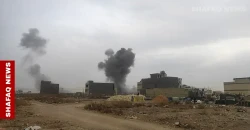
These concerns follow a series of rapid security and political developments after Saudi Arabia accused Iran-backed Iraqi factions of carrying out drone attacks on energy facilities inside the Kingdom. On Wednesday, July 29, US and Saudi forces launched airstrikes targeting sites linked to Iran-aligned factions inside Iraq, resulting in 22 deaths of the Popular Mobilization Forces (PMF) and 32 injuries.
Although accounts differ over responsibility for the attacks on Saudi Arabia, the latest developments have renewed debate over the state's ability to control weapons outside official institutions and impose a unified national security policy amid political divisions over the role of armed factions.
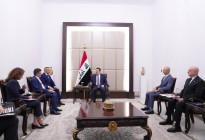
Saad Maan, head of Iraq's Security Media Cell (SMC), said the country's military and security institutions are working in close coordination under the direction of the commander-in-chief of the armed forces to maintain security, preserve stability, and strengthen operational readiness.
Maan told Shafaq News that the SMC is responsible for unifying official security messaging and providing accurate information from authorized sources to strengthen public confidence and limit the spread of inaccurate reports, adding that the Iraqi security forces continue to update precautionary plans, including strengthening border security, improving coordination among military and security commands, and responding to any violations within the framework of the law.
"Iraq follows a policy centered on protecting its national security and domestic interests, away from any tension or escalation that could threaten stability.”
Political analyst Mujasha al-Tamimi noted that the Iraqi government has several tools to contain the escalation, beginning with enforcing laws that restrict weapons to state control.
He explained to Shafaq News that recent remarks by Patriotic Shiite Movement leader Muqtada al-Sadr provide political backing that the government could use to give security institutions greater authority to secure Iraq's borders and prevent irregular armed groups from launching cross-border attacks.
He also called for preventive diplomacy through direct engagement with neighboring countries and international partners, intelligence sharing, and demonstrating the government's commitment to preventing activities that threaten regional stability.
Al-Tamimi stressed the importance of strengthening national dialogue to "build political consensus around a unified sovereign decision" that safeguards Iraq's foreign relations and prevents the country from becoming part of competing regional blocs.
Read more: Iraq's September deadline undercuts armed factions' case for weapons
Security and political affairs researcher Kadhim al-Juhaishi said al-Sadr's position reflects "a rational approach" within Iraq's political landscape, as he does not want Iraqi-Gulf relations to deteriorate or the region to slide into a new sectarian conflict.
“Calls for de-escalation by the Iraqi government and political forces suggest Iraq could overcome the current crisis,” he told Shafaq News, warning that if armed factions follow through on threats to attack Gulf states, Iraq could be drawn into a broader regional war with unpredictable consequences.
Saudi military expert and political analyst Abdullah bin Ghanem said Riyadh acted with "credible intelligence and surveillance," arguing that attacks launched from Iraqi territory against Saudi Arabia are not isolated incidents.
In remarks to Shafaq News, Bin Ghanem stated that Saudi Arabia had initially responded with restraint, “but repeated attacks led some armed groups to believe they could continue targeting the Kingdom without consequences.” He described Saudi-Iraqi relations as strategic and said the current developments do not necessarily threaten those ties. Riyadh, he argued, understands the pressures facing the Iraqi government and the complexity of the regional environment.
"The main problem lies with armed groups attempting to hijack state decision-making, and Iraq needs support to restore its sovereign authority."
Saudi academic and writer Khalil al-Khalil said Saudi Arabia targeted facilities belonging to Iraqi factions linked to Iran's Islamic Revolutionary Guard Corps after what he described as confirmed evidence of their involvement in launching missiles and drones toward the Kingdom.
Al-Khalil told Shafaq News that Riyadh had previously provided the Iraqi government with information and images related to attacks launched from Iraqi territory, but repeated incidents prompted military action.
"Saudi Arabia has the military capabilities to respond to any threat," he affirmed, noting that the continued presence of armed groups operating outside the state's full control remains a challenge for Iraq and its relations with the Arab world.