Iraq's new PM Ali al-Zaidi vows crackdown on corruption in first address


Shafaq News- Baghdad
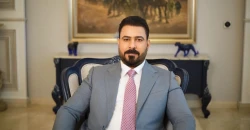
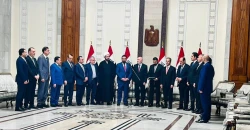
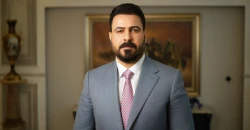
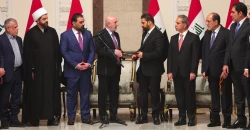
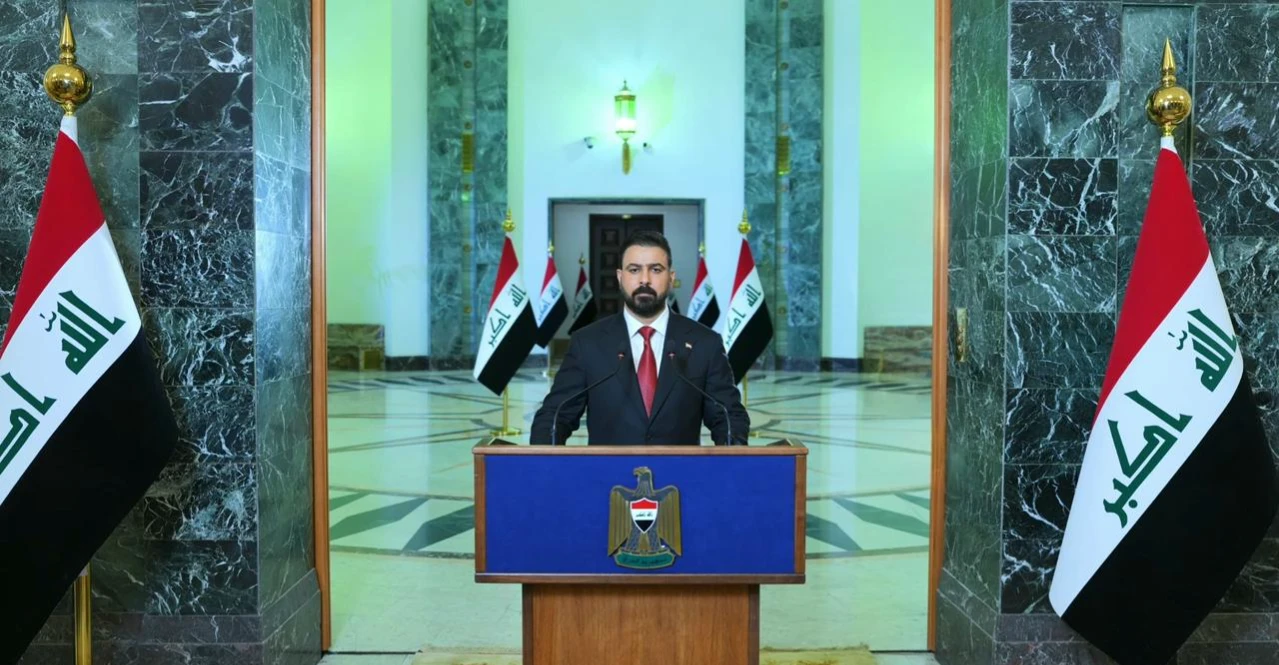
Iraqi Prime Minister Ali al-Zaidi on Saturday delivered his first address to the nation since assuming office, setting out a broad government agenda anchored in economic diversification and a declared commitment to combating corruption.
Speaking in a televised address marking his formal assumption of office, al-Zaidi said his government would work to reduce Iraq's dependence on a single revenue source —an implicit reference to the country's near-total reliance on oil exports —by activating the industrial, agricultural, tourism, and investment sectors.
Corruption, he said, constitutes "an obstacle to development that delays the progress of the state." The government would move to protect public funds and pursue administrative and financial corruption "in all its forms," al-Zaidi said, without detailing specific mechanisms or institutional mandates.
Job creation for youth was listed among the government's stated priorities to be pursued through development projects, investment incentives, and private sector partnerships. Al-Zaidi said his administration would work toward “equal” distribution of opportunities for all Iraqis, "free from favoritism," and grounded in the principles of citizenship and social justice.
Education and Healthcare
Commitments to the education sector included curriculum development and the rehabilitation of schools and universities. On healthcare, al-Zaidi said the government had plans to develop hospital infrastructure and extend medical services to citizens in both urban and rural areas, without specifying timelines or funding allocations.
Infrastructure, a persistent shortfall in successive Iraqi governments, drew pointed language from the prime minister, who said the services file "will no longer remain hostage to deferred promises." Projects targeting electricity, water, roads, bridges, and housing networks were referenced as priorities, again without detailed implementation schedules.
Governance and Foreign Relations
Al-Zaidi described his administration as "a government of institutions, law, and justice, open to all, listening to the citizen," and said it would work to consolidate security, protect Iraqi sovereignty, and develop Arab, regional, and international relations based on mutual respect and shared interests.
He also expressed gratitude to the Supreme Religious Authority, Ayatollah Ali al-Sistani, the most influential Shia cleric in Iraq, whose endorsements have historically shaped the country's political landscape, for "wise positions and a role in preserving social peace," and acknowledged Iraq's various religious and national communities.