Iraq orders legal action against those obstructing weapons control


Shafaq News- Baghdad
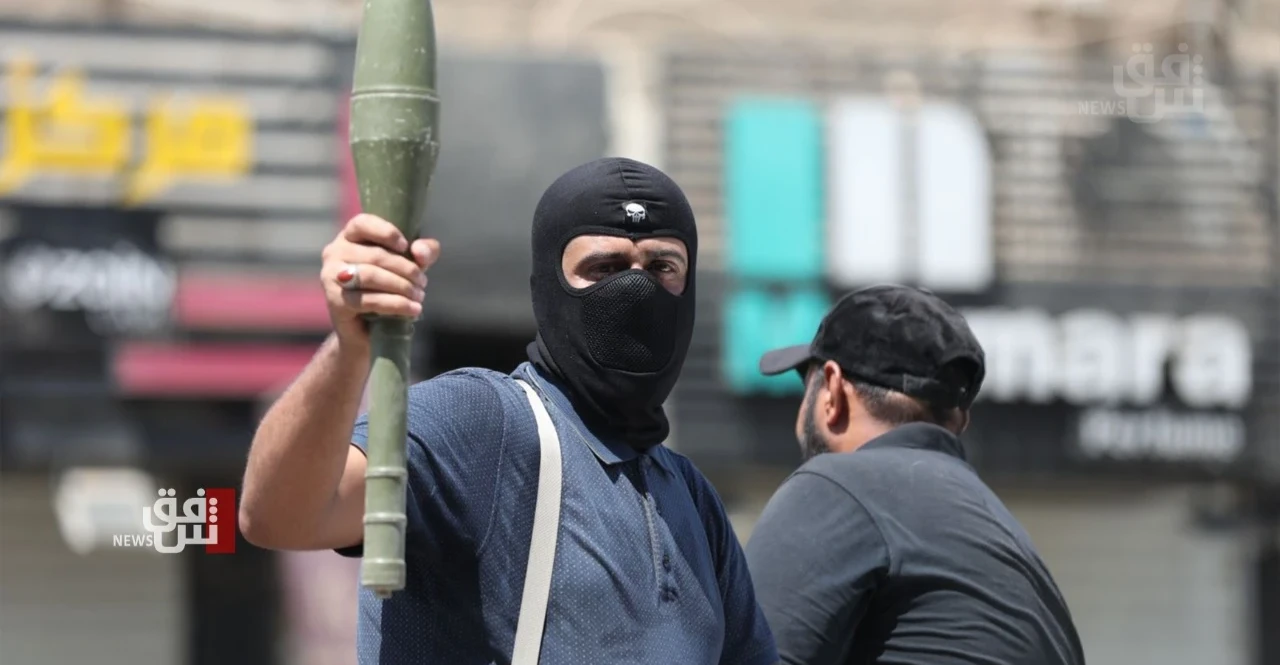
The Iraqi government on Monday directed state institutions to enforce the law and file criminal complaints against those who use the media to incite violence or obstruct state decisions aimed at bringing weapons under state control.
The Prime Minister’s Media Office affirmed that the freedoms of opinion and expression, along with the freedom to engage in media work, are guaranteed under the Constitution and the law, but “these freedoms must not be used as a means to incite violence or internal fighting, support the use of weapons outside state authority, or support outlawed groups.”
The statement added that, to preserve social peace and enable the state to fulfill its legal and moral duties and responsibilities, the government requires all its institutions to enforce the law and file criminal complaints against anyone who engages in, participates in, or contributes to incitement through the media, or obstructs state decisions to bring weapons under the exclusive control of the state.
It stressed that this position must be grounded in the Iraqi Constitution and the laws in force, particularly Articles 4 and 2 of Anti-Terrorism Law No. 13 of 2005.
Read more: What happens to Iraq's armed factions after September 30?
Citing the Supreme Judicial Council, which affirmed that “the use of weapons, support for their use, or brandishing them outside the framework of the state falls under the provisions of the Anti-Terrorism Law, the government said that “under the law, the penalties imposed on those who incite, finance, or contribute to terrorist acts may extend to those prescribed for the principal perpetrators.”
It also referred to Article 195 of the Iraqi Penal Code No. 111 of 1969, as amended, which addresses inducing citizens to take up arms against one another and inciting them to engage in fighting.
Articles 81, 82, and 83 of the Penal Code concern criminal liability for crimes committed through publication. The statement explained that these provisions establish legal responsibility for those directly responsible for publication and its content when publicly disseminated media content constitutes a crime that threatens societal security and incites its commission.