PM Adviser: Iraq keeps fuel subsidies to cushion devaluation


Shafaq News- Baghdad
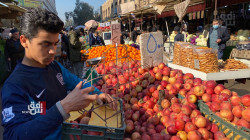
Iraq continues to subsidize fuel and basic services and may cut or postpone customs duties on food and essential goods when needed to soften the impact of last week's devaluation of the dinar on prices, Mudhir Saleh, financial and economic adviser to the prime minister, told Shafaq News on Tuesday.
The government's immediate response has also included keeping food and medicine supplies steady, while Saleh called for tighter oversight of markets to stop traders from exploiting the new exchange rate to raise prices without justification, and for support to be directed to those hardest hit.
On inflation, the adviser did not give a figure. “Its size will depend on how much the rate changed, how heavily Iraq relies on imports and how much of the higher cost of dollars reaches consumers.” The effect could show up in the prices of food, medicine, consumer goods and building materials, as well as in transport and production costs, though a precise estimate would require actual price data.
Fighting inflation, he added, must take account of available resources, and avoid unplanned spending that could add new pressure on monetary and financial stability.
Lasting stability, according to Saleh, cannot rest on monetary measures alone in an economy that depends on oil for most of its budget and foreign currency. It requires the Central Bank, government spending and trade policy to work in step, narrowing the gap between the official and parallel-market rates and strengthening confidence in the banking system.
As for the Central Bank, Saleh said its role goes beyond selling dollars to managing liquidity, regulating foreign transfers and cracking down on fraudulent transfers and invoice manipulation that feed currency speculation.
"The real measure of economic policy's success is not only a stable official exchange rate, but how that stability is reflected in the prices of goods and services and in people's living standards," Saleh said.
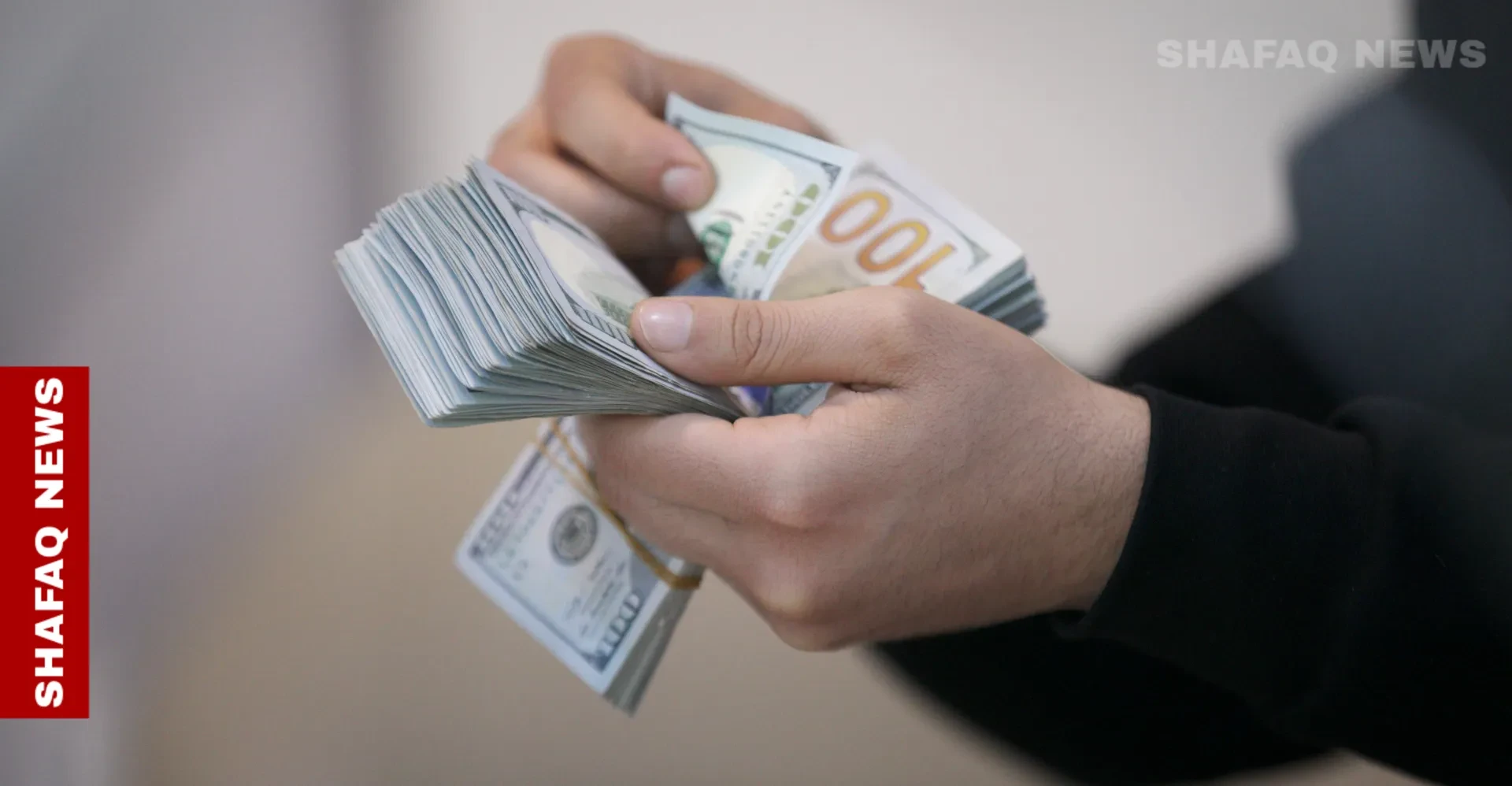
Iraq devalued the dinar on October 7, 2026, raising the official rate for selling cash dollars to the public from 1,320 to 1,520 dinars per US dollar.
Read more: Iraqi dinar devaluation sparks backlash from blocs inside the cabinet