Iraq overhauls import fees with advance customs payments


Shafaq News- Baghdad
Iraqi importers will have to pay estimated customs duties and tax deposits before transferring money abroad for imported goods from Oct. 1, under a new mechanism that traders warn could increase upfront costs and put additional pressure on businesses.
The Cabinet approved the advance-payment system on Aug. 18. Under the decision, importers will deposit funds intended for foreign transfers with licensed banks, but the money will not be sent abroad until they pay estimated customs duties and tax deposits through the ASYCUDA system, a computerized customs management platform, and approved electronic payment channels.
The estimated amount will be calculated from preliminary import data, including commercial invoices, shipping documents, customs classification, the type and origin of the goods and their declared value.
New Tariff System
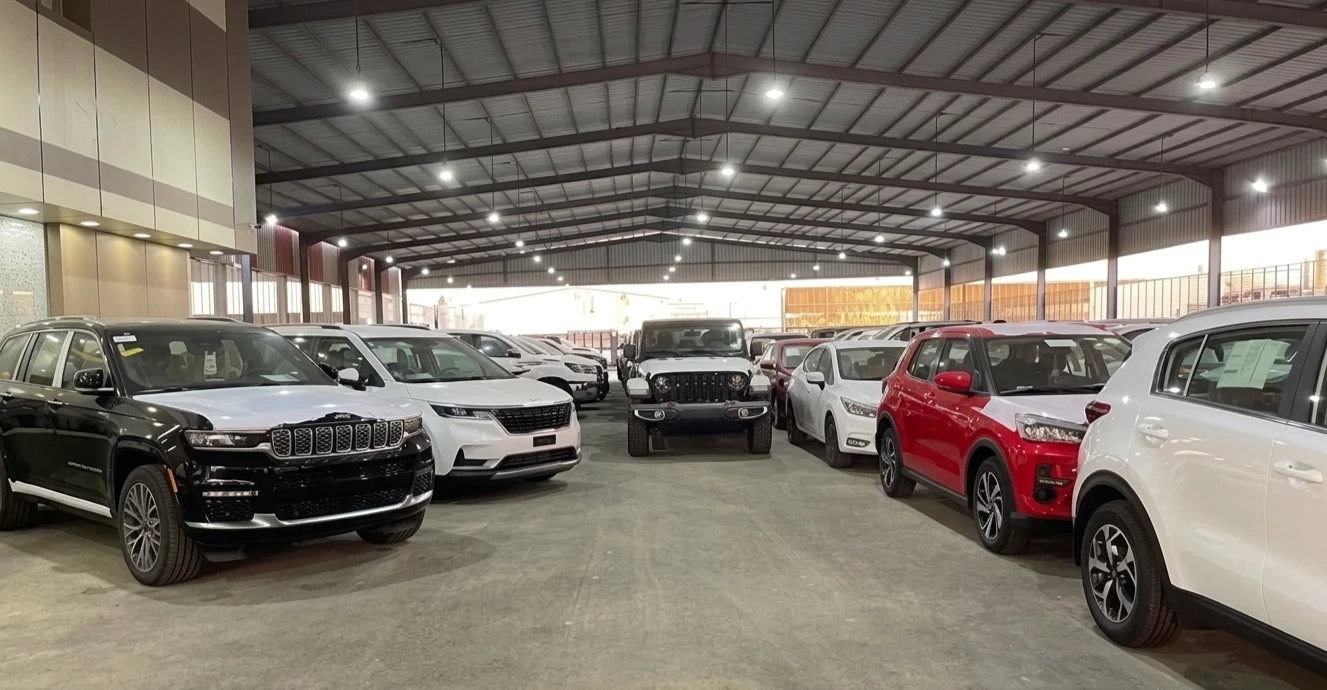
Iraq’s General Commission of Customs announced in late December 2025 that the new tariff would take effect on Jan. 1, including a 15% customs duty on vehicles and the removal of a previous exemption for hybrid cars.
Read more: Iraq’s updated customs tariffs, legal dispute, and market impact
The Commission subsequently said Cabinet Resolution No. 957 of 2025 ended the flat-fee system for containers, with goods instead assessed according to their classification under Customs Tariff Law No. 22 of 2010.
Customs officials have said tariff rates vary by product, starting at 5%, while ASYCUDA calculates duties using criteria such as weight or quantity depending on the type of goods.
Traders Question Upfront Payments
Baghdad Chamber of Commerce spokesperson Rashid al-Saadi told Shafaq News that businesspeople and importers raised concerns over the advance-payment mechanism at a meeting convened last Wednesday by the Trade Ministry’s Private Sector Development Department.
Tax deposits amount to 3%, while customs duties vary by classification and can reach 30%, 35% or, in some cases, 40%, according to al-Saadi.
He said the Chamber does not oppose paying legally required taxes and customs duties but objects to the additional burden created when importers must make payments before receiving their goods.
Read more: How Iraq’s customs overhaul is reshaping trade
“The equation is unbalanced,” al-Saadi said, arguing that businesses and citizens pay taxes and duties without receiving a corresponding level of public services.
The Federation of Iraqi Chambers of Commerce plans to raise its concerns with government bodies. Al-Saadi said the business community and the Private Sector Development Department agreed to prepare recommendations for submission to the Customs Commission and the Cabinet Secretariat.
Protecting Domestic Production
Parliament’s Finance Committee supports full implementation of the customs tariff, committee member Jamal Kocher told Shafaq News, arguing that the policy is not solely about raising revenue but also protecting domestic production.
Under the previous system, Kocher said, containers could incur similar charges regardless of what they carried. The new approach instead calculates duties according to the classification and value of goods or the applicable unit of measurement.
Products covered by measures intended to protect Iraqi producers may face substantially higher tariffs than other imports, he added.
The changes form part of a broader customs automation program. By June, the Customs Commission said 25 customs centers had been automated and that work was underway on a single-window system involving 15 ministries and government bodies.
The Commission has also reported progress in talks with the Kurdistan Region to unify customs procedures and bring the Region’s border crossings under ASYCUDA.
What It Could Mean For Car Prices
Economist Ahmed Eid said the impact of the 15% vehicle tariff should be distinguished from the eventual increase consumers may see in showroom prices.
“A 15% tariff does not necessarily mean that the price of a car will rise by 15%,” Eid told Shafaq News, noting that final prices also depend on the customs valuation, transportation and import costs and dealers’ margins.
Claims that vehicle prices could rise by as much as 30% require greater official clarity about how charges are calculated, he said. The impact could also vary among US, Gulf and other imported vehicles depending on their value, type and customs classification.
Higher import costs could eventually affect vehicles already on the Iraqi market by increasing their replacement cost, Eid said.
While the tariff could help Iraq increase non-oil revenue, he added, it could also raise the cost of vehicle ownership, making clear and transparent implementation important to prevent unjustified price increases.