Iraq’s date harvest thrives in extreme heat, but water crisis bites


Shafaq News- Baghdad
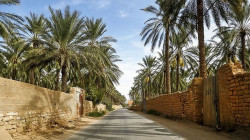
As temperatures top 50 degrees Celsius across parts of Iraq this August, the country’s date palms are entering their peak ripening season, with growers expecting a strong harvest even as water shortages, salinity and rising production costs put increasing pressure on orchards.
Abbas Ali, a member of Iraq’s farmers’ associations, told Shafaq News that the date industry has shown a marked recovery in recent years, with annual production exceeding 850,000 tonnes and the number of palms continuing to increase.
Around 700,000 tonnes are exported to Arab and international markets, he said, making dates a major component of Iraq’s agricultural exports.
Read more: How Baghdad’s Backyards Are Bringing Back Iraqi Dates
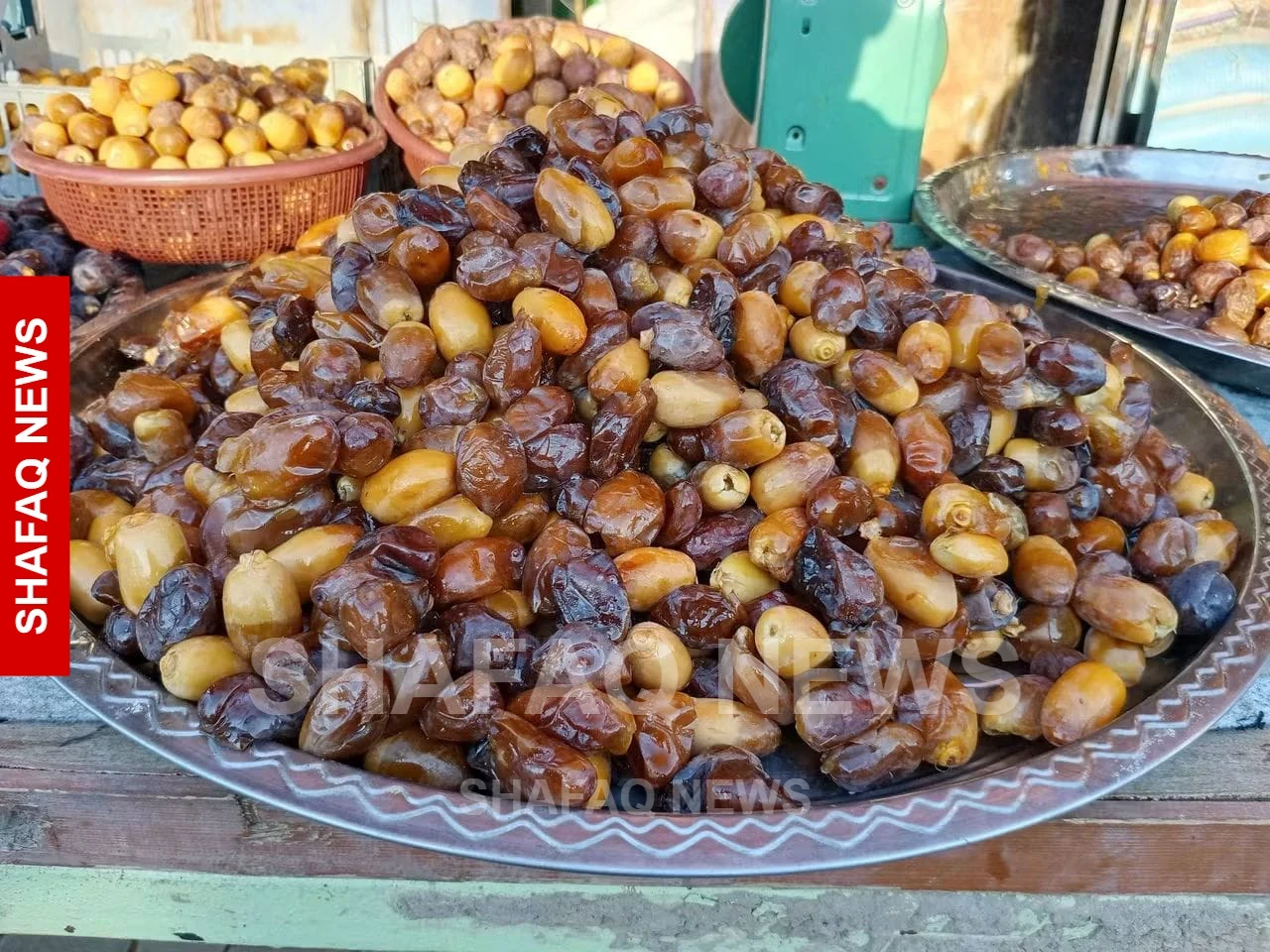
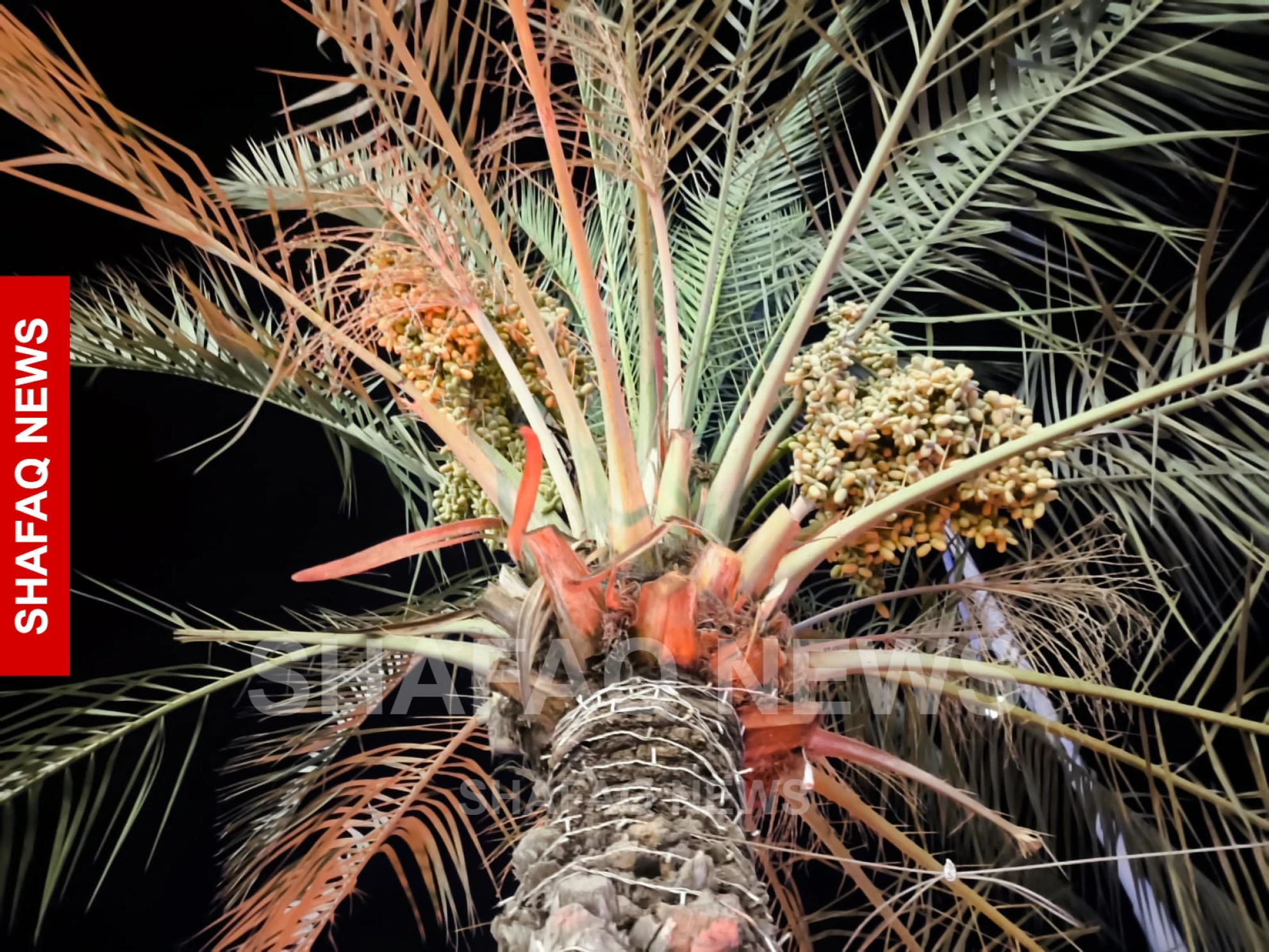
August is a critical stage in the date-growing cycle, when fruit progresses from the khalal and bisr stages to rutab and eventually fully ripened dates. High temperatures are essential for this process, helping increase sugar content and improve quality.
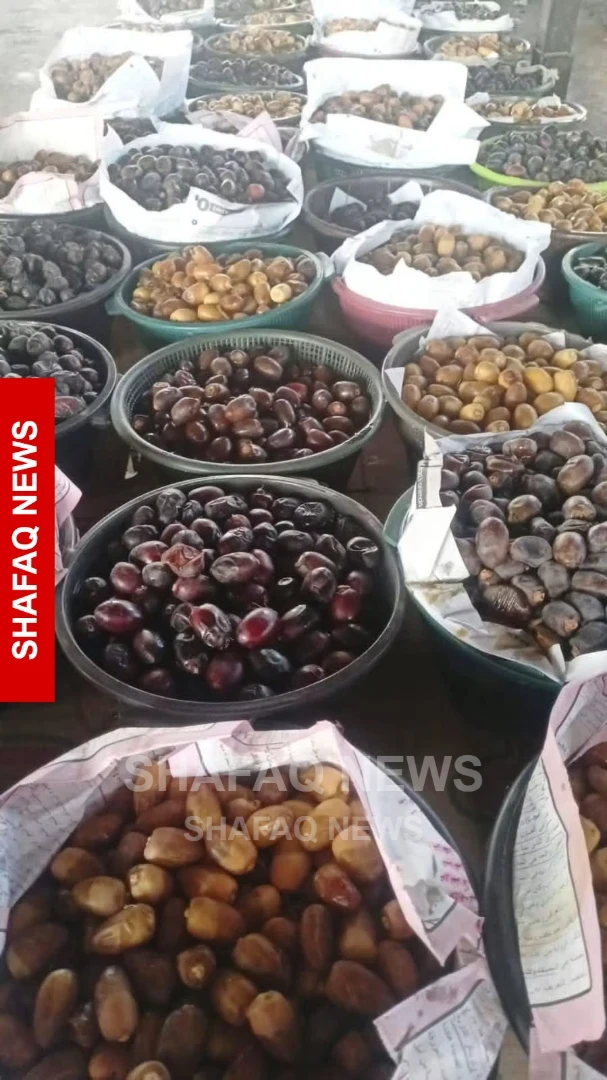
Agricultural expert Jassim Mohammed told Shafaq News that Iraq’s hot, dry summer provides favorable conditions for major varieties including Zahdi, Khastawi, Barhi and Khadrawi.
But extreme heat becomes a threat when combined with insufficient water.
Mohammed said higher temperatures increase palms’ irrigation needs and can expose fruit to heat stress and premature dropping when water supplies are inadequate. He called for wider adoption of modern irrigation systems and stronger agricultural extension programs.
He said Iraq has more than 22 million date palms, placing it first globally in the number of trees and fourth in date production.
Read more: The Black Land: Four decades оf land reclamation threatens Iraqi agriculture
Water Scarcity Hits Growers
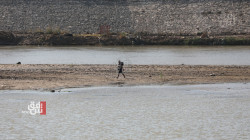
In Wasit, farmer Jabbar al-Hajjami said growers are facing a difficult season because of extreme temperatures and reduced water releases, although better irrigation management has helped preserve the crop.
Farmers increasingly irrigate at night and in the early morning to reduce heat-related losses, he said, predicting production could nevertheless exceed last season’s.
In Babil, farmer Haider al-Rubaie described August’s extreme heat as a “double-edged sword.” While it accelerates the ripening of varieties such as Zahdi and Khastawi, it also increases palms’ water requirements just as rivers and irrigation channels are running low.
Al-Rubaie called for greater government support for irrigation equipment and pest-control programs to maintain crop quality and limit losses.
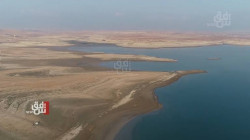
Conditions are more complicated in Basra, where farmer Ali Hussein said orchards along the Shatt al-Arab face the combined pressures of extreme heat, increasing salinity and declining freshwater supplies.
Read more: From drought to saltwater: Iraq's deepening water crisis
Palms are still producing good yields, he said, but growers need better marketing, packing and cold-storage facilities. Some of Basra’s varieties have strong demand abroad, he added, but inadequate infrastructure can result in post-harvest losses.
Read more: Salinity and drought ravage Iraq’s historic farmlands