Iraq’s dollar rate increase draws lawmaker backlash


Shafaq News- Baghdad
Iraq’s Finance Ministry said on Wednesday that it had adopted a base exchange rate of 1,500 Iraqi dinars per US dollar and suspended advance customs payments, prompting lawmakers to seek an emergency parliamentary session to reverse the currency decision.
Approved under Cabinet Resolution No. 544 on Oct. 6, 2026, the measures revised the official exchange rate and suspended Resolution No. 413 governing advance customs collection.
Following an emergency recommendation from the finance minister and Central Bank of Iraq governor, the Cabinet established three rates: 1,500 dinars per dollar for purchases from the Finance Ministry, 1,510 for sales to banks, and 1,520 for sales by banks and non-bank financial institutions to customers.
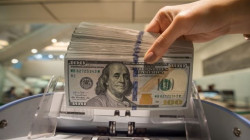
The adjustment raises the official retail rate from 132,000 to 152,000 dinars per $100, making each $100 purchase 20,000 dinars more expensive.
Read more: Why Iraq's dinar keeps sliding despite fresh US cash
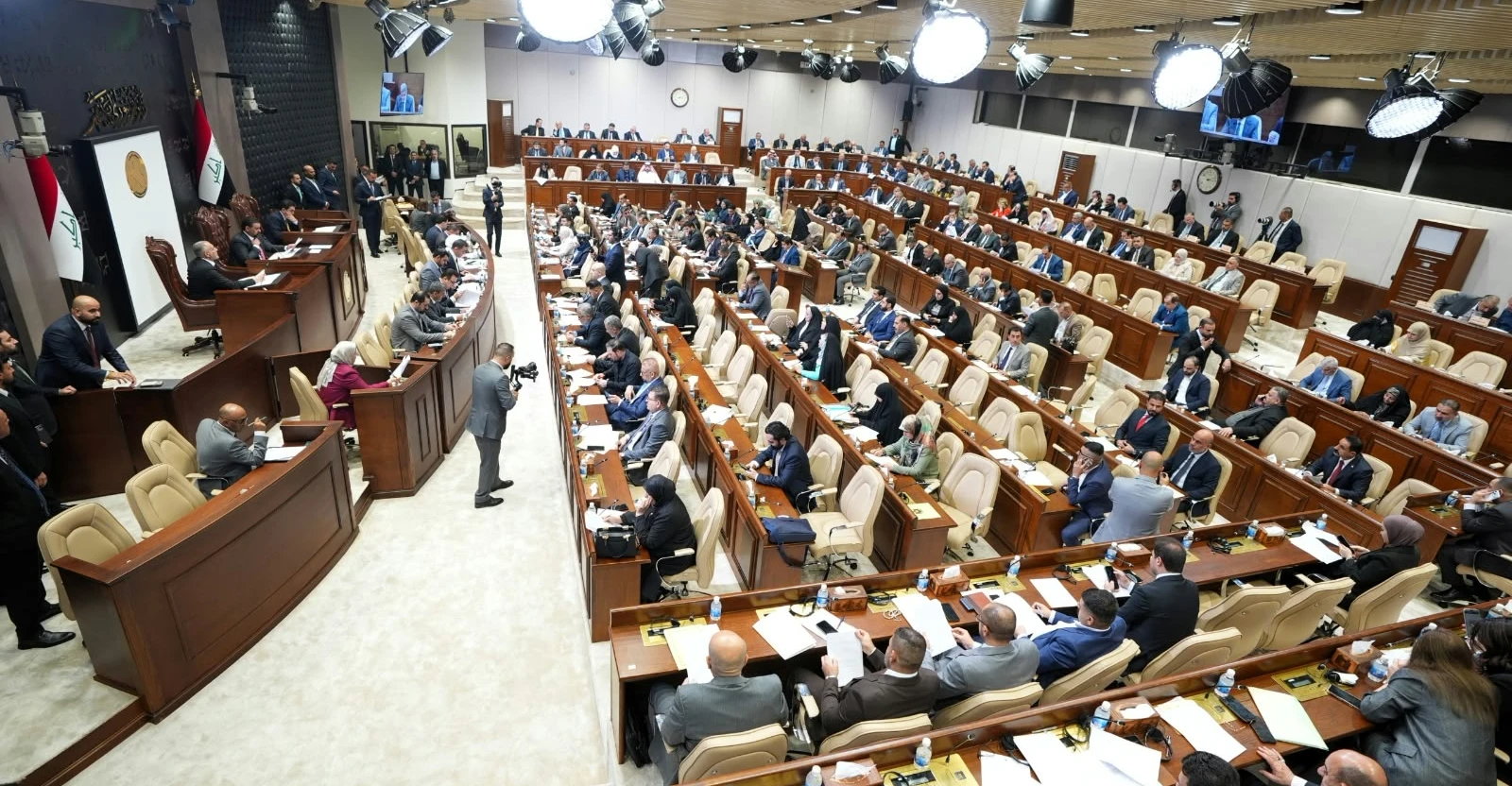
Concerned about rising consumer prices, lawmakers called for an emergency parliamentary session to reconsider the move. In a statement, MP Ibtisam Al-Hilali of the State of Law Coalition argued that, if the government sought to address the financial crisis through the exchange rate, it should be set at 1,400 dinars per dollar or lower to limit the impact on food prices. Parliament, she added, would have a say in any exchange-rate change through the budget law, in consultation with the government, to help control the parallel-market rate.
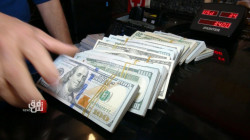
The revised rate brings the official price closer to that of the parallel market, where Baghdad exchange shops were selling $100 for 168,500 dinars on Wednesday.
Economist Ali Daadoush previously attributed the disparity largely to limited access to dollars through official banking channels rather than insufficient reserves, saying restrictions on overseas transfers, informal trade, speculation and market expectations were widening the gap and raising import costs.
Read more: Iraq overhauls import fees with advance customs payments
Customs procedures have also added pressure. The suspended mechanism, approved in August and scheduled to take effect on Oct. 1, required importers to pay estimated duties and tax deposits before banks could transfer funds abroad to cover imported goods.
Under the system, authorities calculated payments through ASYCUDA using invoices, product classifications, and declared values. Baghdad Chamber of Commerce spokesperson Rashid al-Saadi previously told Shafaq News that customs duties could reach 30%, 35% or, in some cases, 40%, in addition to a 3% tax deposit, significantly increasing upfront expenses.
Read more: Can Iraq’s economy weather a wider regional shock? Experts differ