Iraq explores alternative oil export routes amid Strait of Hormuz concerns, MP says


Shafaq News- Baghdad
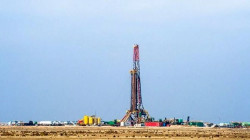
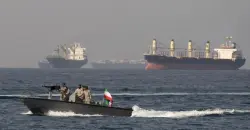
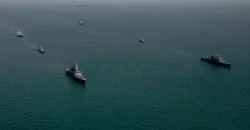
The Iraqi government is pursuing multiple options to secure alternative oil export routes, as regional tensions disrupt shipments through the Strait of Hormuz and reduce output from southern oil fields, an Iraqi lawmaker said on Friday.
Ali Shaddad, a member of parliament representing Basra province in southern Iraq, told Shafaq News that authorities are working on contingency plans to maintain exports despite logistical and security challenges affecting the country’s primary export corridor.
These efforts follow a sharp drop in Iraq’s oil production from its main southern fields, which has declined to between 800,000 and 1.3 million barrels per day (bpd), compared to about 4.3 million bpd before the recent escalation. The decline has been attributed to storage facilities reaching full capacity and a halt in southern exports due to the absence of tankers at loading ports.
Shaddad said one immediate option under consideration involves transporting oil by tanker trucks to neighboring countries, including Turkiye, Jordan, and Syria, as a temporary measure to sustain export flows. “Initial steps will focus on selling fuel oil to reduce stockpiles at refineries, where accumulation has forced some production units to shut down,” he added, noting that Iraq’s State Organization for Marketing of Oil (SOMO), the state entity responsible for crude sales, has made progress in this area by issuing tenders, some of which have already been awarded to specialized companies to purchase fuel oil.
Transportation, he explained, will be handled by buyers, with no liability borne by the Oil Ministry or SOMO for potential damages during transit.
According to Shaddad, authorities are coordinating with security agencies to protect tanker routes and may allow foreign tanker trucks to operate if domestic capacity proves insufficient. “Around 25,000 tons of fuel oil are currently available for export under this arrangement,” he said, adding that successful implementation could lead to expanded export operations in later stages.
He also stressed that boosting exports is critical for Iraq, which is facing financial pressure and relies heavily on oil revenues to cover public spending.
Separately, Shaddad revealed that recent meetings with the Oil Ministry highlighted the need to accelerate work on key pipeline projects. These include the planned Basra–Aqaba pipeline to Jordan, with a projected capacity exceeding 600,000 bpd, and the Iraq–Turkiye pipeline, which can carry about 400,000 bpd. “Together, they could enable exports of roughly one million barrels per day.”
Shaddad noted that delays in completing these pipelines have resulted in significant financial losses, particularly as global oil prices approach $100 per barrel, limiting Iraq’s ability to offset reduced exports amid ongoing regional risks.
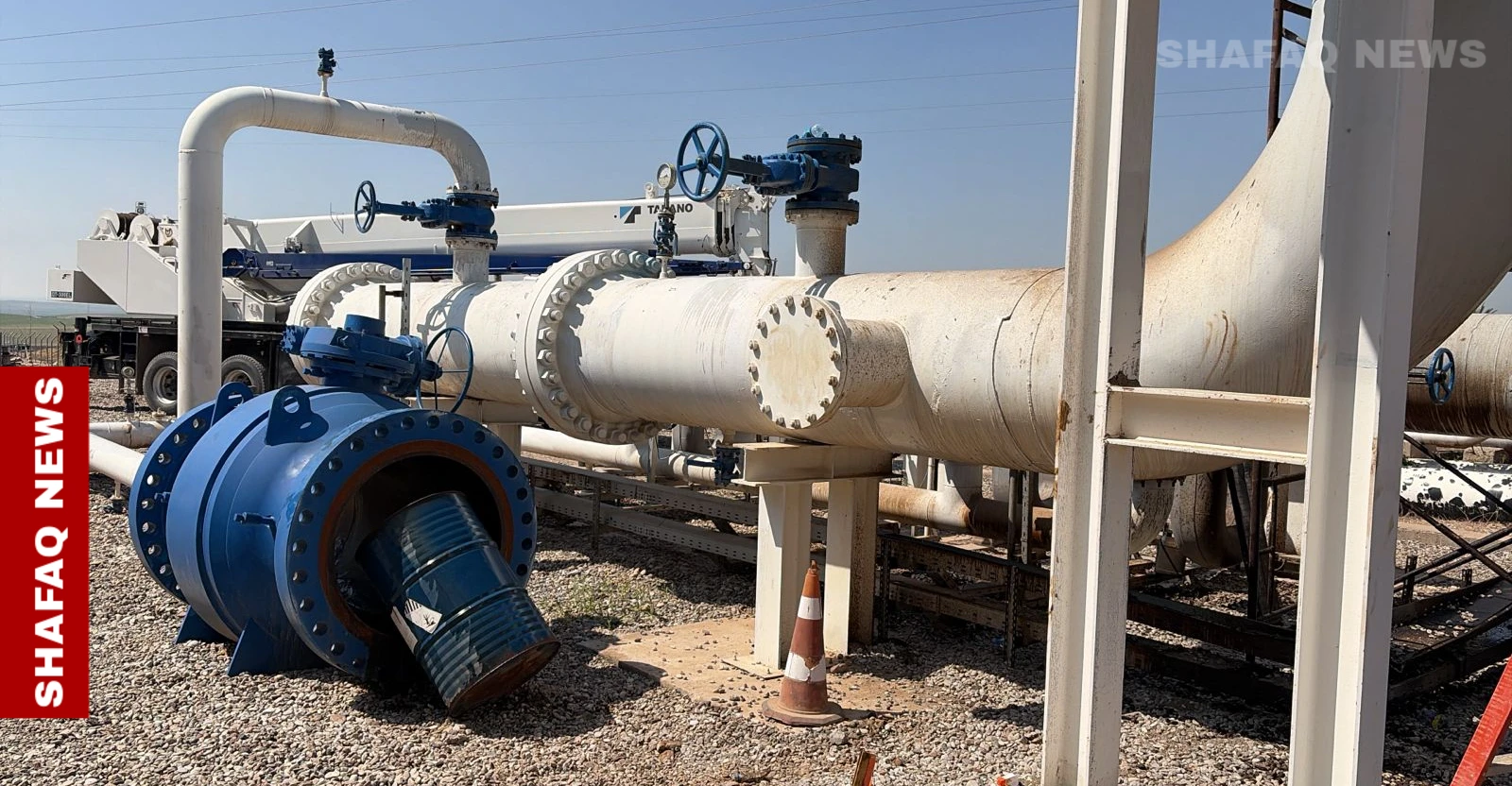
The lawmaker also said the strategic Iraq–Jordan pipeline suffers from more than 4,000 defects and leaks. Although the Oil Ministry has pledged to complete repairs within seven days, he expressed doubt about meeting that timeline given the extent of the damage.
Read more: Iraq's energy vulnerability: When a petro-state has no buffer