Iraq-Syria energy cooperation could transform bilateral ties


Shafaq News- Damascus
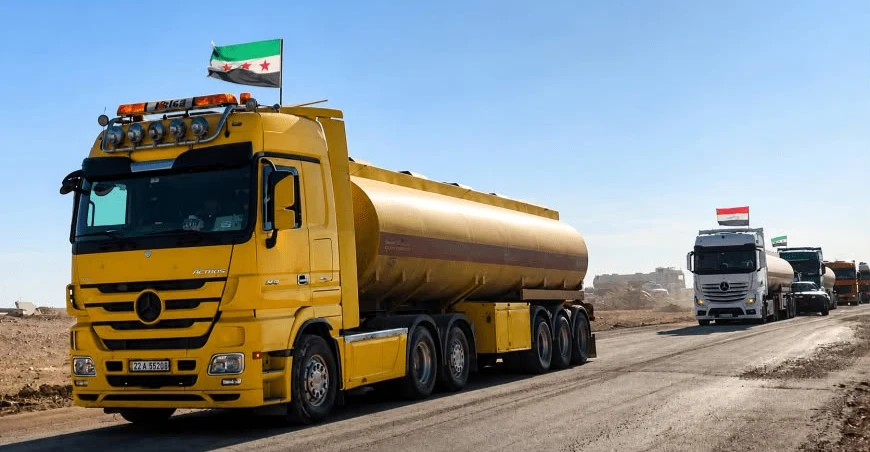
Cheaper Iraqi oil and gas could anchor a long-term economic partnership between Iraq and Syria while easing pressure on Syrian industry, the head of the Gas and Energy Committee at the Damascus Chamber of Industry told Shafaq News on Tuesday.
Mohammad Marwan Orfali said high energy costs are the most significant challenge facing Syrian manufacturers, arguing that Iraq's geographic proximity would substantially cut transport costs and allow fuel to reach Syria at lower prices, reducing production expenses and giving the government room to lower energy prices for consumers.
"Increasing Iraqi oil and gas supplies would directly benefit Syria's electricity, transport, and industrial sectors," he said, adding that cheaper energy would enable factories to expand output, attract investment, and create jobs.
Orfali said the partnership should extend beyond fuel supplies to include rehabilitating oil infrastructure, developing joint pipeline projects, establishing electricity interconnection, and supplying Syria with oil, gas, and electricity at preferential prices, “a framework that would serve both countries' interests and open new opportunities for trade and investment.”
On July 17, Baghdad and Damascus signed a memorandum of understanding under US sponsorship to reactivate the Kirkuk-Baniyas oil pipeline, aiming to resume Iraqi crude exports to Mediterranean ports through Syrian territory and diversify Iraq's export routes after the closure of the Strait of Hormuz.
Deputy Minister of Economy and Industry Mohammad Yassin Houri told Shafaq News earlier that Syria is planning to establish joint industrial and economic zones with neighboring countries, including Iraq, to reduce transportation costs, attract investment, and deepen regional market integration.
Abdul Razzaq Habaza, secretary-general of the Syrian Consumer Protection Association, also called for greater support for joint Syrian-Iraqi investment projects and proposed establishing a joint free trade zone similar to the Syrian-Jordanian free zone to boost trade, investment, and economic integration.