Baghdad unveils pipeline plan to reduce reliance on Hormuz


Shafaq News- Washington
Iraq plans to diversify its oil and gas export routes through a new pipeline network backed by a consortium of US and Qatari companies, Oil Minister Bassem Mohammed Khudair stated on Tuesday, outlining Baghdad's strategy to reduce its heavy reliance on the Strait of Hormuz.
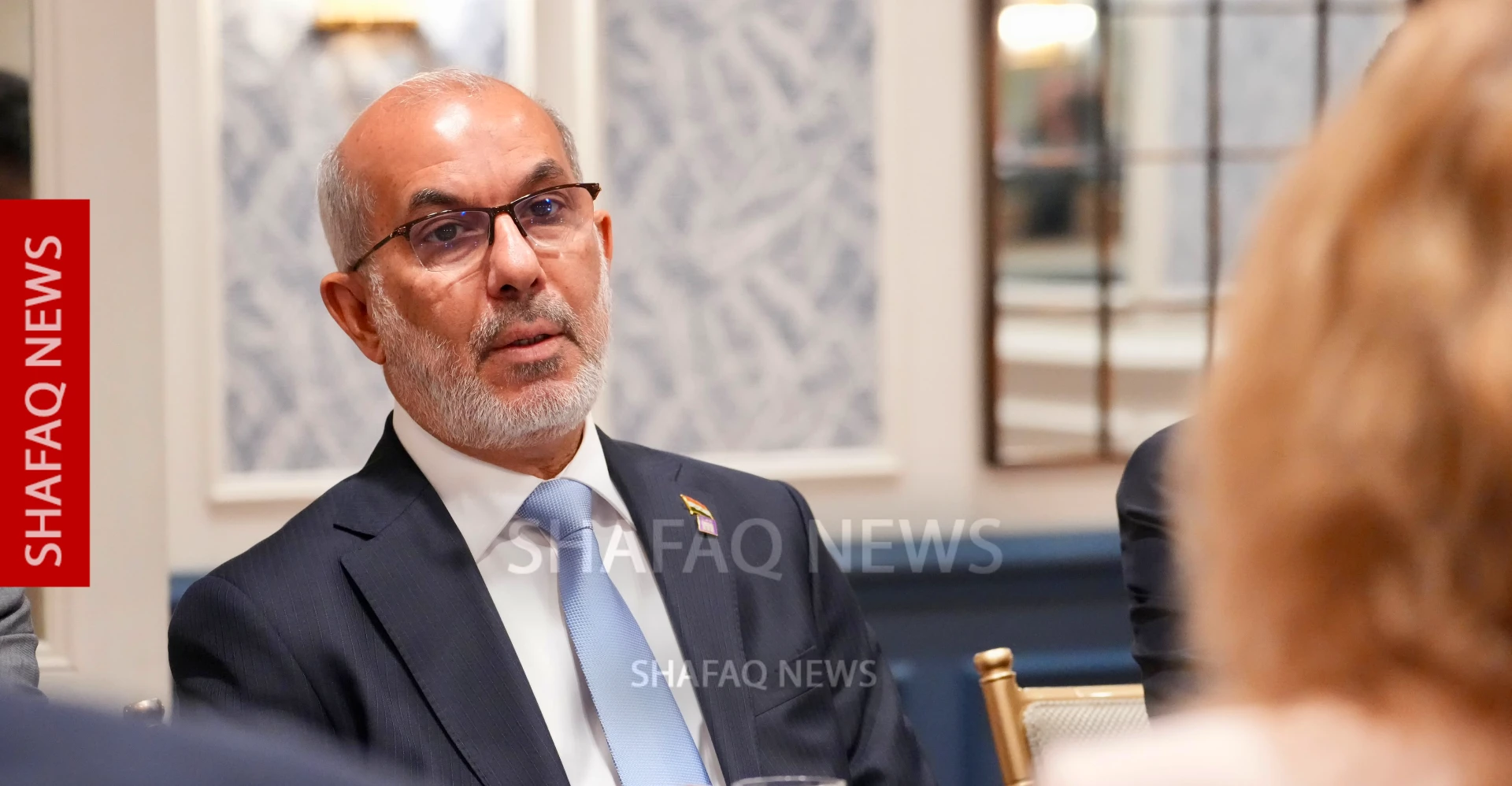
Speaking to reporters from the Iraqi delegation's headquarters in Washington, Khudair said Iraq's vast energy reserves require multiple export outlets, adding that financial and economic constraints had previously prevented the country from pursuing that strategy.
“Iraq had formed a consortium that includes US companies TI Capital and Chevron, alongside Qatar's UCC, with an Iraqi oil company expected to join the project as a partner.”
According to Khudair, the consortium will build a pipeline system extending from Basra in southern Iraq to Fish Khabur on the Turkish border, where it will connect to the Turkish port of Ceyhan. Another branch will run from Haditha in western Iraq to Syria's Baniyas port, he noted, calling the routes a “two additional lungs” for Iraq's oil exports alongside the Strait of Hormuz.
Khudair also outlined Baghdad's efforts to expand natural gas production to meet domestic electricity demand. He highlighted ongoing work at the Akkas and Mansuriya gas fields, TotalEnergies' project at the Artawi field, and gas exploration projects included in Iraq's fifth and sixth licensing rounds.
“Iraq expects the coming period to bring a major workshop for the oil and electricity sectors, with broad participation from US companies,” he said, describing the Iraq-US partnership as mutually beneficial.
Khudair also confirmed that Baghdad is negotiating with the Organization of the Petroleum Exporting Countries (OPEC) to increase Iraq's export quota. He urged OPEC+ members to consider Iraq's exceptional historical and economic circumstances, arguing that a higher export ceiling would provide the revenue needed for reconstruction and to improve living standards.
Addressing security concerns raised by some US energy companies, Khudair stated that Iraq has long provided a stable operating environment for 15 to 20 major international firms, including BP, Eni, and several Chinese companies. He acknowledged that the recent war had temporarily affected oil exports and production levels.
On relations with the Kurdistan Region and companies operating there, Khudair affirmed that the federal Oil Ministry, the Kurdistan Regional Government (KRG), and oil companies had signed a tripartite agreement requiring all crude exports to pass exclusively through Iraq's State Organization for Marketing of Oil (SOMO) under its established procedures.
“Baghdad continues discussions with companies operating in the Kurdistan Region to increase production capacity and boost exports.” The US-based HKN Energy plans to sign a contract with the Iraqi government soon to develop the Hamrin field, Khudair said, stressing that Baghdad supports all foreign investors, whether American or European.