Aleppo factories revive despite soaring production costs


Shafaq News- Damascus
Aleppo's Sheikh Najjar Industrial City is gradually recovering from years of war-related damage, with 291 factories beginning production in 2026 and 515 industrial plots receiving building permits. However, manufacturers say rising energy costs, shortages of skilled workers and limited access to financing continue to hamper recovery.
The industrial city's administration told Shafaq News that measures to encourage production include logistical support, extended deadlines for factory rehabilitation and assistance in resolving legal issues. Manufacturers are also being supported in participating in local and international trade exhibitions.
Plans include launching a "Syrian Industry" platform to connect Aleppo manufacturers with foreign markets, improving industrial services and strengthening exports. Security patrols operate around the clock to protect industrial facilities.
Despite the gradual recovery, manufacturers say production remains far below pre-2011 levels, with many factories struggling to regain their former capacity.
Rebuilding an Industrial Base
Mohammad Nassaj, owner of a chenille yarn and circular knitting factory, told Shafaq News that restoring production in Sheikh Najjar was more like rebuilding from scratch than simply reopening factories.
According to Nassaj, most industrial facilities are operating at just 30% to 50% of their production capacity, with many owners running only some production lines to avoid high fixed costs.
Years of conflict left factories with stolen or destroyed machinery, damaged buildings and warehouses, and deteriorating infrastructure. Reopening has required substantial investment in repairs, replacement equipment and production lines.
Nassaj identified the lack of affordable bank loans as a major obstacle, alongside high electricity tariffs and frequent power outages that force manufacturers to rely on costly generators.
Rising prices for raw materials, shipping and transportation have further increased production costs, while the departure of skilled technicians has left factories struggling to recruit experienced workers without paying higher wages.
Iraq Remains a Vital Export Market
Nassaj described Iraq as one of the most important export markets for Aleppo's textile, clothing and furnishing industries.
However, he said shipments remain below expectations because of transit restrictions, border charges and competition from lower-cost regional products.
Jack Bahadi, owner of Bahadi Brothers, a factory specializing in traditional carved home and office furniture, said his business had resumed operations after repairing damage sustained during the war.
He explained that furniture manufacturing depends heavily on skilled craftsmen, making labor shortages a greater challenge than electricity costs.
Many experienced workers left Syria during the conflict and have yet to return, forcing manufacturers to offer higher wages to attract qualified staff.
Although Bahadi does not export directly to Iraq, he described the country as a promising market for Aleppo's manufacturers, citing geographical proximity and opportunities to expand trade.
Energy-intensive industries, including iron production, textile manufacturing and fabric dyeing, face even greater difficulties because of electricity and diesel costs, as well as competition from imported goods, he added.
Energy Costs
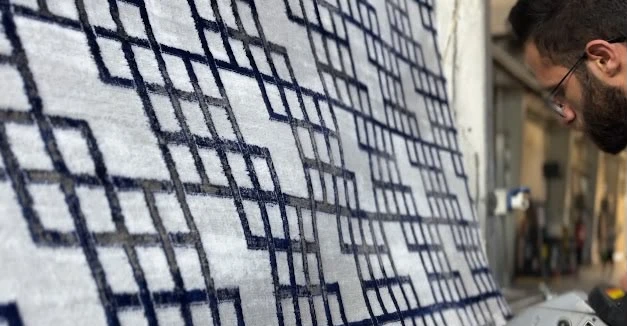
Abu al-Sajjad, a carpet factory owner, said high electricity and fuel prices, rising raw material costs and customs duties were placing additional pressure on local manufacturers.
Duties on imported fabrics and yarns increase production costs before goods reach the market, making Syrian products less competitive against imports, particularly from Turkiye, he explained.
Frequent power outages also disrupt production and damage machinery, forcing factory owners to spend more on spare parts and repairs.
Manufacturers urged the Syrian government to reduce electricity and fuel costs for industrial facilities, provide long-term low-interest loans to rehabilitate production lines and protect local industries from unfair competition.
They also called for export incentives and fewer customs and transit barriers, particularly for goods entering Iraq.