Water deal's heavy cost: Iraq settles for expensive Turkiye terms


Shafaq News – Baghdad
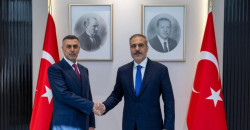
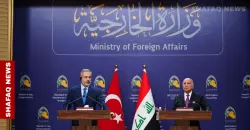
The recently signed water agreement between Iraq and Turkiye, which aims to resolve the country’s severe water crisis, came at a heavy cost, an Iraqi economist said on Monday.
In a post on X, economist Ziad al-Hashemi said that successive administrations had overlooked opportunities to reach “mutually beneficial” deals with Turkiye on water resources, leaving the current government to accept what he described as “a much more expensive arrangement.”
He explained that between 2009 and 2010, Iraqi officials reached a preliminary understanding with Turkish President Recep Tayyip Erdogan, aimed at securing Iraq’s water quota in exchange for joint economic cooperation.
The draft agreement, al-Hashemi detailed, would have committed Turkiye to increase and sustain water flows into Iraq while allowing Turkish agricultural companies to operate in central and southern regions to help rehabilitate farmland and modernize irrigation and crop production systems.
🔴 (عقدة المياه) التي أهملت الحكومات العراقية السابقة حلها مع تركيا باتفاقيات رابحة، عادت اليوم الحكومة العراقية للقبول باتفاقية عالية الكلفة على العراق!🔴 بين عامي 2009 و 2010 تمكنت بعض الأطراف الرسمية العراقية في التوصل لإتفاق مبدئي مع الرئيس التركي لحل مشكلة حصص العراق…
— زياد الهاشمي (@ziadalhashimi) November 3, 2025
He pointed that Iraq’s potential gains from the proposed deal would have gone beyond higher water inflows, including increased agricultural output for both local consumption and export, job creation, training for young workers in modern farming techniques, and additional revenue for the state treasury.
“The Iraqi prime minister at the time [Nouri al-Maliki] declined the deal, viewing it as a potential political achievement for a rival faction ahead of the 2010 elections," he noted.
Describing that decision as a “lost golden opportunity,” al-Hashemi argued that Iraq is now compelled to accept a more costly and less certain deal that involves trade, oil, and debt arrangements to encourage Turkiye to release additional water.
A source informed Shafaq News on Sunday that the newly signed water agreement allows Turkiye to manage and supervise water releases, as well as oversee dam and infrastructure operations, for five years before transferring responsibility back to Iraqi authorities.
All logistical and technical work related to dam construction and infrastructure development will also be managed exclusively by Turkiye.
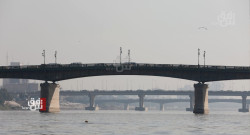
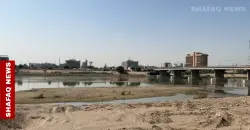
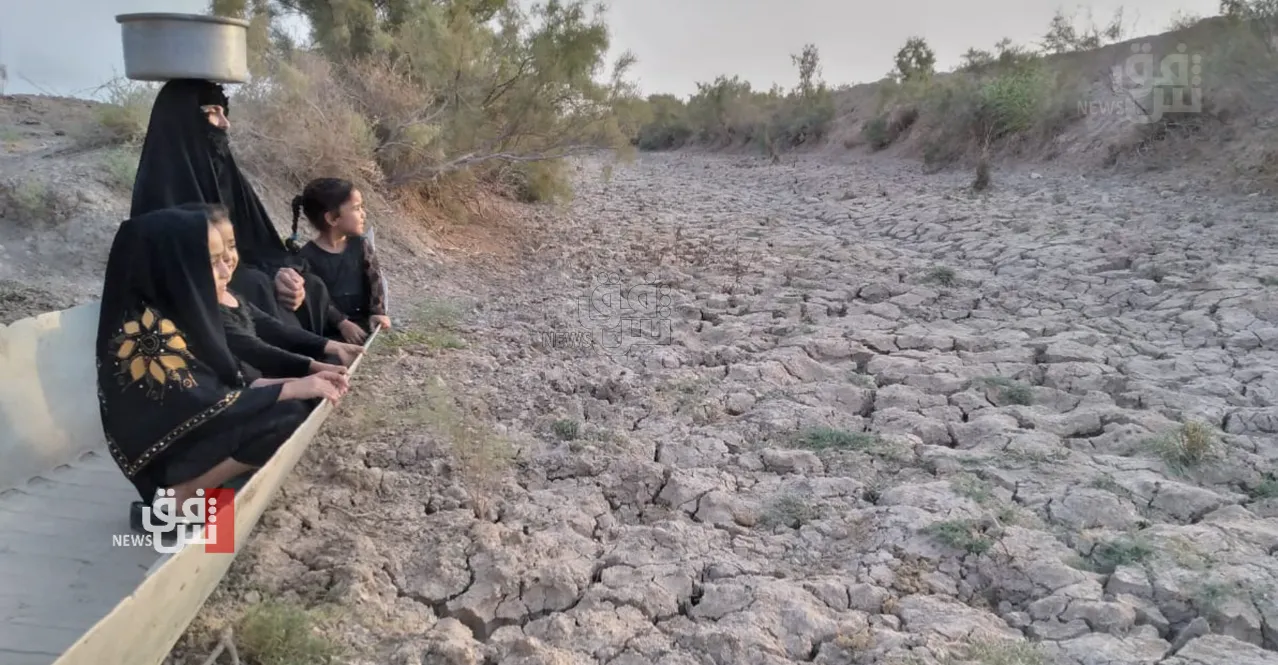
The agreement comes as Iraq continues to face a worsening water crisis. Earlier, Iraqi authorities warned that the country could lose up to 20% of its water resources by 2035 due to climate change, upstream dam projects, and aging infrastructure.
However, a 2024 report from the Iraqi Ministry of Water Resources attributed the crisis largely to reduced inflows from Turkiye. While normal releases from the Mosul Dam are expected to reach 350 cubic meters per second, current flows have dropped to 210, with only 130 cubic meters coming from across the border.
Read more: A century of promises: Iraq’s water diplomacy with Turkiye and Iran