Timeless tributes: Taxidermy in Iraq blends craft, memory, and tradition


Shafaq News – Baghdad
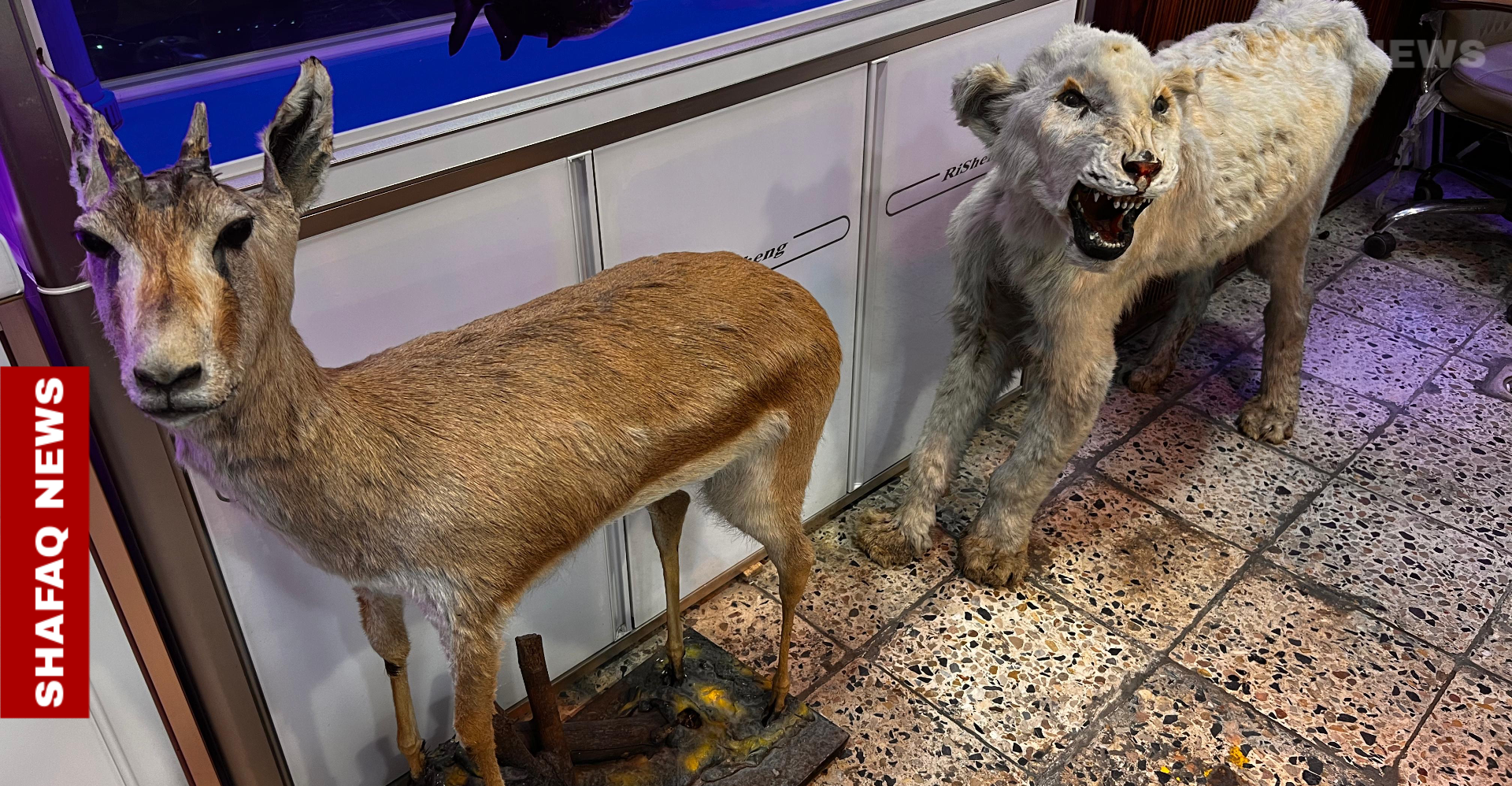
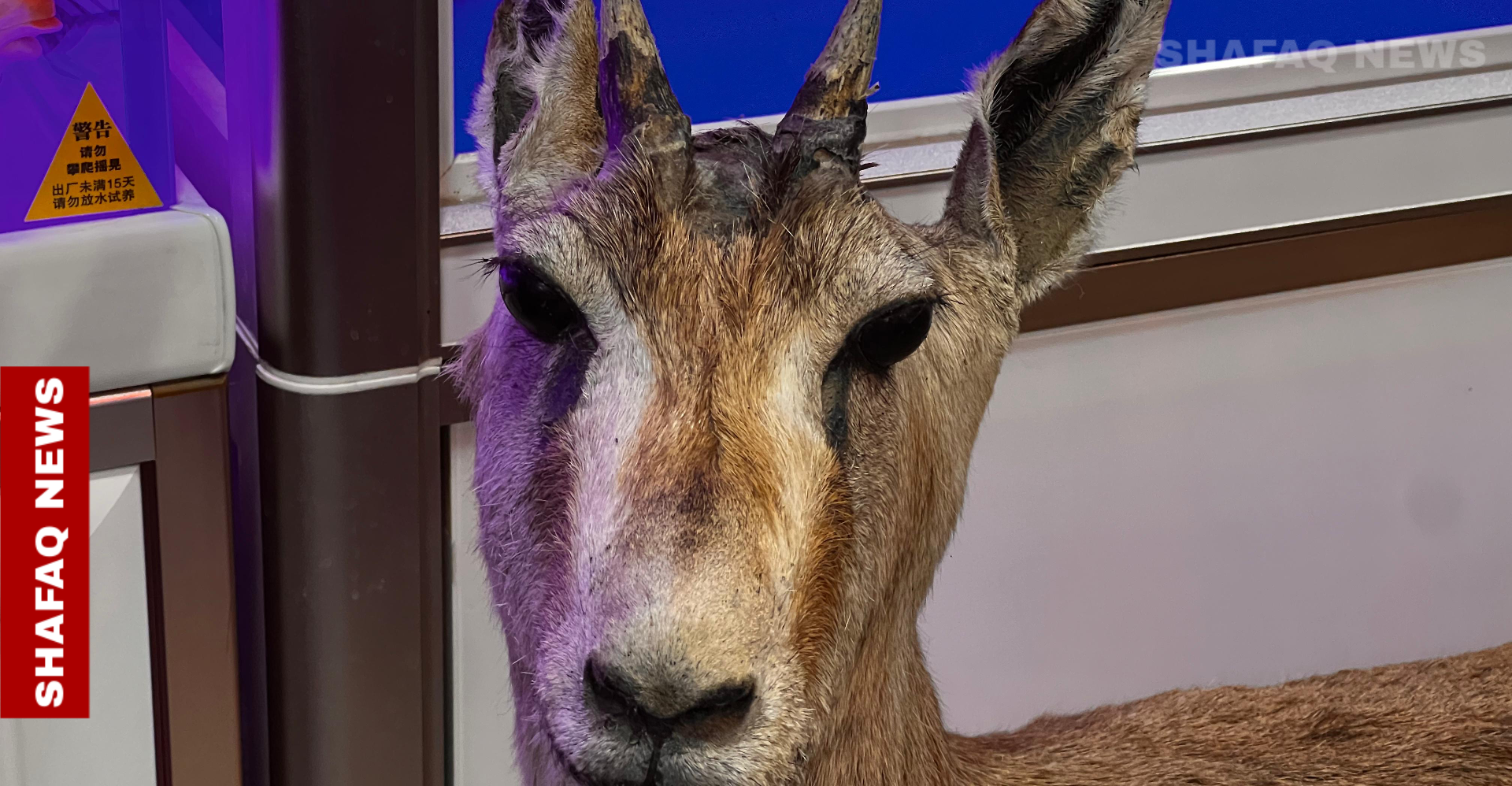
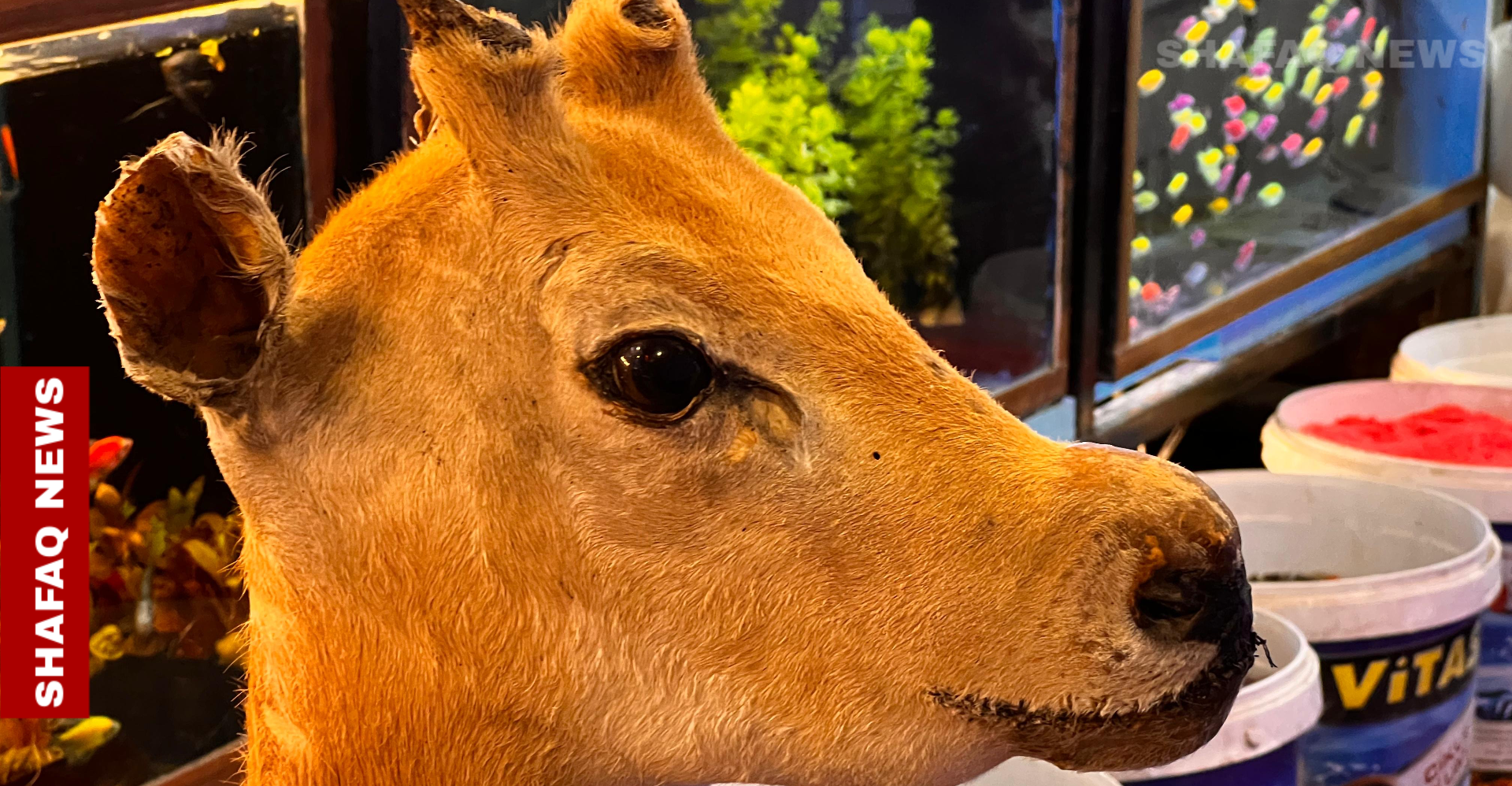
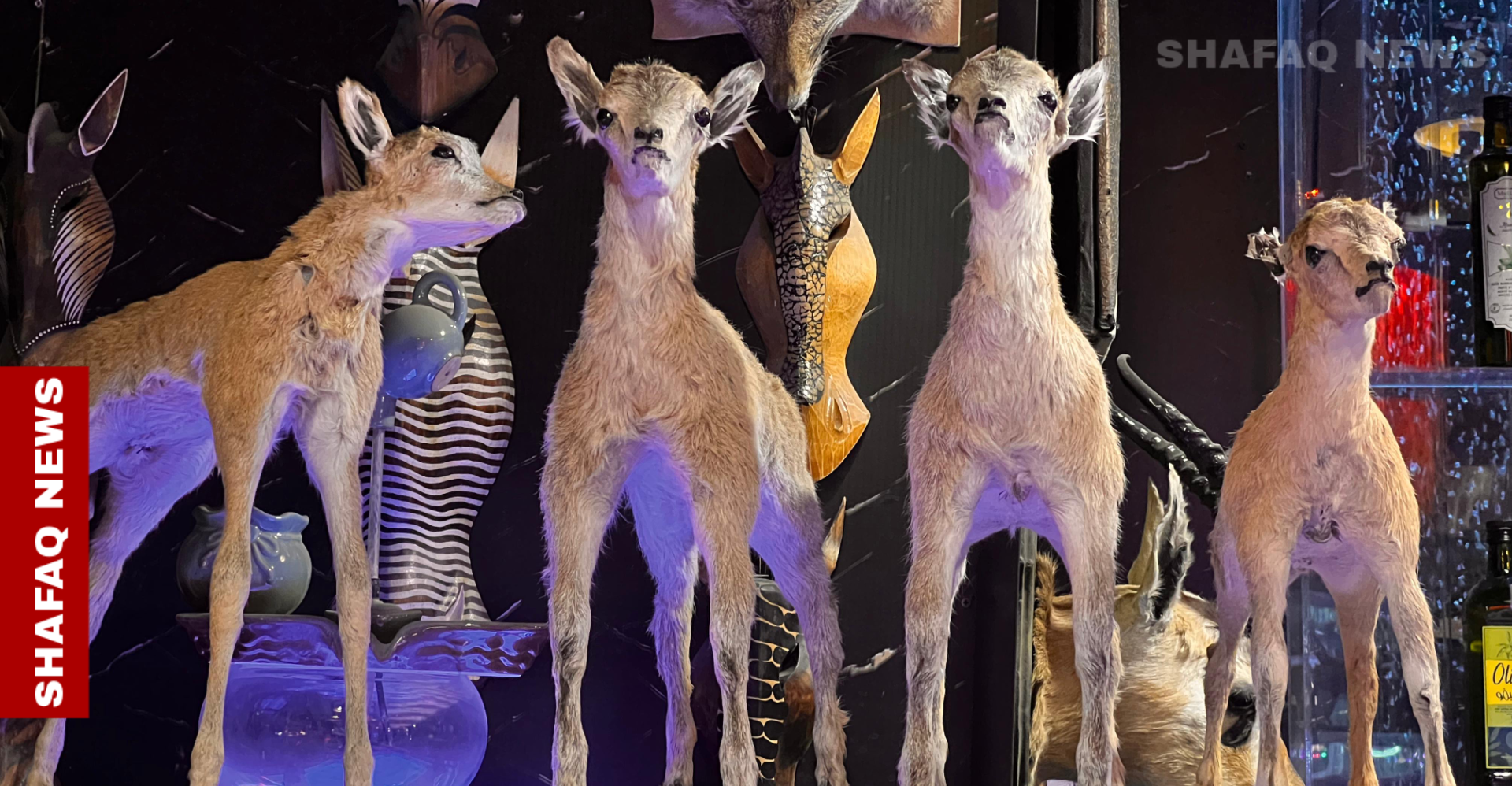
In a narrow corner of Baghdad’s al-Ghazl market, glass-eyed creatures peer silently from behind a shop window. Inside, surrounded by rows of wild and domestic animals frozen in lifelike poses, taxidermist Mohammed Khalid has spent nine years perfecting a craft that bridges life and death.
Khalid’s customers are not only collectors. Many come to
preserve beloved pets — keeping their appearance as it was in life. “Most of my
clients have a personal bond with their animals,” he tells Shafaq News. Using
formaldehyde, disinfectants, and foam injections, he restores each specimen’s
shape, inserting glass eyes and arranging them in realistic positions. Prices
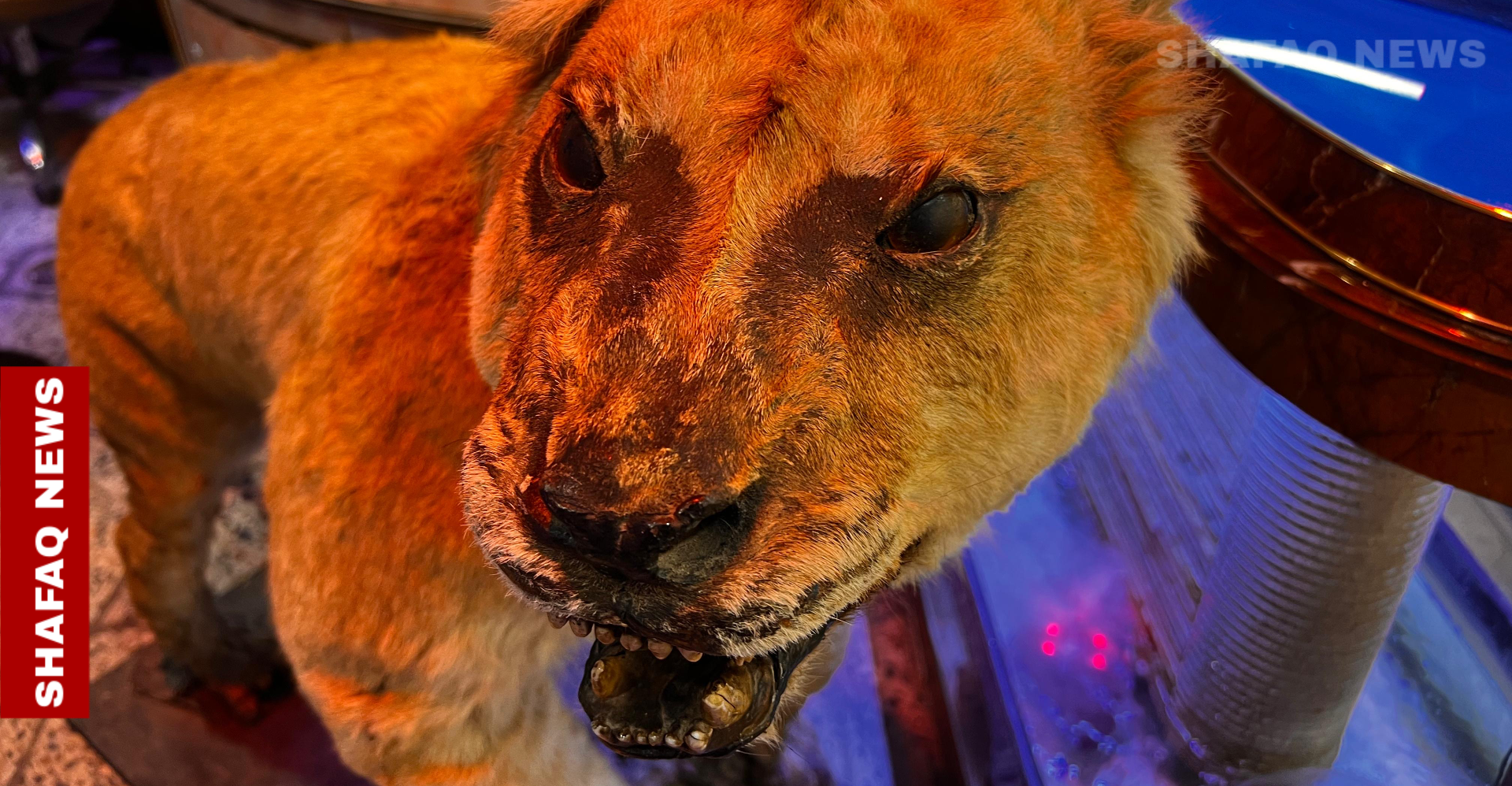
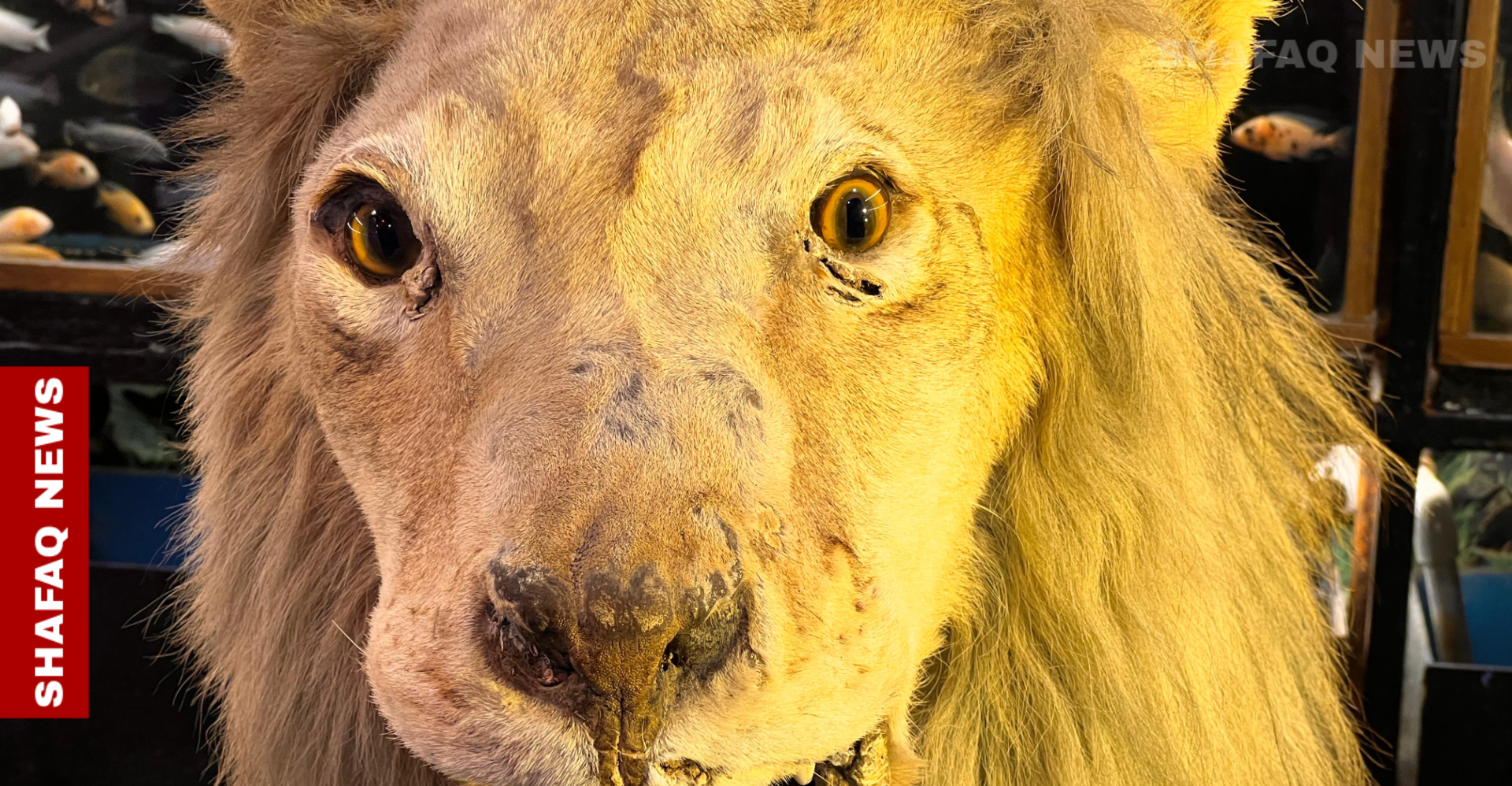
range from 15,000 dinars (about $11) for a hedgehog to up to three million
(about $2.3K) for a lion.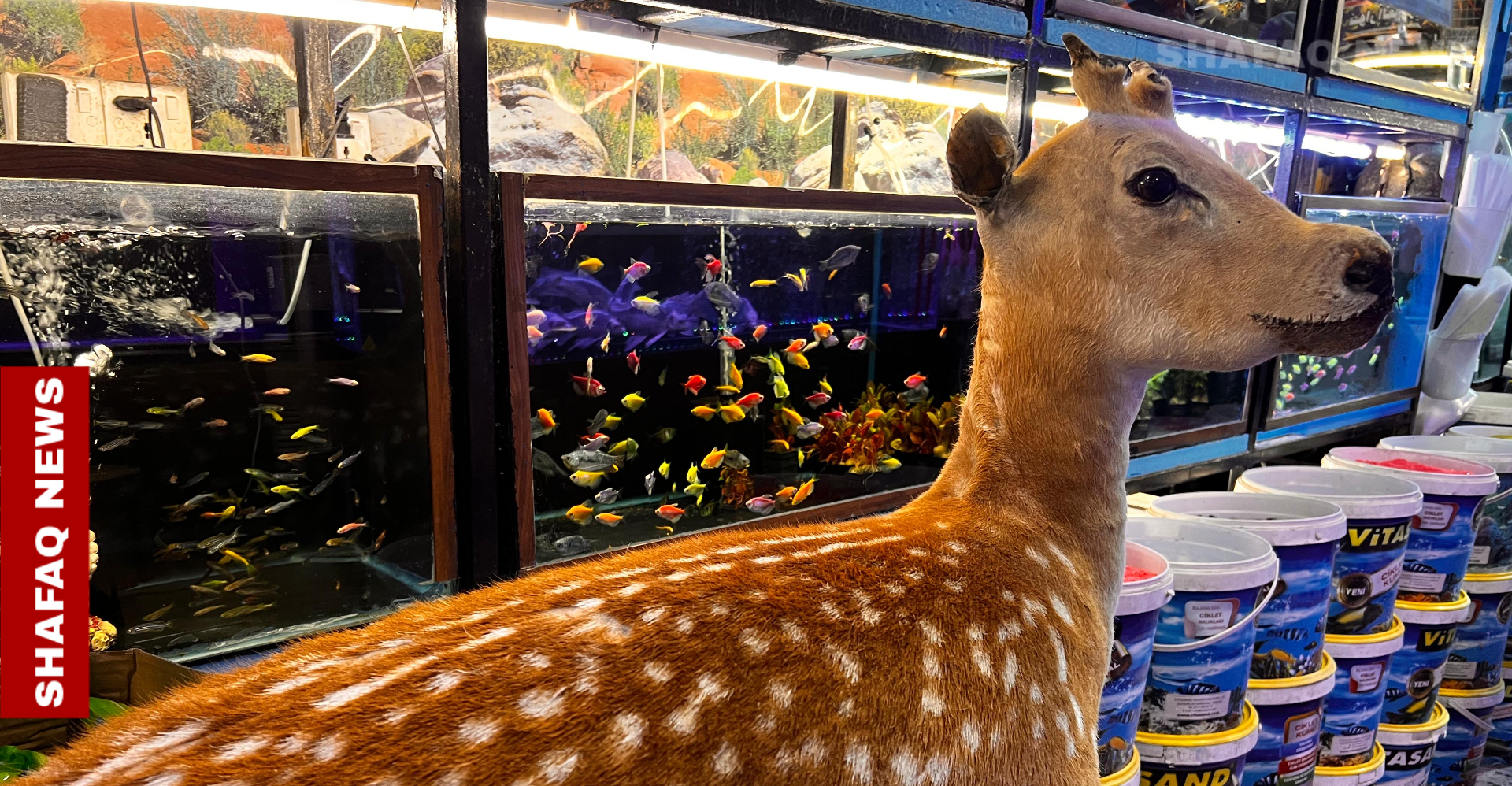
Birds, he says, are the most delicate, with the process taking up to six days. Among his rarest commissions were exotic species from Australia and Africa. Khalid insists he works only with animals that died naturally, sometimes sourcing them from bird traders in Basra after transport losses.
In Babil province, taxidermist Alaa al-Salami turned his
home into a private showroom. His interest began by preserving a small animal
with salt — a successful experiment that grew into a profession. “Birds are
harder than furred animals because of the fragility of feathers,” he notes,
“but skill and patience make it possible.”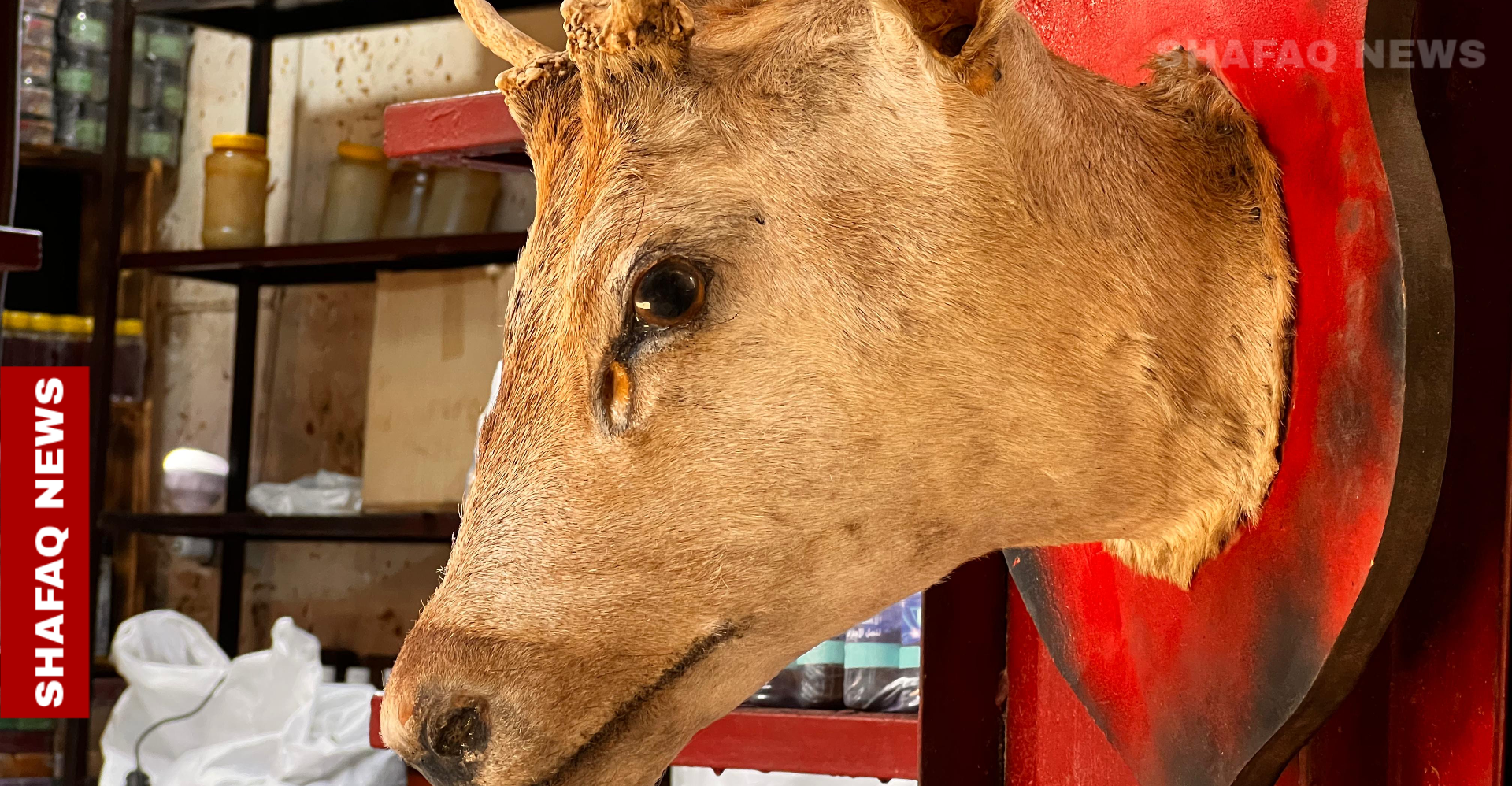
For some, taxidermy is deeply personal. Baghdad resident Shahad al-Hassan says she preserved her dog after its death to keep its memory alive.
Iraq’s tradition of preserving wildlife is reflected in
institutions such as the Natural History Museum in Baghdad, founded in 1946,
and the Basra Natural History Museum, opened in the 1970s, both housing
extensive collections of preserved animals, insects, and plants.