Syrian art scene split: cultural spaces expand, classrooms restrict


Shafaq News – Damascus
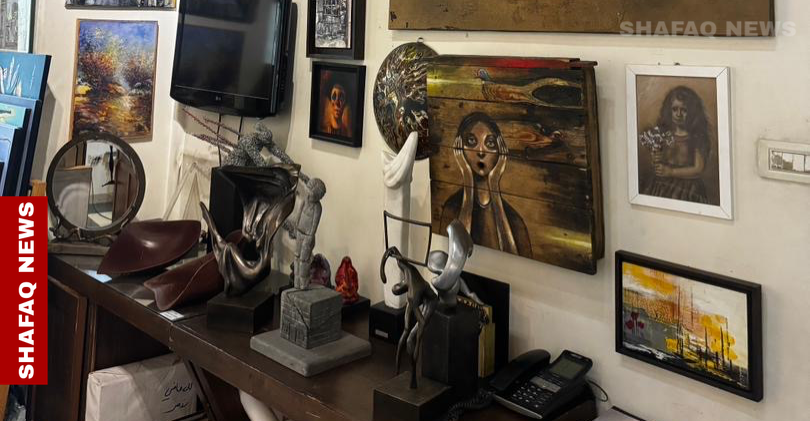
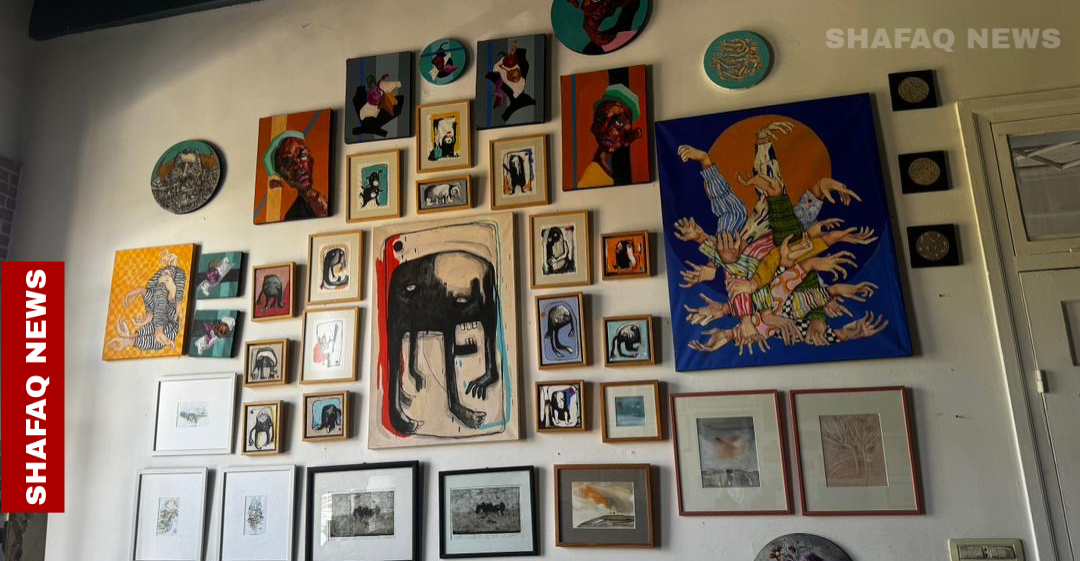
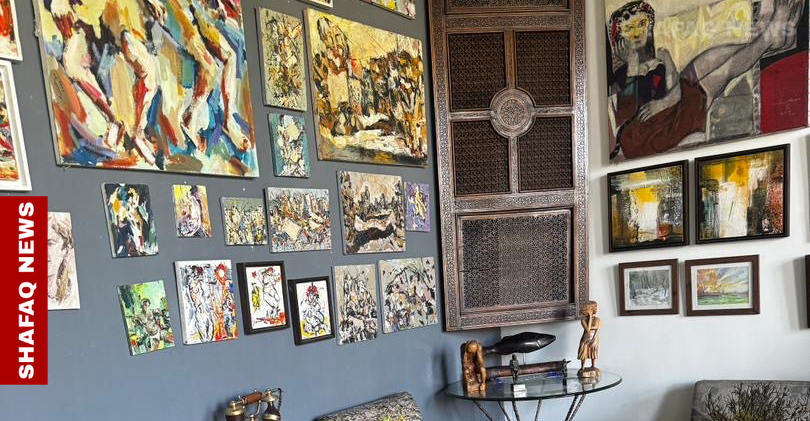
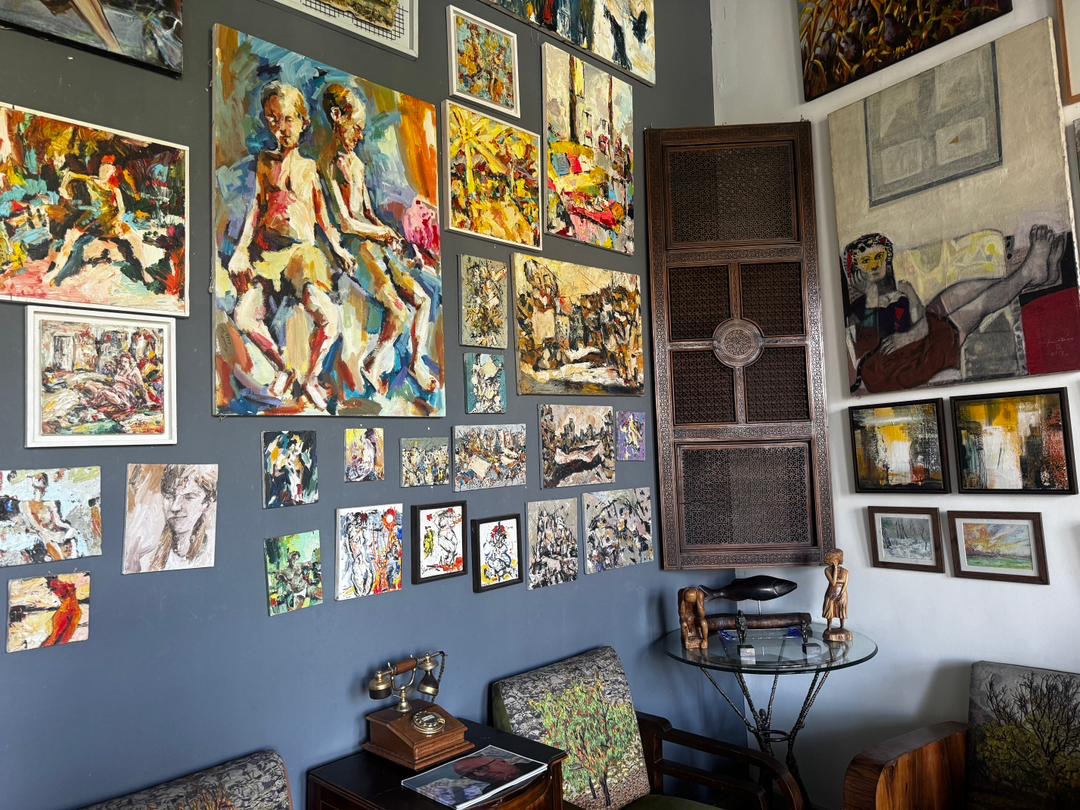
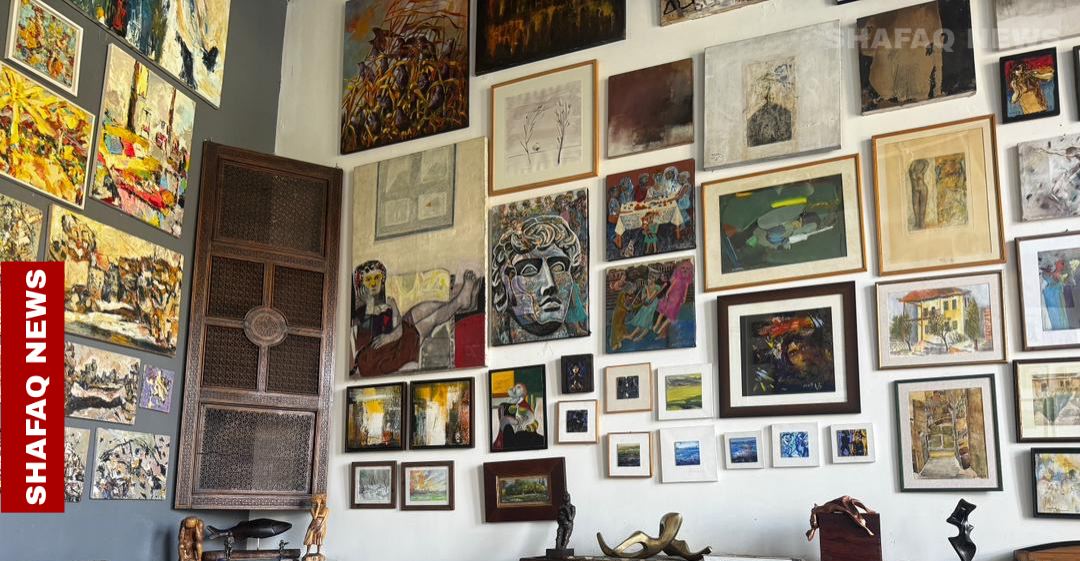
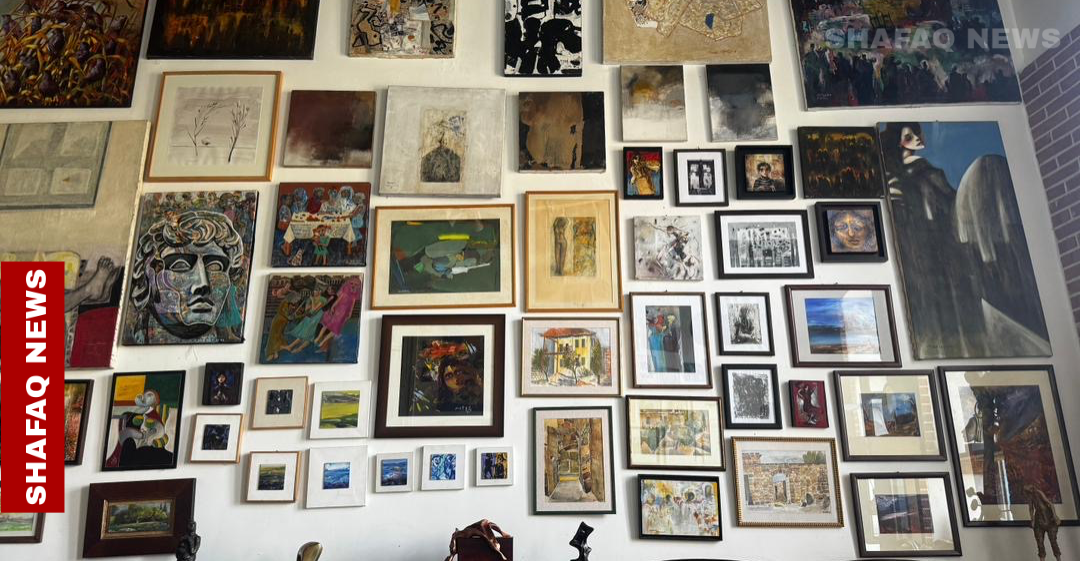
At Zawaya Gallery in Syria's Bab Touma, children gather for painting workshops while visitors browse abstract canvases and handmade crafts — a scene its director Rola Suleiman says embodies her belief that “art is not a luxury but a social need.”
Founded in 2018, the non-profit space has grown into a cultural hub run largely by young volunteers. Alongside regular exhibitions, it hosts concerts, theater, stand-up comedy, and maintains a large library to widen access beyond traditional art circles. A dedicated program for children aims to instill an early sense of creativity and appreciation for beauty.
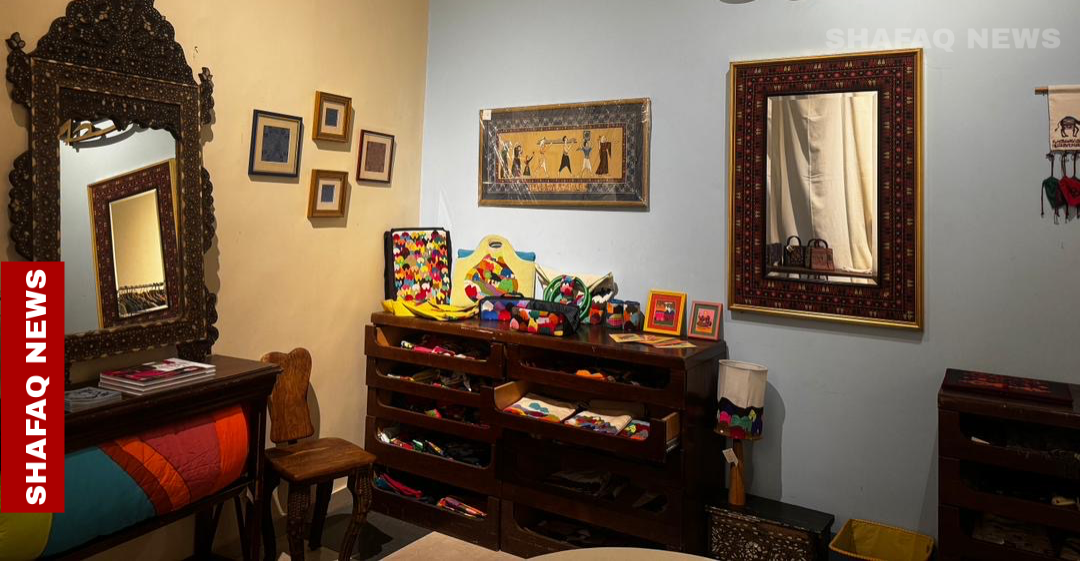
Zawaya also spotlights emerging Syrian talent and preserves heritage, including a room curated by German artist Anna Hako, who blends traditional handicrafts with contemporary techniques. Visitors say this mix makes the gallery distinctive. “It connects people like me, who aren’t from the art world, directly with artists and their ideas,” regular attendee Sahar Shaheen told Shafaq News.
But as independent galleries push for openness, the academic art establishment is moving in the opposite direction. The Faculty of Fine Arts in Damascus recently banned nude models in sculpture, painting, and engraving classes — a practice long considered central to teaching proportion and anatomy.
Abstract artist and professor Muhannad al-Sarieh told Shafaq News he would not alter his methods. “If necessary, I will leave,” he said. Other instructors defend the tradition as academically essential, while some argue the ban reflects Syria’s cultural sensitivities and will not weaken artistic expression.