Severe drought lay bare hidden history of Mosul Dam


Shafaq News – Duhok
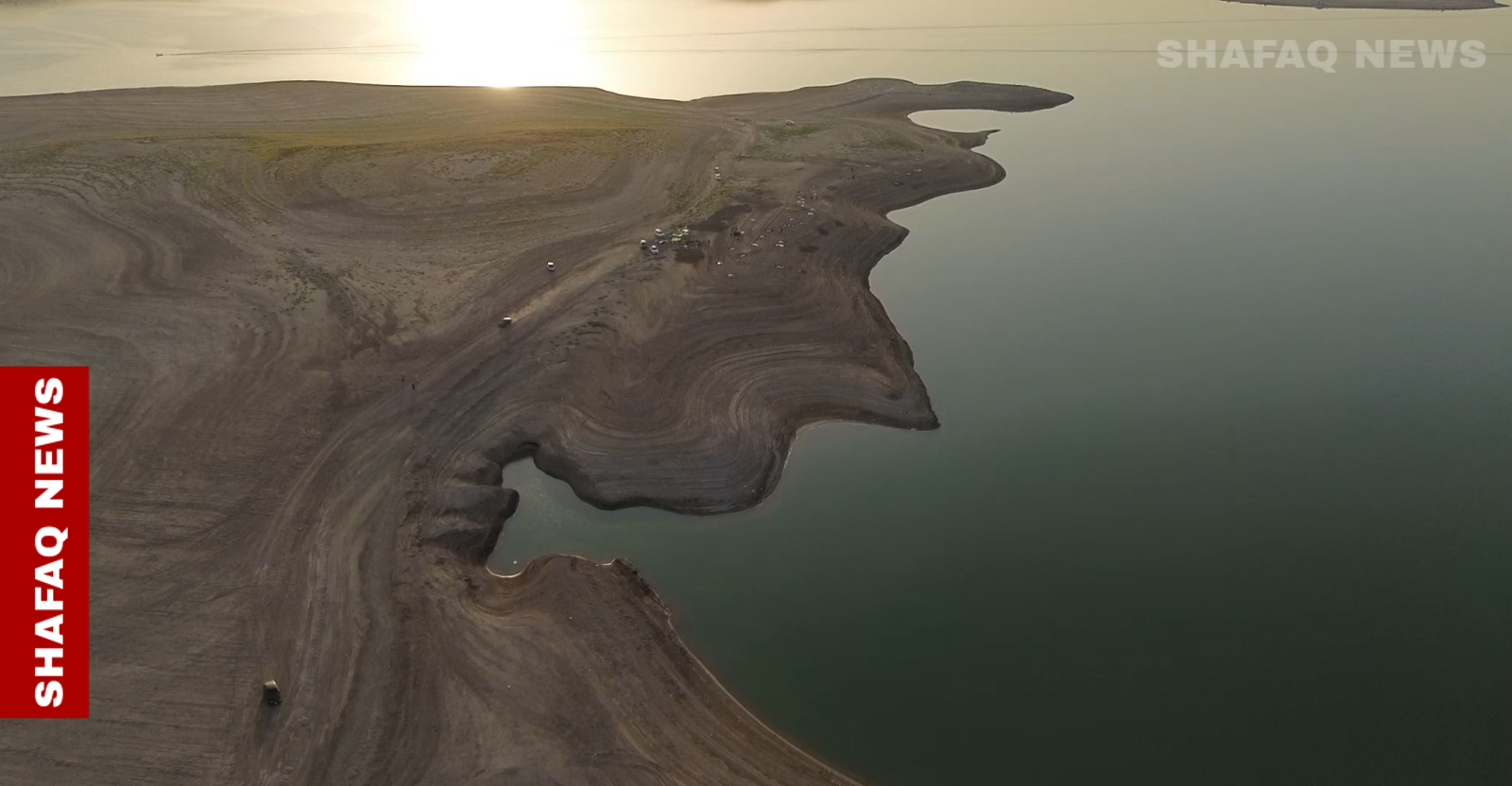
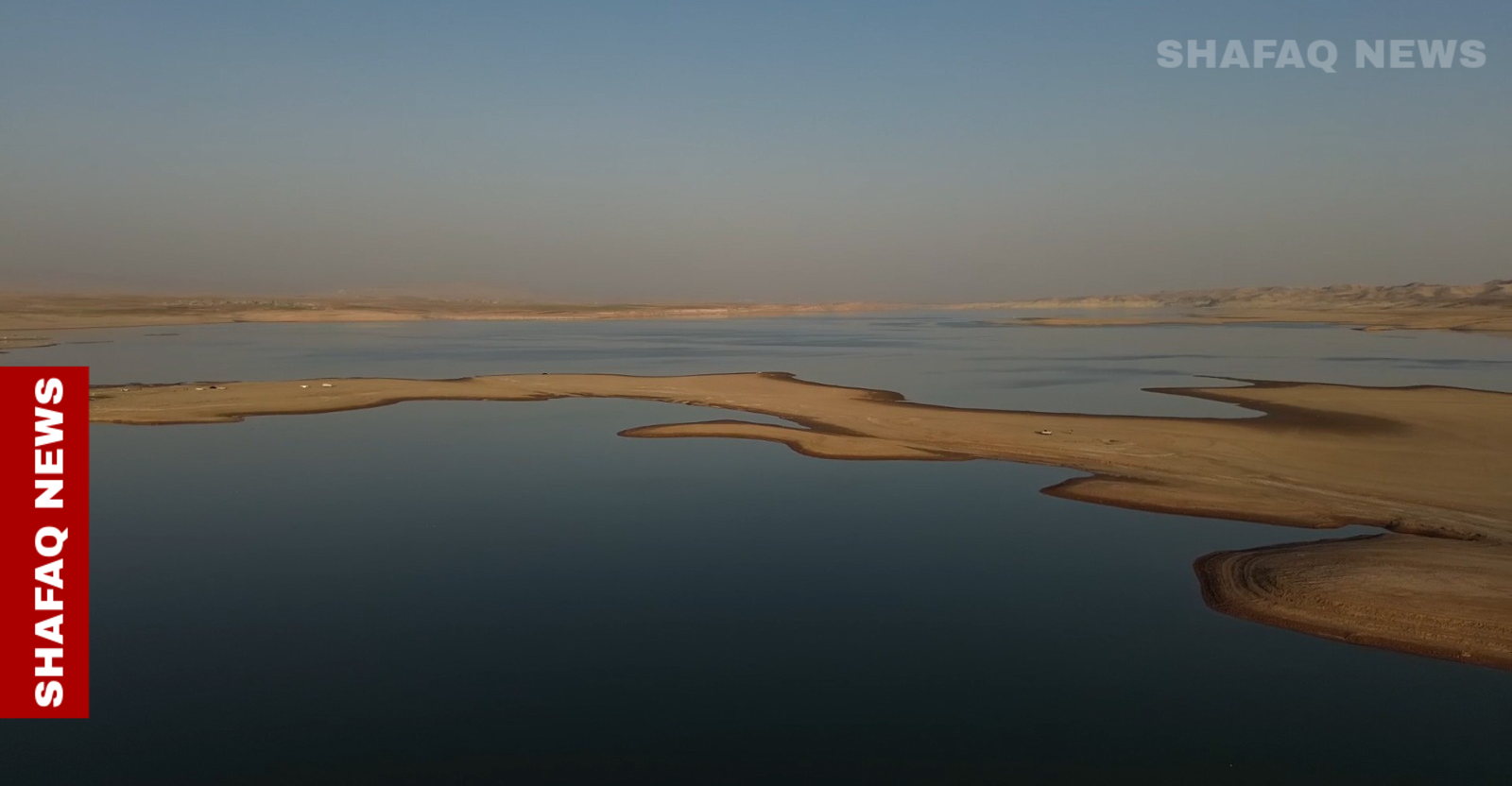
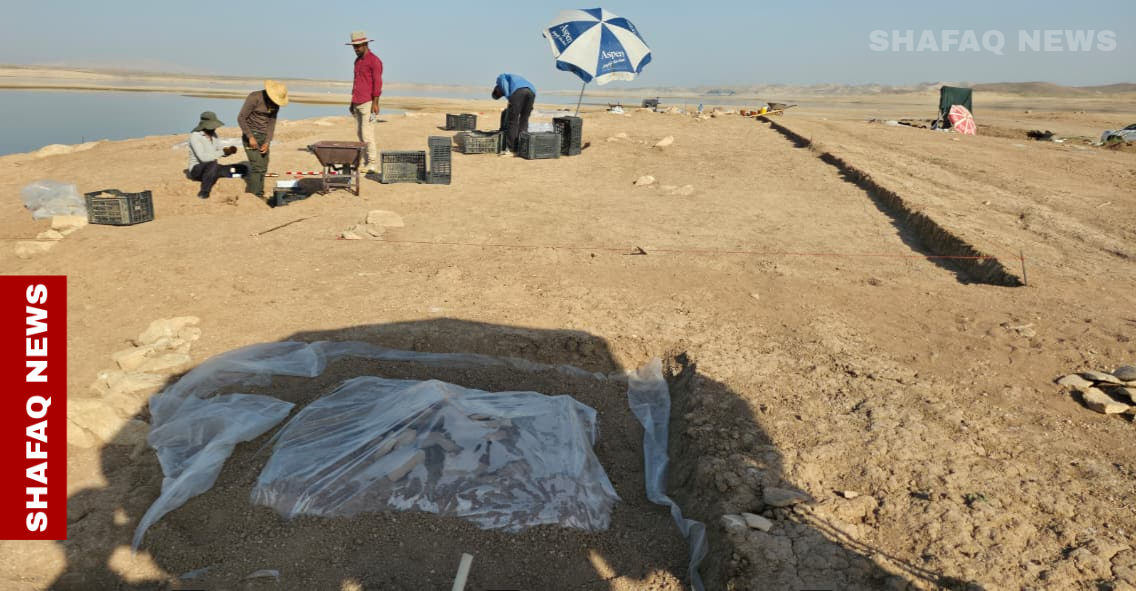
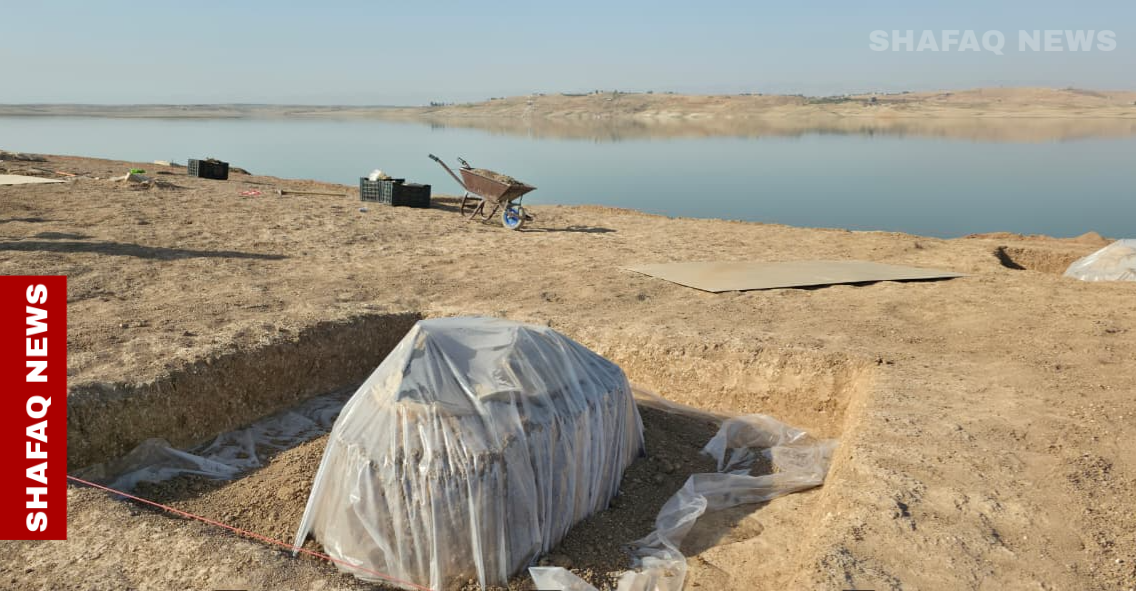
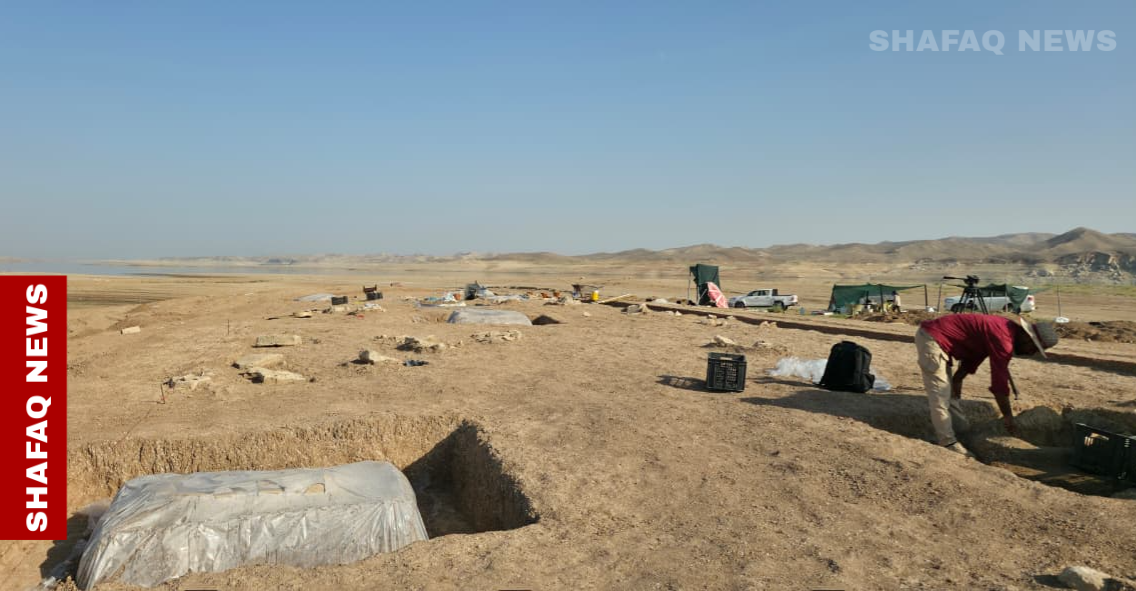
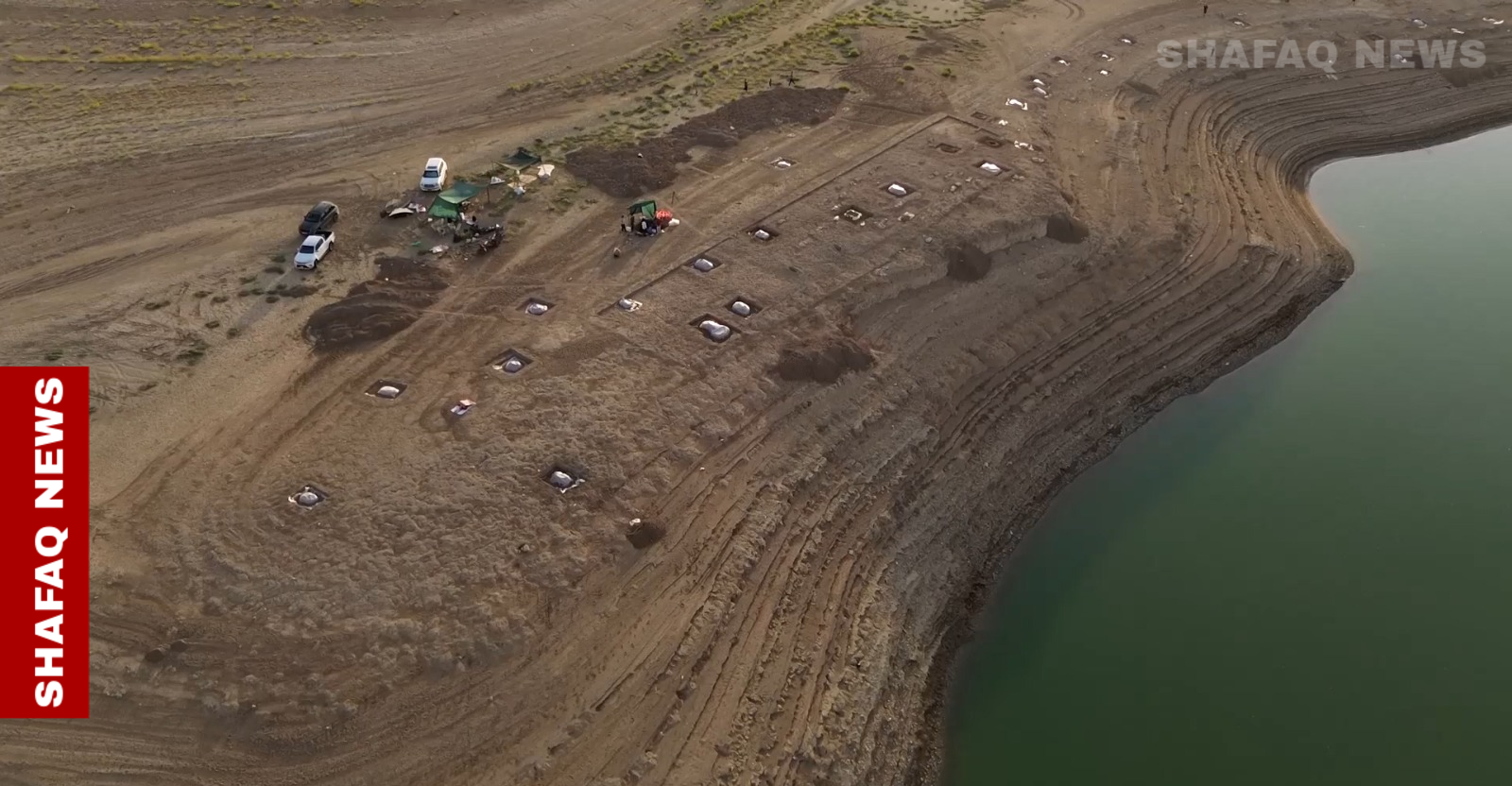
On the banks of Mosul Dam Lake in northern Iraq’s Nineveh Province, where waters have long submerged ancient villages and hidden their secrets beneath the surface, the land has begun to reveal its past.
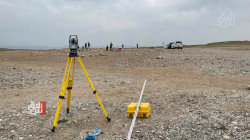
Among cracked soil and pottery fragments, archaeologists
from Duhok province examined a site that once bore witness to civilizations
lost to time.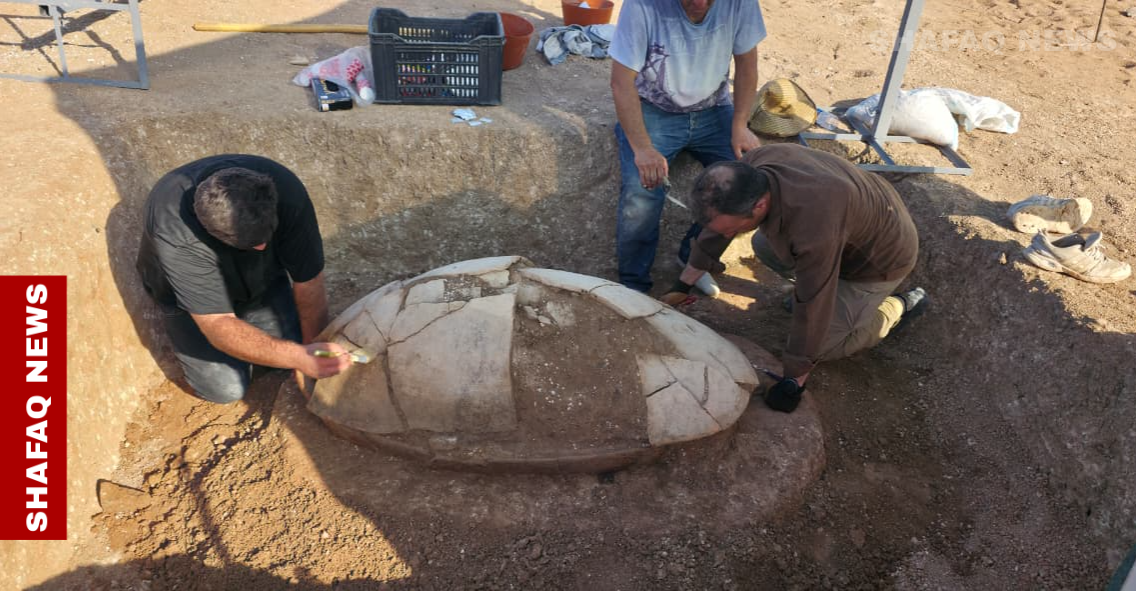
City Under Water
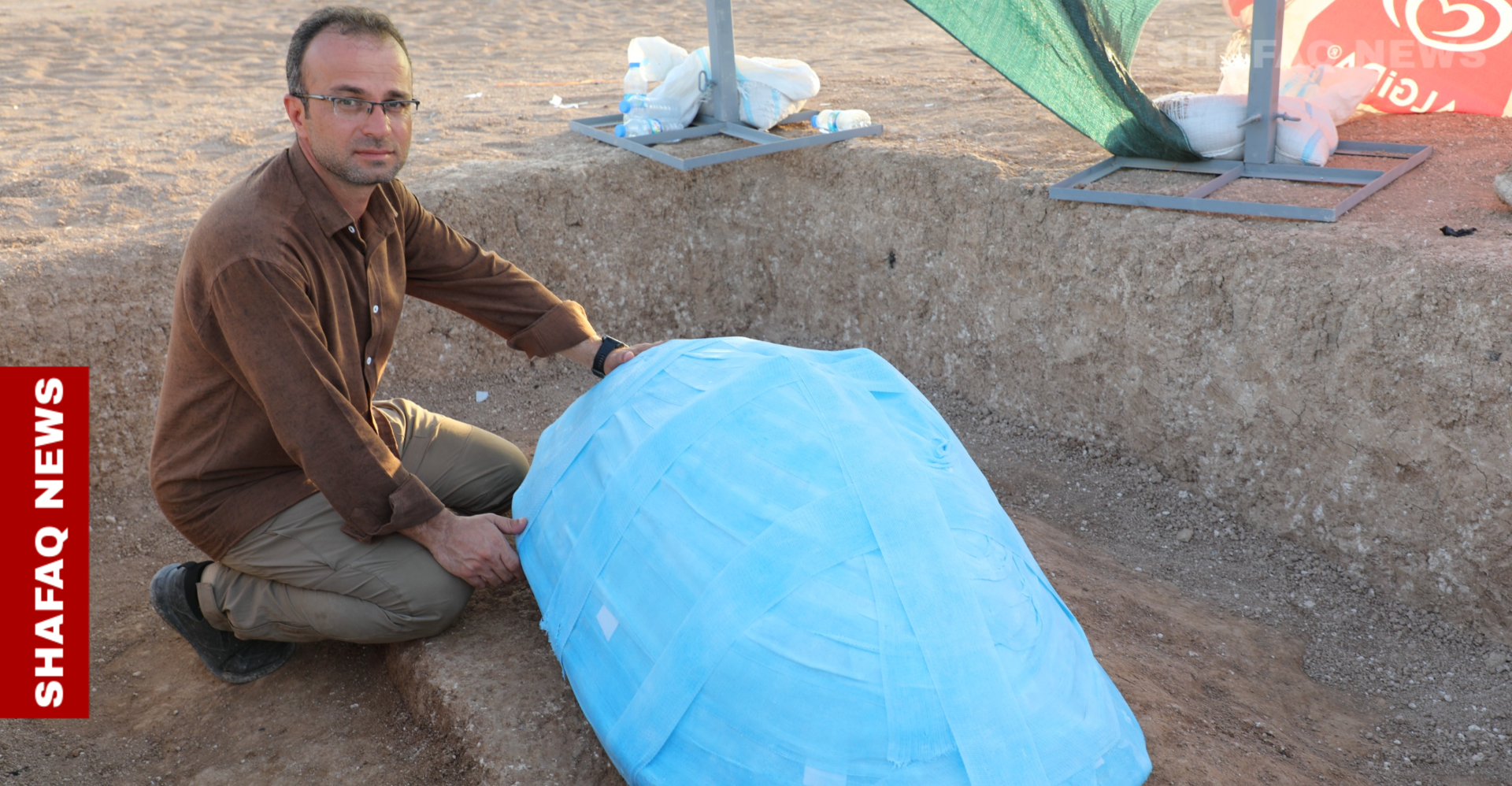
Bex Breefkani, Director of Duhok’s Antiquities Department, told Shafaq News that the site includes an ancient city and a large cemetery. “The significance of this discovery lies in its historical value, as it sheds light on a prominent era in the region’s history,” he explained.
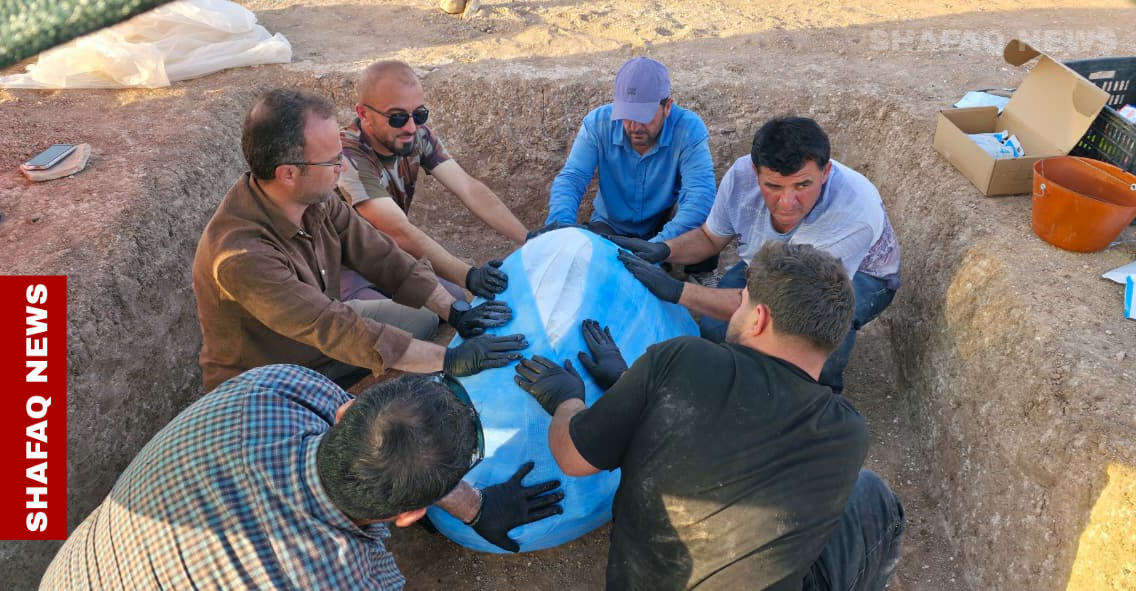
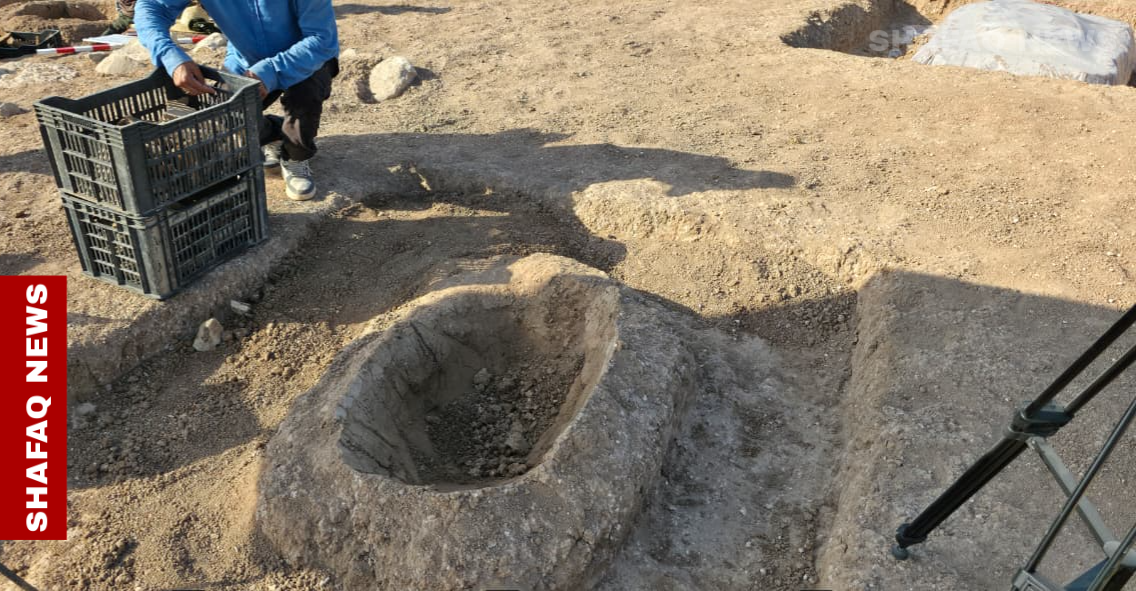
Excavation teams have so far uncovered 40 graves aligned in
similar directions, shaped in oval form from baked pottery, and dating back
about 2,300 years to the Hellenistic period, Breefkani noted. He added that the
cemetery was divided into a lower section for children and an upper one for
adults.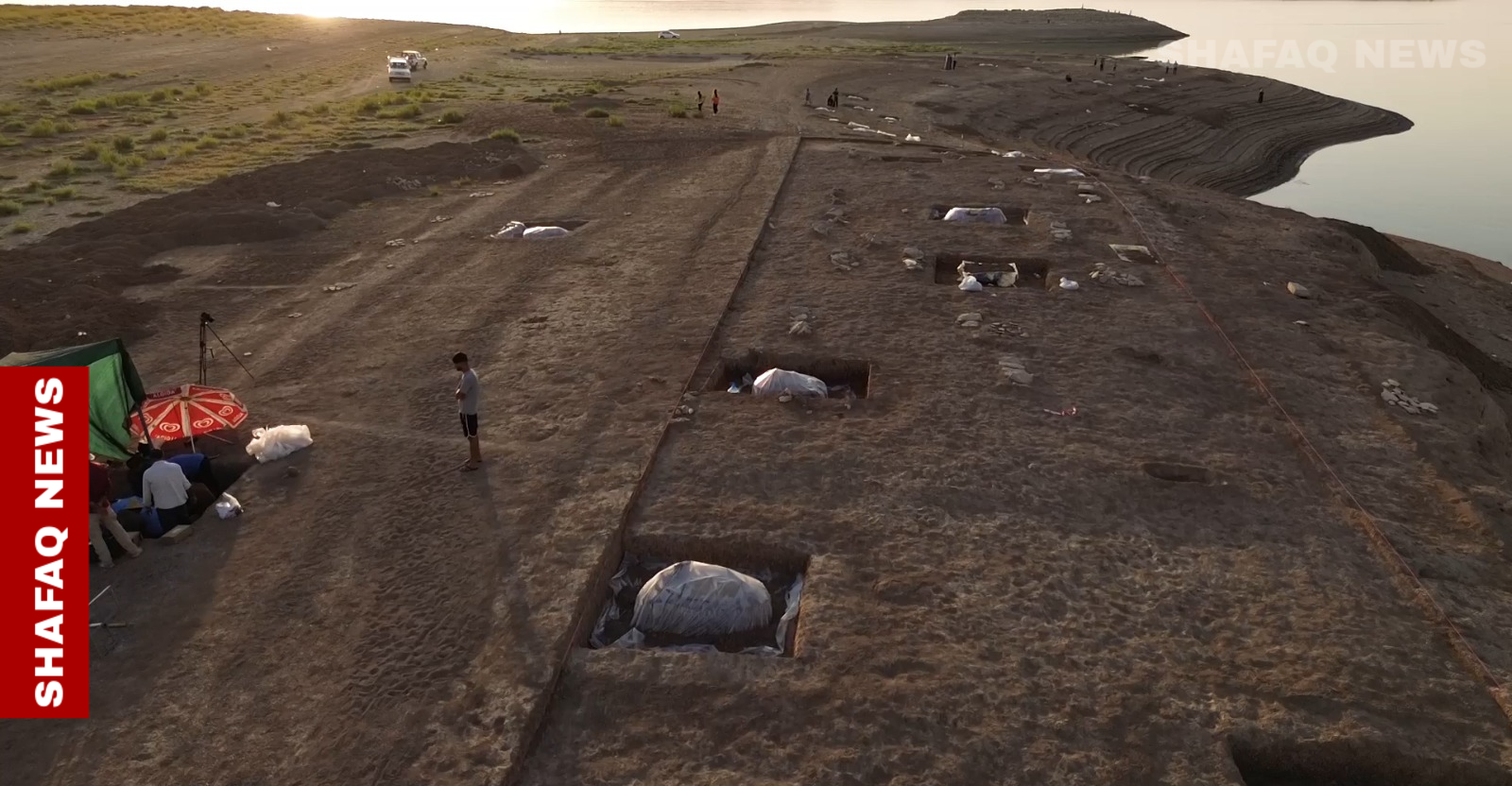
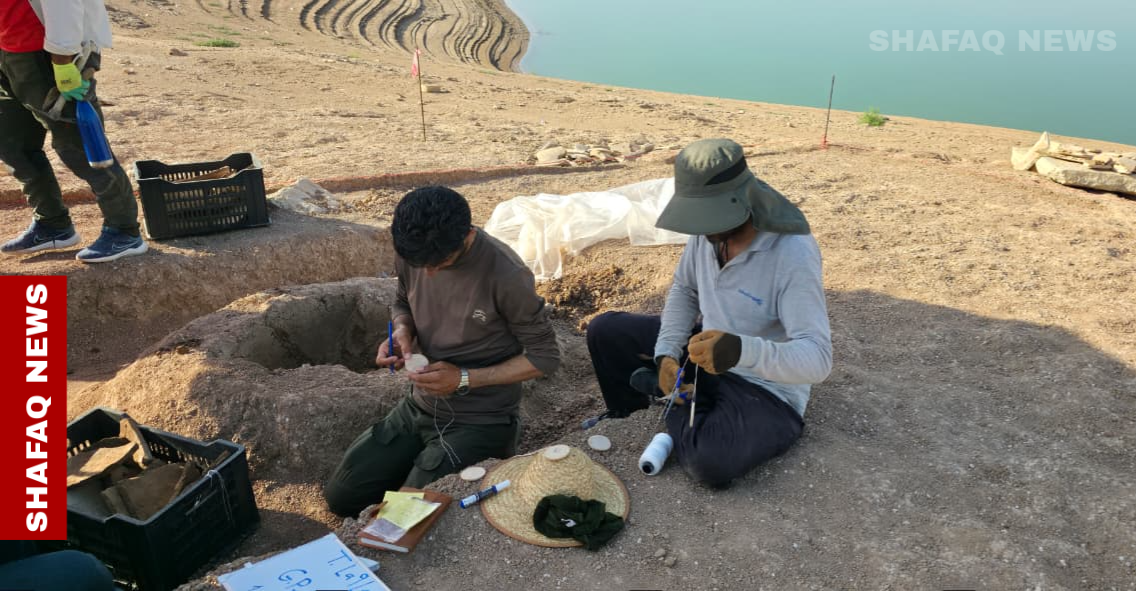
Archaeologists also found remnants of an ancient city, with
pottery fragments and various artifacts. Initial studies suggest this date back
to the Fifth Nineveh period, more than 5,000 years ago, Breefkani stated,
pointing out that excavation work is ongoing, with all finds to be transferred
later to the Duhok Museum for preservation and detailed study.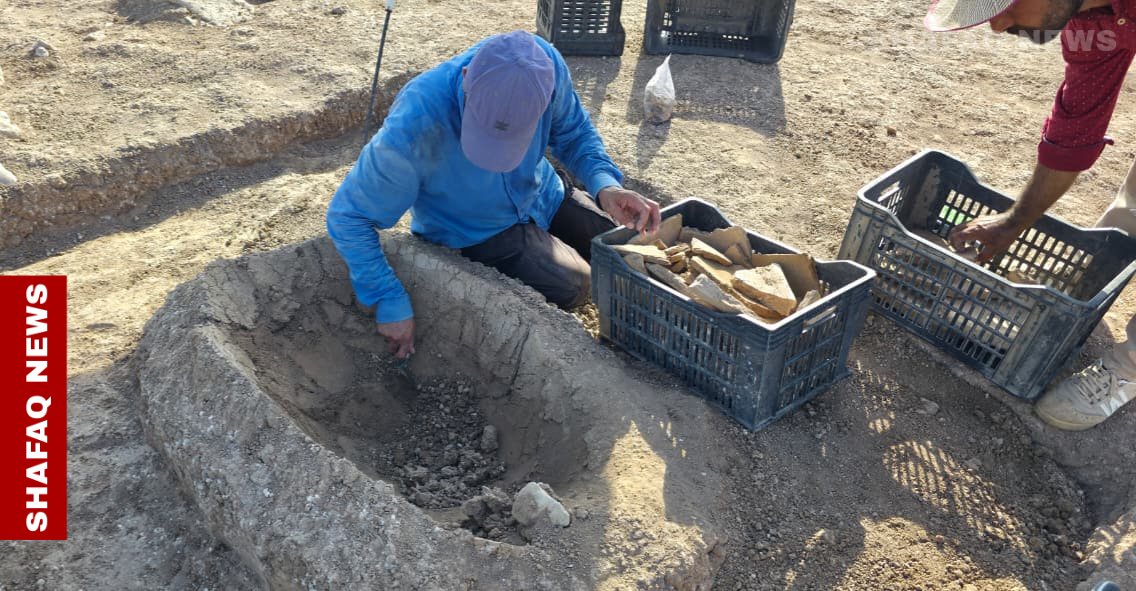
Drought Grips Iraq
Iraq has faced an escalating drought crisis for years, considered one of the most severe environmental challenges in its modern history. The issue has worsened due to climate change, reduced rainfall, and a sharp decline in water inflows from upstream countries, particularly Turkiye and Iran.
Earlier, the Green Iraq Observatory reported that Turkiye
delivered only 120 cubic meters of water per second to Iraq during July and
August, far below the 400 cubic meters it had pledged.