Parliament moves on Tigris, Euphrates pollution


Shafaq News- Baghdad
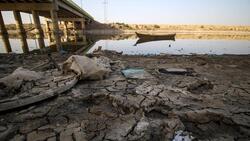
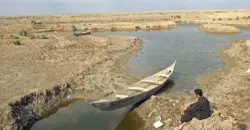
Iraq’s parliament approved recommendations on Thursday from a committee tasked with investigating pollution in the Tigris and Euphrates rivers, identifying those responsible and reviewing measures to limit its impact.
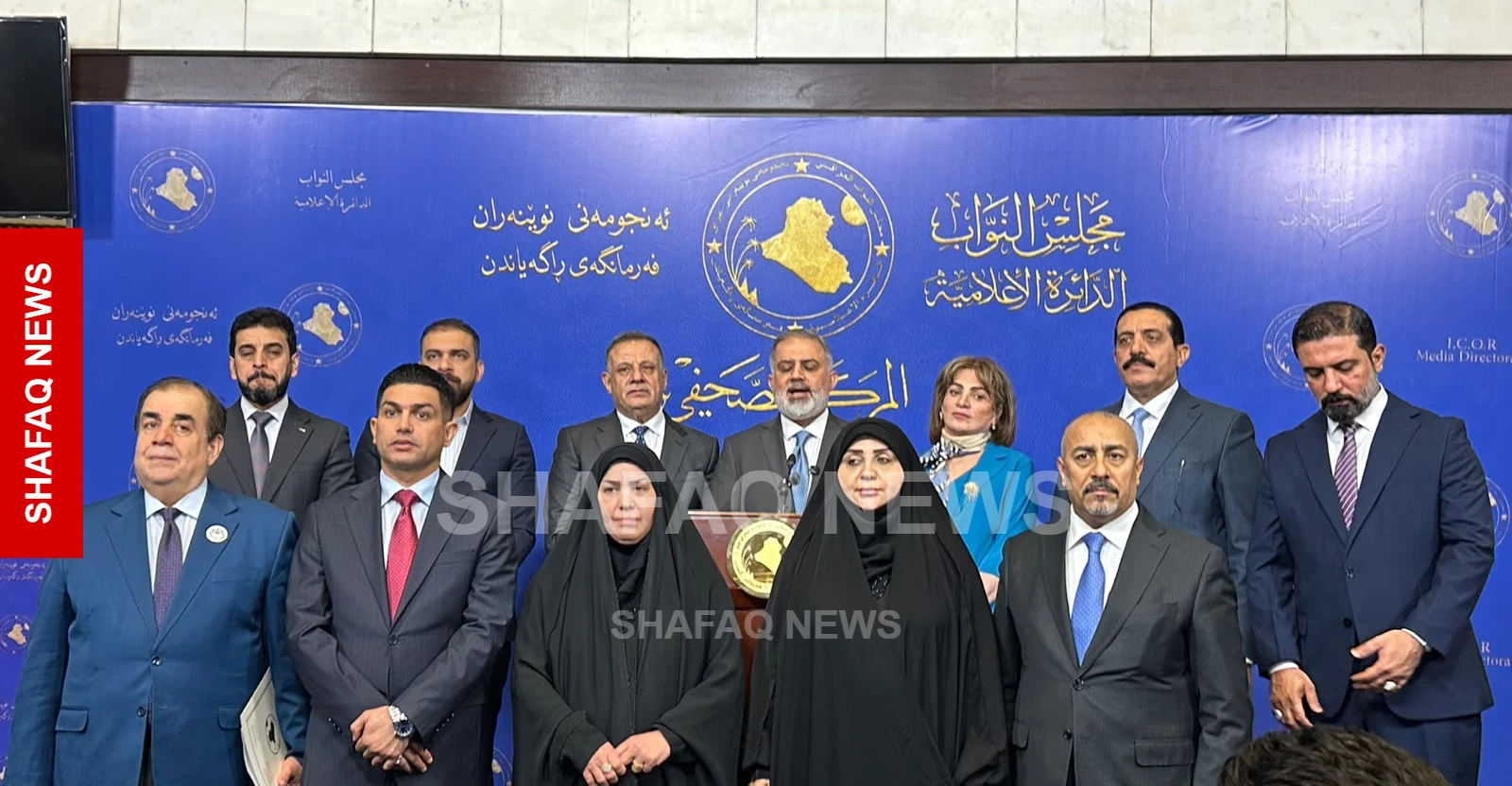
Following the vote, lawmaker Youssef Al-Kalabi said at a press conference in parliament that ministers would raise the worsening pollution of the two rivers at the next cabinet meeting.
Al-Kalabi said pollutants and waste dumped into waterways amount to about 10 million cubic meters across Iraq, including six million cubic meters entering the Diyala River and reaching Baghdad, calling for a water emergency to be declared for the Tigris and Euphrates.
The Water Resources Minister, Muthanna Al-Tamimi, said southern provinces were among the areas hardest hit by river pollution and that the government had a responsibility to compensate people affected by the environmental damage.
The Minister of Environment, Sarwa Abdulwahid Qadir, called for the maximum legal penalties against those responsible for polluting the Tigris and Euphrates as well as the air. “The public sector is responsible for air pollution, but the problem is that it does not respond to the Environment Ministry.”
She warned that Iraq was heading toward an environmental disaster unless pollution was addressed. “The Ministry had sent official notices to the Industry and Minerals Ministry and other relevant bodies over sulfur emissions, waste burning and brick factories,” Qadir said, warning that the ministry could turn to the courts if authorities failed to respond.
Death in the current: Pollution decimates Iraq’s river ecosystems
Earlier this month, Iraq ranked 166th globally and second-lowest among Arab countries in the 2026 Environmental Performance Index, with a score of 26.6 points.
The Iraq Green Observatory has identified about 500 permanent pollution sources affecting the Tigris River, including untreated sewage, industrial waste and medical waste. Along the Euphrates in Al-Anbar, environmental authorities have inspected factories, vehicle service stations and sewage outlets, taking legal action against violators while pursuing wastewater treatment projects. A 2026 World Bank report estimated that more than 70% of sewage in Iraqi urban areas is discharged untreated into rivers and waterways.
Read more: The cost of filth: Iraq among the world’s most polluted nations