Middle East tensions paralyze Iraq’s Najaf and Karbala tourism


Shafaq News- Najaf/ Karbala
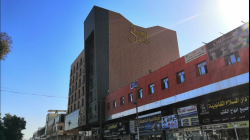
Religious tourism in Iraq’s holy cities of Najaf and Karbala has fallen sharply in recent weeks as regional security tensions deter visitors, forcing hotels and businesses to shut and draining two of the country’s main pilgrimage hubs of activity.
The downturn, which has lasted around 40 days, has emptied much of the hospitality sector, with dozens of hotels closing and thousands of workers losing jobs. Hotel owners and tourism operators are calling for urgent government action, warning that rising electricity fees introduced by the Ministry of Electricity are adding pressure to an already struggling industry.
Speaking to Shafaq News, Saeb Abu Ghanim, head of the Najaf Hotel Association, attributed the decline directly to security conditions, noting that tourism activity slows during periods of conflict. He cited disruptions at border crossings and halted airport operations as key factors behind the drop in pilgrims and visitors.
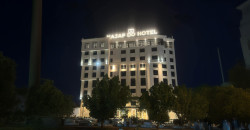
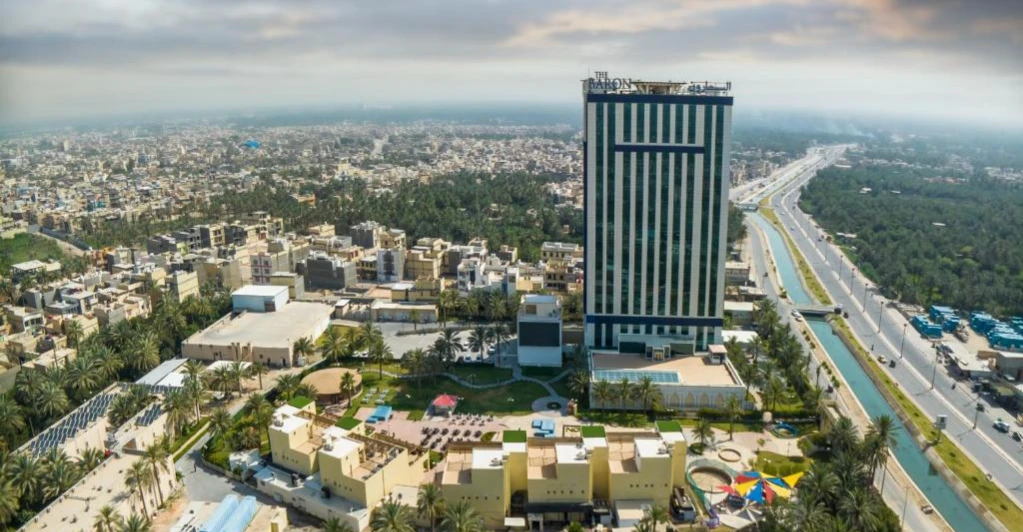
“Najaf has about 250 hotels, more than 80% of which have shut down,” he reported, estimating losses in the millions of dollars. He also pointed to ongoing costs including water, sewage, electricity, and social security payments, urging swift government intervention to prevent further strain on the sector.
Read more: Discover Iraq: Najaf, a city of dust and divinity
In Karbala, Haider Hannon of the Hotel Association informed Shafaq News that the impact has been especially severe during recent regional military escalation, which significantly reduced foreign arrivals.
“Karbala has more than 1,000 hotels across different categories, most of which have suspended operations due to the sharp fall in visitors, particularly Iranian pilgrims, who make up a large share of annual arrivals,” he added, estimating monthly losses per hotel at between $20,000 and $100,000.
Separately, Israa Al-Nasrawi, head of the Tourism and Antiquities Committee in the Karbala Provincial Council, noted that the slowdown has spread beyond hotels to tourism companies, travel agencies, restaurants, and shops dependent on pilgrimage traffic.
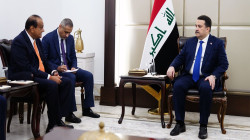
She also underlined that rising electricity costs are worsening conditions for businesses already under strain, stressing that she already raised the issue with the country’s Tourism Authority to seek relief measures, while rejecting additional tax burdens on the touristic sector.
Read more: Discover Iraq: Karbala, where memory breathes and future beckons