Mercy or misery? Iraq’s downpour restores hope


Shafaq News – Baghdad
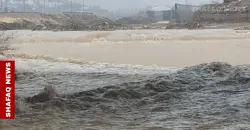
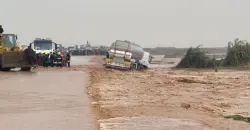
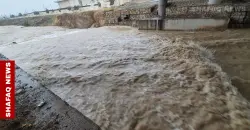
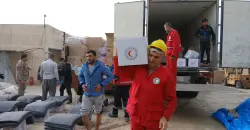
In recent weeks, powerful storm systems swept across Iraq—from Nineveh to the Kurdistan Region and into the central and southern provinces—bringing floods, road closures, casualties, and temporary shutdowns of water facilities. Yet the prevailing reaction has been relief. After prolonged dryness and steadily diminishing water bodies, the country is witnessing conditions that begin to reverse years of decline. What the storms disrupted, rising flows started to repair.
These systems fed rivers and lakes across several regions, lifting water levels in key basins. Northern dams approached higher thresholds, even as officials cautioned that national reserves remain below historical averages. In Nineveh, water-treatment operations paused when runoff exceeded system capacity, illustrating both the strain on services and the value of increased supply.
Read more: Heavy storms unleash widespread flooding in Iraq
For Ghazwan Al-Sahlani, Deputy Director-General at the Irrigation and Drainage Projects Commission in the Ministry of Agriculture, the recent rainfall marks a significant development. “The rains are good for Iraq and beneficial,” he said, noting their timely arrival. He explained that excess water was directed into ministry reservoirs that had room to store additional volumes. At major dams, inflows were distributed to support provincial needs, with the remainder routed to Lake Tharthar for future use.
In Babil, seasonal rainfall brought a familiar blend of anticipation and caution, though the sense of renewal was notably stronger this year. The connection between precipitation and agricultural vitality remains central to local life. Even when drainage systems struggle and streets fill, many residents view the storms as a net gain after years of scarcity, attributing resulting difficulties to service gaps rather than the weather itself. To them, the downpour underscores the land’s capacity when rainfall is sufficient.
Across the country, the storms carried broader meaning. In the Kurdistan Region, damage and casualties were reported, while rising dam levels signaled improved supply prospects. Southern wetlands, which had faced ecological stress, showed signs of stabilization. And in Nineveh, officials expect recent inflows to support distribution once treatment facilities resume regular operations.
Instead of viewing rainfall primarily as a test of local services, many now see it as evidence that environmental recovery is attainable. Short-term challenges persist, but the broader outcomes, from strengthened reserves to improving ecosystem conditions, carry greater weight. For a country emerging from extended dryness, the shift is significant.
This season’s storms reminded Iraqis of something many feared had faded: Water is a blessing, not a threat.
Read more: From drought to saltwater: Iraq's deepening water crisis