Mass fish deaths threaten Iraq’s Karbala livelihoods


Shafaq News – Karbala
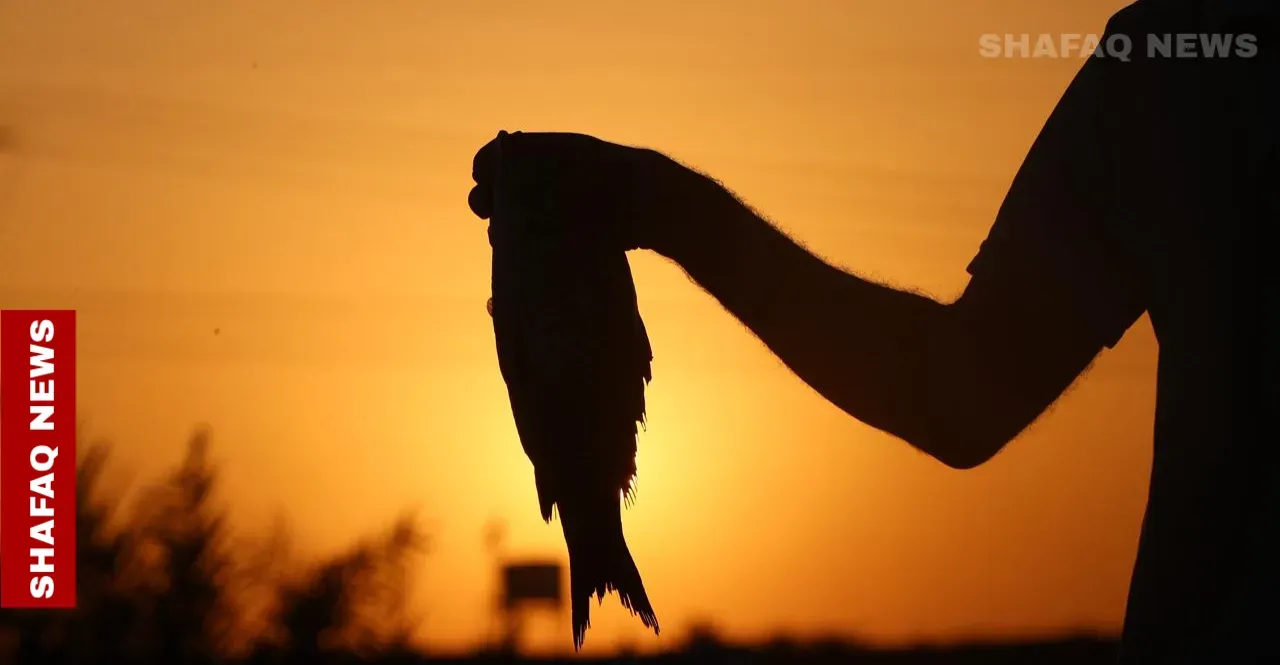
Thousands of fish are dying each day in floating cage farms across the Tuwairij district of Karbala, where breeders warn that oxygen-depleted waters and recurring viral infections have caused the largest losses in years.
Bahaa Ali al-Sulaikhi, a licensed breeder who has raised fish since 1980, told Shafaq News that the crisis has become “a recurring disaster” appearing each year in April and October, destroying tons of carp and jeopardizing the livelihoods of hundreds of families who rely entirely on fish farming. Losses in his area, he noted, reach between 5,000 and 6,000 fish per day, urging authorities to act swiftly before farmers face total financial ruin.
The deaths have been traced to Koi herpesvirus (KHV), a contagious disease that spreads rapidly in warm water and has plagued Iraq’s fish farms since 2018, prompting calls for the Ministry of Agriculture to cooperate with neighboring countries to obtain an effective vaccine or treatment.
“Leaving the problem unresolved for years despite Iraq’s financial and technical capacity defies logic and neglects an entire productive sector,” he warned. “The water, already scarce, is nearly oxygen-free, and the damage now amounts to hundreds of millions of dinars.”
Beyond aquaculture, Iraq’s livestock industry is experiencing similar distress. In Bashiqa near Mosul, local authorities confirmed the death of about 20,000 chickens this week after detecting avian influenza at two poultry farms, while health officials continue to battle Crimean-Congo hemorrhagic fever (CCHF), a viral disease transmitted by ticks and infected animal fluids that remains a serious public-health concern.
Read more: Blood, ticks, and broken systems: The resurgence of CCHF in Iraq