MP: Iraq food prices rise 30% after dinar devaluation


Shafaq News- Baghdad
Food prices in Iraq have risen by about 30%, lawmaker Doha Al-Sadkhan of the National Approach (Al-Nahj Al-Watani) bloc told Shafaq News on Tuesday, blaming the increase on the government's failure to control the dollar's parallel-market exchange rate.
On October 7, the Central Bank of Iraq (CBI), following a Cabinet decision, revised the official exchange rates, setting the cash dollar-selling rate to the public at 1,520 Iraqi dinars (IQD) per dollar, the rate for sales to banks at 1,510 IQD, and the rate for purchases from the Finance Ministry at 1,500 IQD. In Baghdad’s Al-Kifah and Al-Harithiya exchanges, the rate was 1,682 dinars.
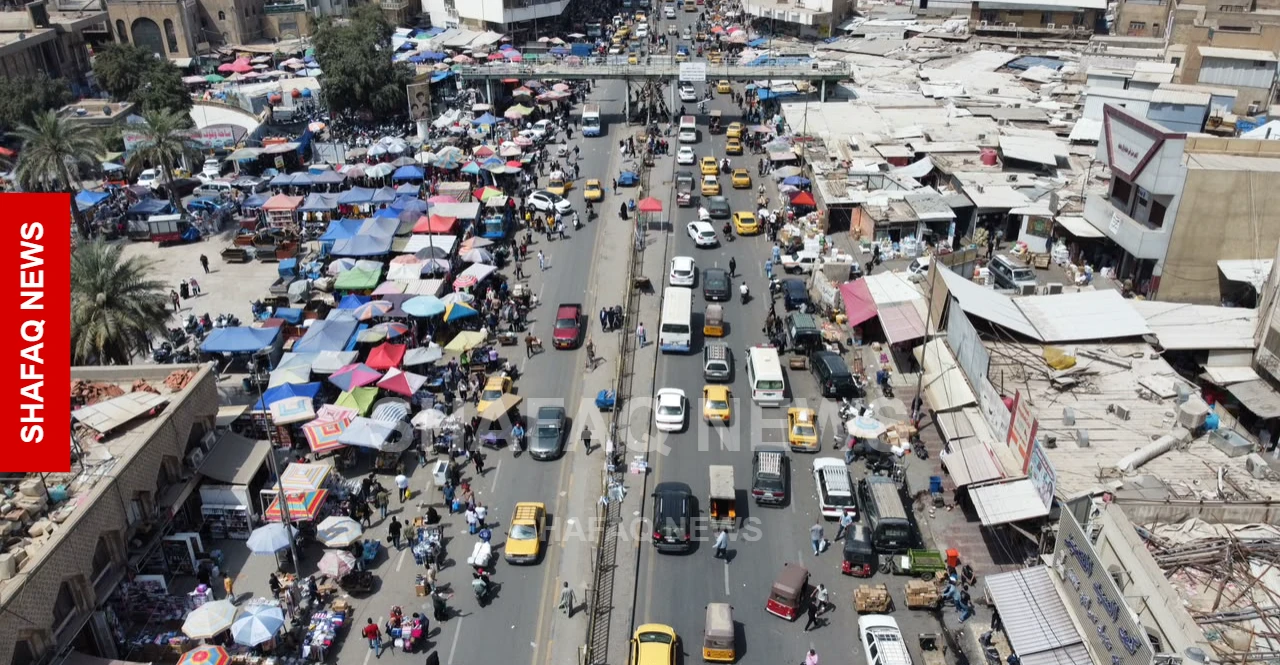
Rising dollar prices on the parallel market had increased the cost of food, fruit, vegetables, medicines, and other essentials, placing particular pressure on people who rely on daily earnings, Al-Sadkhan said. She urged the government to control the parallel exchange rate and called on the Trade Ministry to issue regulations setting prices for food, fruit, and vegetables, which “rose sharply.”
Following the October 7 adjustment, some Baghdad merchants raised prices immediately, while others suspended sales pending greater clarity about exchange-rate movements. To ease the pressure, the government reopened imports of potatoes, tomatoes, and onions on October 14 and suspended customs duties and taxes on several food imports, including eggs, chicken, and livestock intended for meat production. The Cabinet also exempted imported food and medicines from customs duties.
Earlier, Shafaq News price checks also showed increases of up to 15.4% for selected food staples following the devaluation.
Prime Minister Ali Al-Zaidi has pledged to stabilize the currency market, curb speculation, and narrow the gap between official and parallel exchange rates, taking full responsibility for the decision to adjust the dinar's value.
1 US dollar = 1520 Iraqi dinars