Iraq’s golden Khareet: The 4,000-year-old healing sweet


Shafaq News – Baghdad
In Iraq’s southern marshes, a golden sweet known as khareet has been crafted for nearly 4,000 years. Today, it remains both a cultural tradition and a seasonal livelihood, sustaining families through spring and summer sales in local markets.
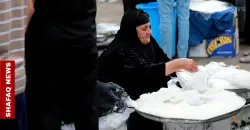
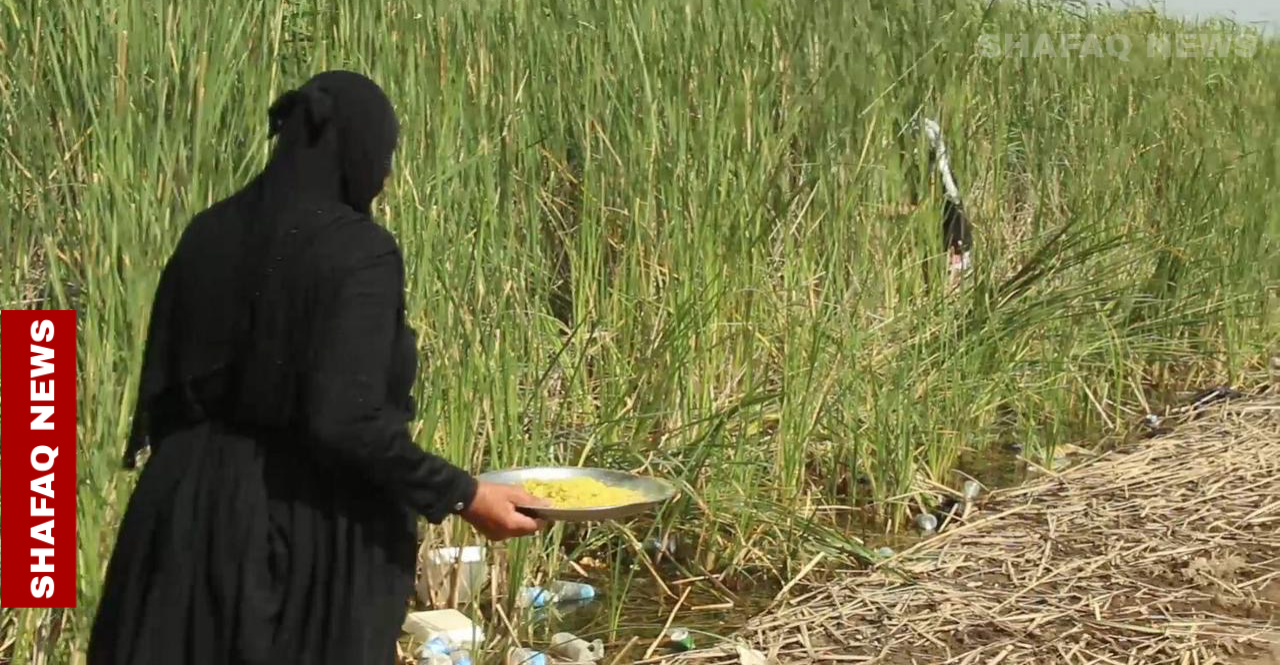
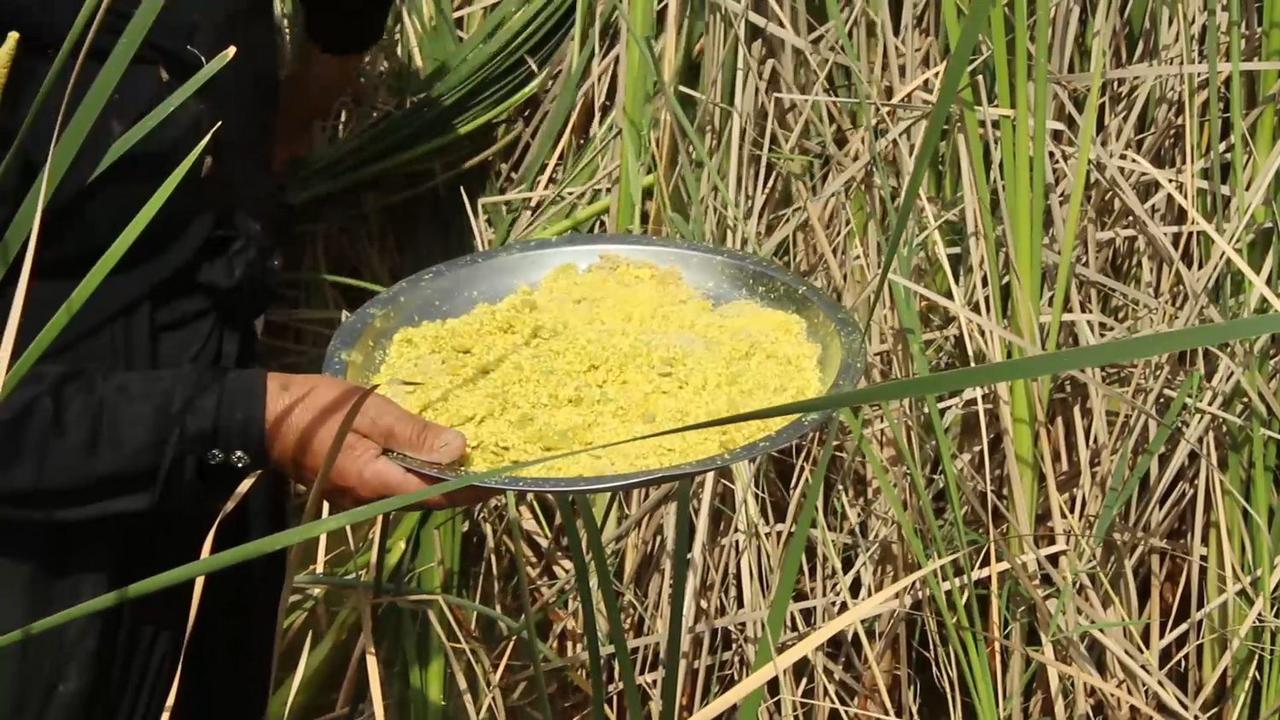
Made from papyrus plants that thrive in marsh waters, khareet takes its name from khart, the process of extracting a delicate yellow substance resembling flour from the stalk. The material is dried under the sun, filtered through cloth, boiled, cooled, and cut into small squares ready for consumption.
Speaking to Shafaq News, Ali al-Aqabi, a historian from Maysan’s al-Majar al-Kabir district, described khareet as one of the most distinctive local products in southern Iraq, noting that its unusual name reflects the method of harvesting, a demanding process carried out by workers known as kharrat.
Health value
Nutrition experts emphasize khareet’s many health benefits. It is used to ease stomach and colon ailments, treat inflammation of the throat and lungs, and cleanse the urinary tract. Beekeepers also use it to support weak hives, and it is included in some pharmaceutical preparations.
Food specialist Abdulwahid al-Khafaji described khareet as highly beneficial for digestion and effective against diarrhea and intestinal cramps. He underlined that it also strengthens bones and teeth in children, promotes cardiovascular health, lowers blood pressure, and helps stabilize cholesterol levels.
“There are no health concerns for older people consuming khareet. On the contrary, it carries multiple benefits,” al-Khafaji explained to Shafaq News.
Production declined in the 1990s when Iraq’s marshes were deliberately drained, but returned as water levels rose. Current drought, however, has once again reduced supply and driven up prices.
Read more: From clay tablets to modern tables: Iraq's timeless cuisine
Prices and shortages
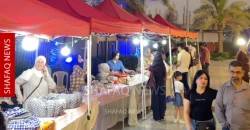
During its season, a kilogram of khareet sells for about 50,000 dinars (around $38). Afterward, scarcity pushed the price to 100,000 dinars (about $76).
In Dhi Qar province, Fatima Daeer from the Chibayish marshes recalled how her community in Shan Halab abandoned the craft when drought forced families to leave. “During the season we produced between 40 and 100 kilograms,” she explained, noting that the sales provided valuable income alongside farming and livestock.
Meanwhile, Khaldoon al-Ghuzzi, a seller in Dhi Qar, highlighted that khareet had long been his main source of livelihood, but water shortages made harvesting and production more difficult. He has since added other sweets, such as sesame bars and halawa dhihniya, to sustain his business.
Despite younger generations preferring ice cream and modern sweets, he observed steady demand for khareet because of its health value.
Southern Iraq’s drought has disrupted many local industries, from reed crafts to khareet, forcing imports of the sweet from neighboring countries. Specialists maintain that its flavor remains distinct, with the Iraqi-made version tied to the heritage and memory of the marshlands.