Iraq receives 35% of water share as Turkiye dams cut flows


Shafaq News – Baghdad / Ankara
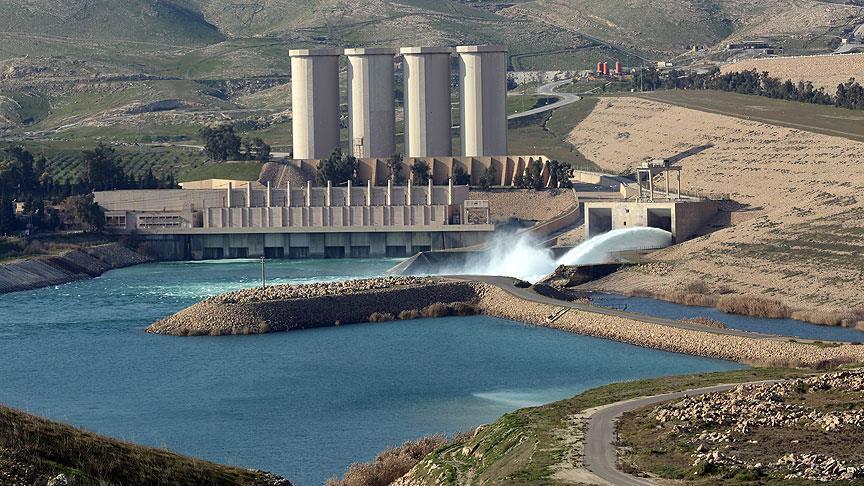
Iraq is receiving only a fraction of its rightful water share, while reservoirs in Turkiye now hold nearly 80 billion cubic meters—eight times the storage capacity of Mosul Dam—according to the Green Iraq Observatory.
In a statement on Thursday, the environmental watchdog explained that Turkiye has built about 20 dams on the Tigris and Euphrates rivers over the past four decades, drastically cutting Iraq’s inflows. As a result, Iraq now secures just 35% of its entitlement, with 200 cubic meters per second on the Tigris, far short of the 450 it requires, and 151 cubic meters per second on the Euphrates against a need of 350.
The observatory denounced domestic violations, including unauthorized diversions by provinces and districts it described as “tantamount to seizing others’ rights.” Additional pressures stem from untreated waste dumped directly into the rivers—much of it by government institutions—and from construction along riverbanks that obstructs water flow and hampers maintenance.
Fish farms were also highlighted as a major strain, with their number surging to 20,000 after the 2019 floods, though a national campaign has since dismantled 11,000. “The farms continue to deplete Iraq’s water, increase evaporation, and spread pollutants that authorities cannot fully control,” it noted.
With over 70% of its water flowing from Turkiye, Iran, and Syria, Iraq has become highly vulnerable to external control of its resources. The Euphrates has already lost over 60 percent of its flow in the past two decades, while the shrinking Tigris now threatens agriculture, electricity production, and access to drinking water.
While water experts warn that Iraq could face a disaster in early November if shortages persist and rains fail to arrive, Turkiye announced a partial increase in July, raising Tigris flows to 420 cubic meters per second. Analysts, however, stress that Iraq needs at least 800 cubic meters per second, holding Ankara ‘fully responsible’ for the shortage.