Iraq pushes preservation of two ancient Mesopotamian landmarks


Shafaq News- Baghdad/ Dhi Qar
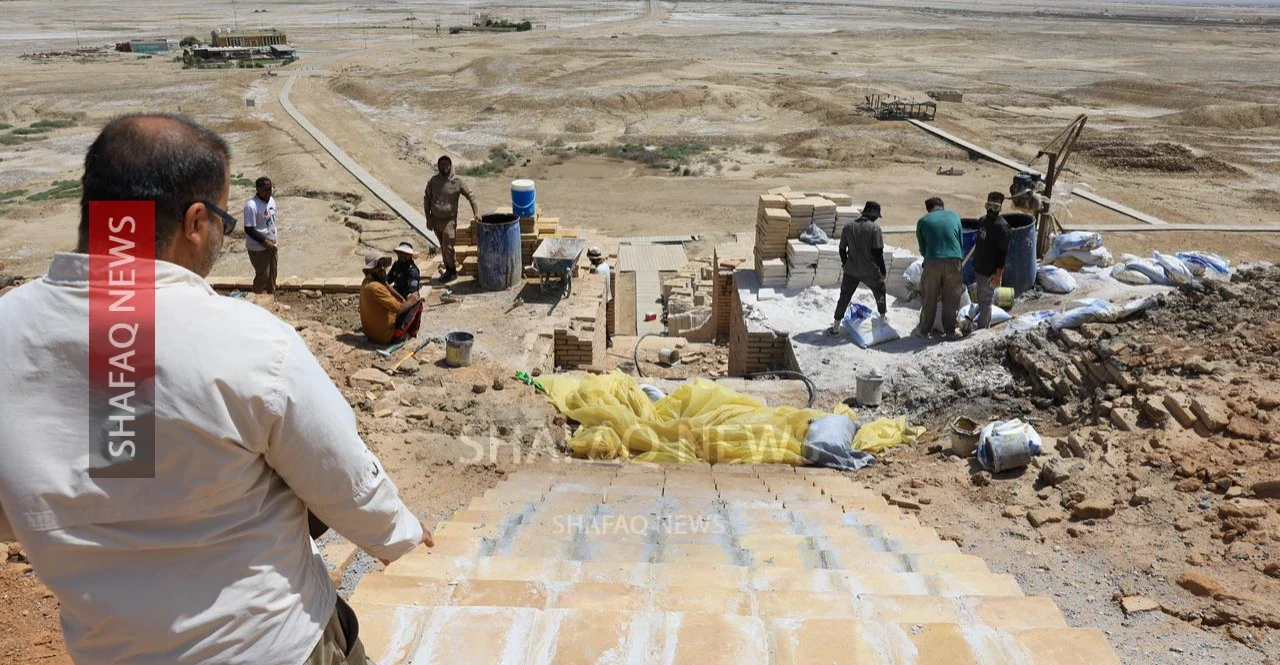
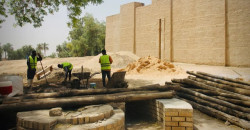
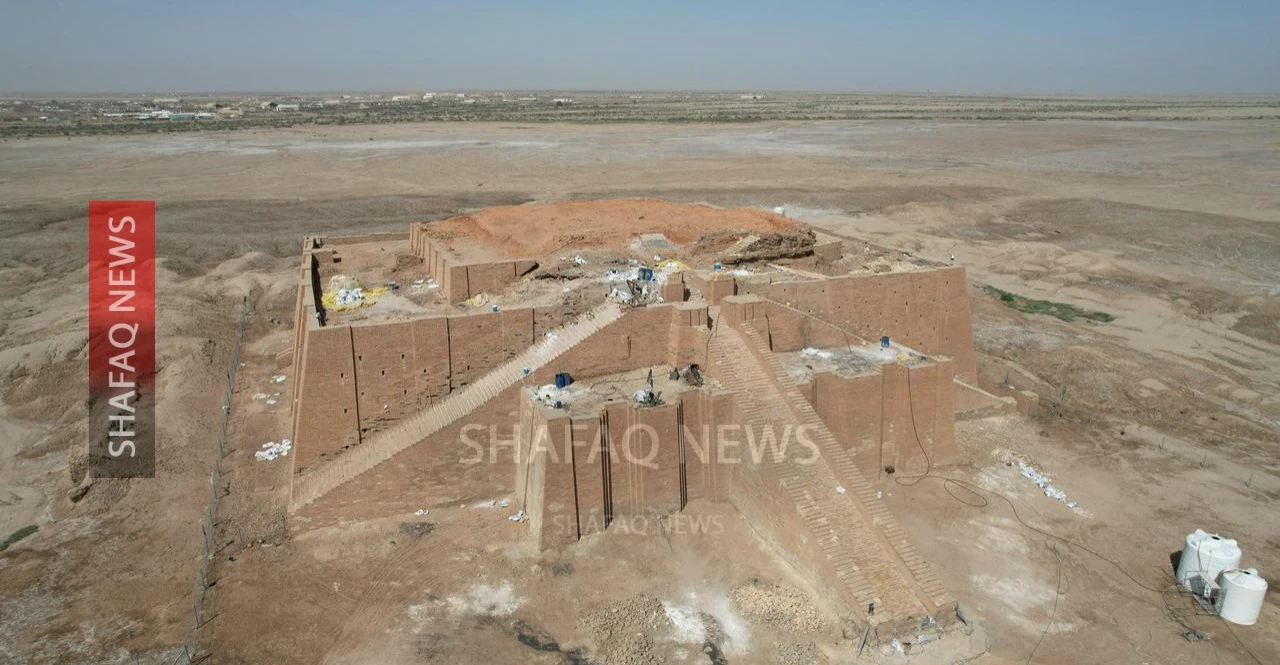
Iraqi antiquities authorities advanced an Italian-supported preservation effort at the historic Taq Kasra site in Baghdad, while restoration work continued at the ancient Ur Ziggurat in Dhi Qar.
Ali Basim, Director of Baghdad
Antiquities and Heritage, told Shafaq News on Wednesday that a specialized
Iraqi team of engineers and archaeologists visited Taq Kasra to review an
Italian proposal aimed at treating structural cracks and preserving the landmark
in line with international conservation standards.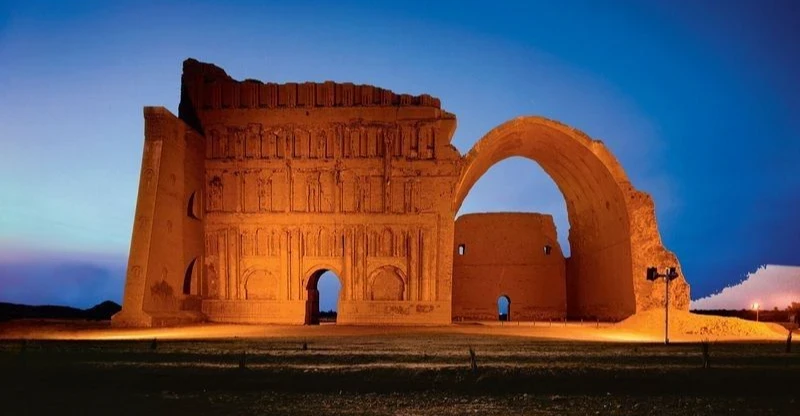
Basim noted increasing numbers of
Iraqi and foreign tourists visiting the site, also known as the Arch of
Ctesiphon. Located in the ancient city of al-Madain, the structure dates back
to the Sasanian era during the reign of King Khosrow I Anushirvan in the sixth
century AD. The monument formed part of a royal palace complex in the Sasanian
capital and remains the largest surviving brick arch from antiquity, standing
about 37 meters high and nearly 50 meters deep.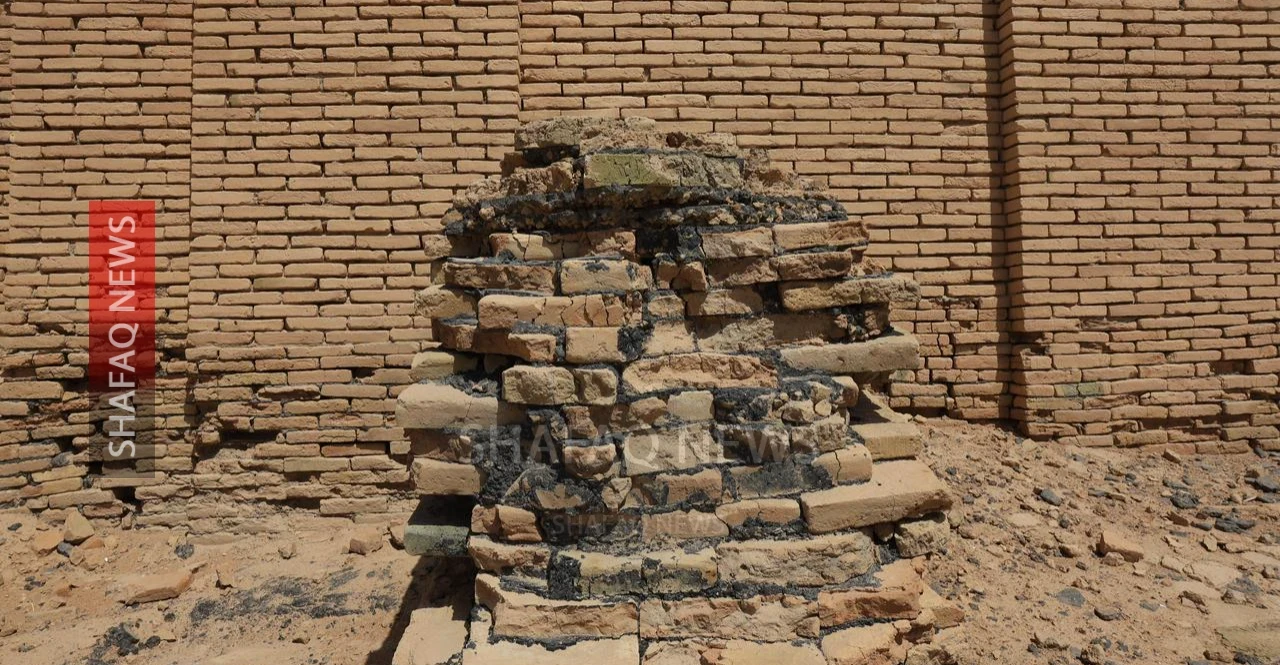
In Dhi Qar, Kazem Hassoun,
supervisor of the Ur restoration project, said Iraq’s State Board of
Antiquities and Heritage, in cooperation with the provincial Antiquities
Inspectorate, is carrying out the seventh major restoration campaign at the
ziggurat since its construction under the Third Dynasty of Ur around 2112 BC.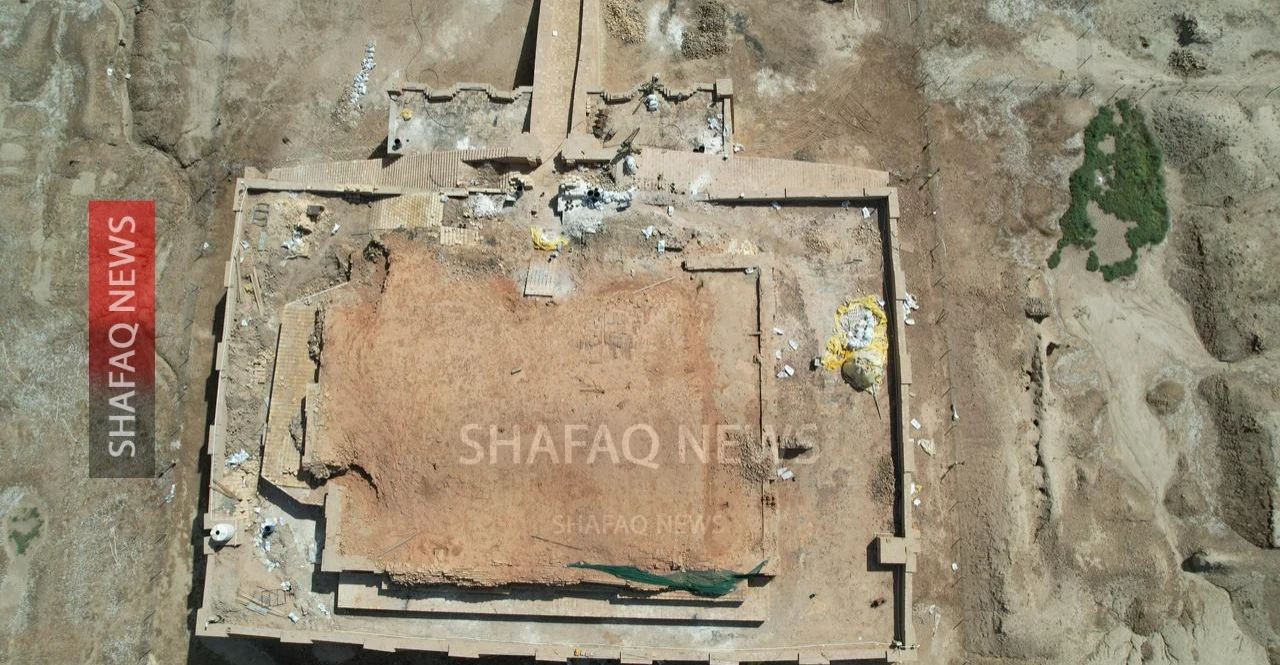
The current phase includes
restoration of the first level and its three main staircases, repairs to cracks
in the second level, and reconstruction work on the third level based on
available archaeological evidence, with the site expected to reopen in July
2026.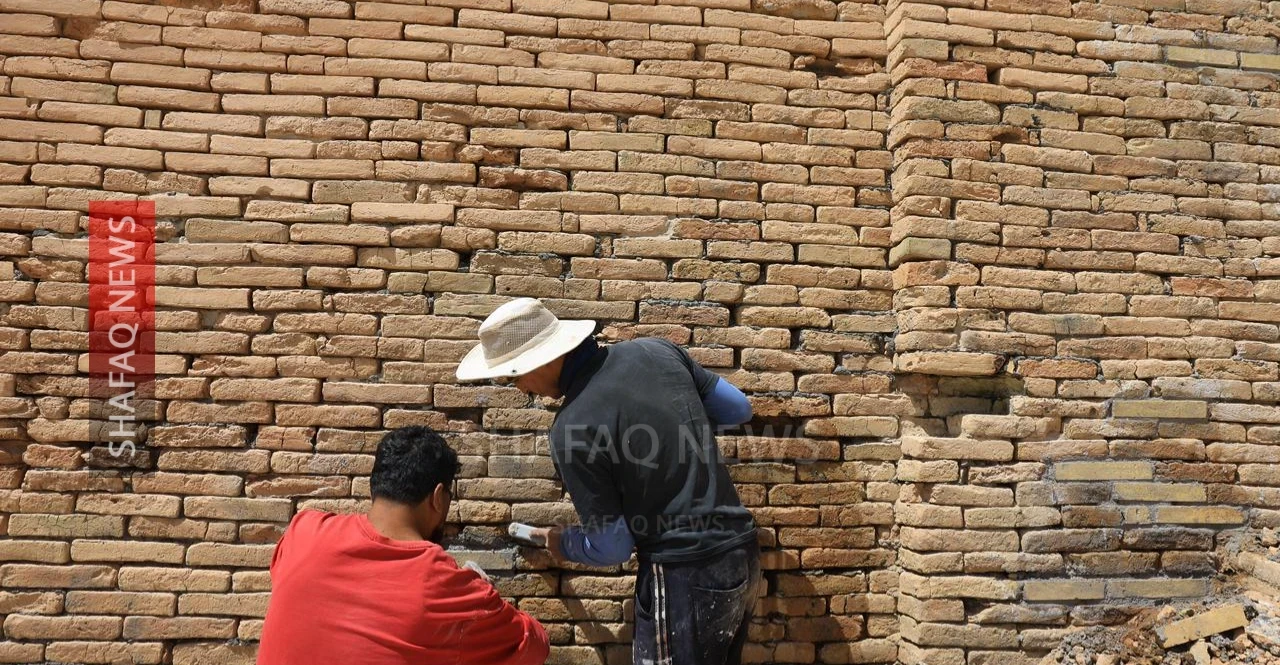
Built by King Ur-Nammu around 2100
BC, the Ur Ziggurat is considered among the world’s earliest examples of
stepped monumental architecture, predating the Egyptian pyramids. The structure
originally consisted of three levels and three staircases, each containing 100
steps, though only the first level and parts of the second remain today after
centuries of erosion.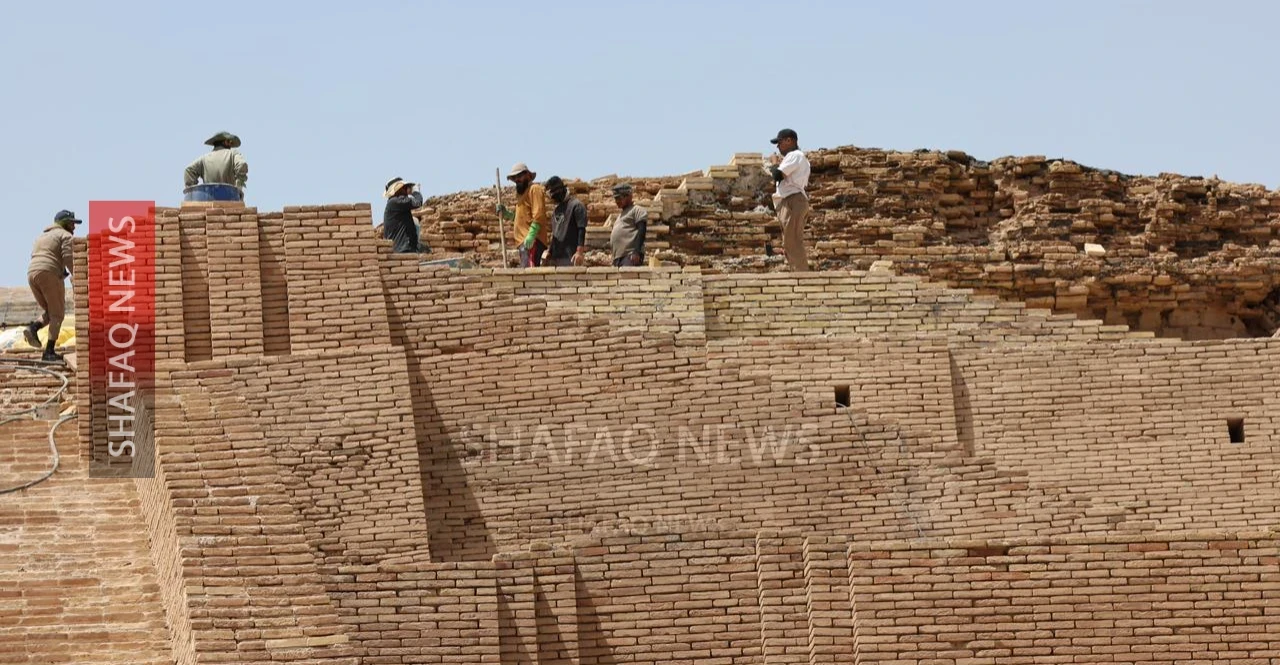
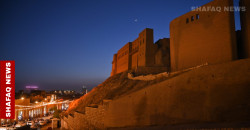
As of 2025, Iraq, often described as the heartland of Mesopotamia, ranked ninth among Arab countries for the number of UNESCO World Heritage sites, with five cultural sites and one mixed cultural-natural site, including Hatra, Ashur (Qalaat Sharqat), Samarra Archaeological City, Erbil Citadel, and the Ahwar of Southern Iraq, also known as the Mesopotamian Marshes.
Read more: From Babylon to Erbil: Iraq’s UNESCO sites and those next in line